

I took a road trip to Auburn, IN, in search of the museums that are there to experience some of the history that Indiana holds in the birth and growth of the American automobile industry.
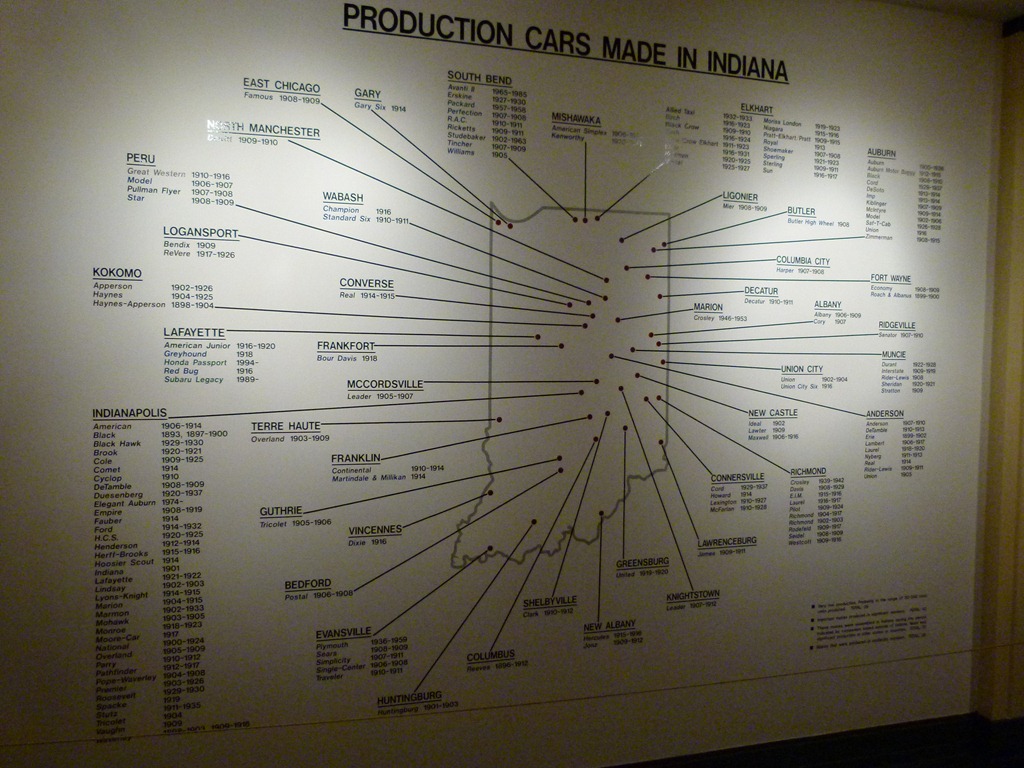
Hundreds of automobile manufacturers have called Indiana home for their factories. The great Indianapolis Motor Speedway was created originally as a test track to support the many car manufacturers. While Michigan is often thought of as the heart of the American automobile industry Indiana just might be the original center.
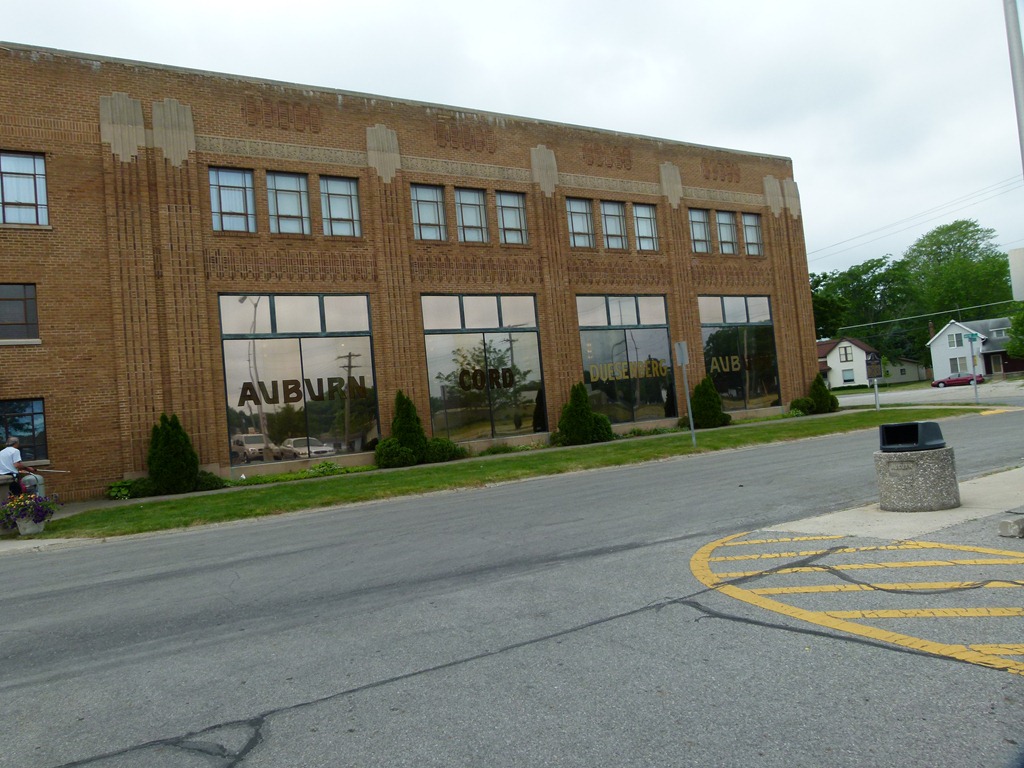
Auburn has several museums oriented toward the automobile and perhaps the most prominent of them is the Auburn, Cord, and Deusenberg museum. At the site of the original factory is a collection that will provide you with a true sense of awe.
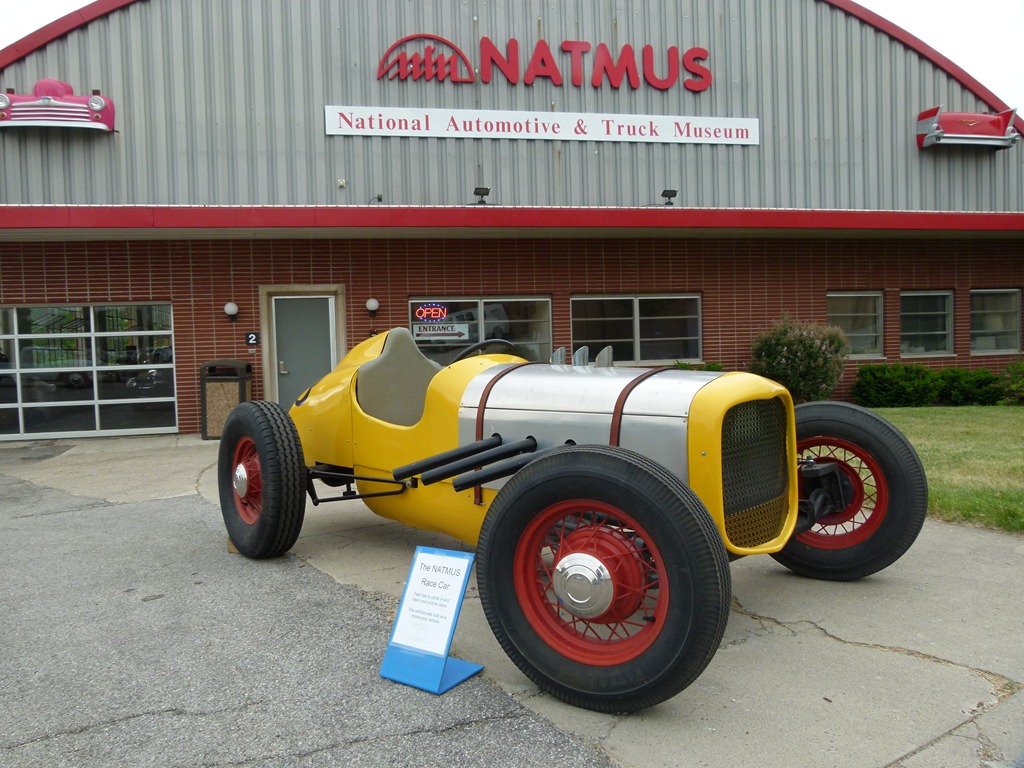
Right next door to it is the National Automotive and Truck Museum.
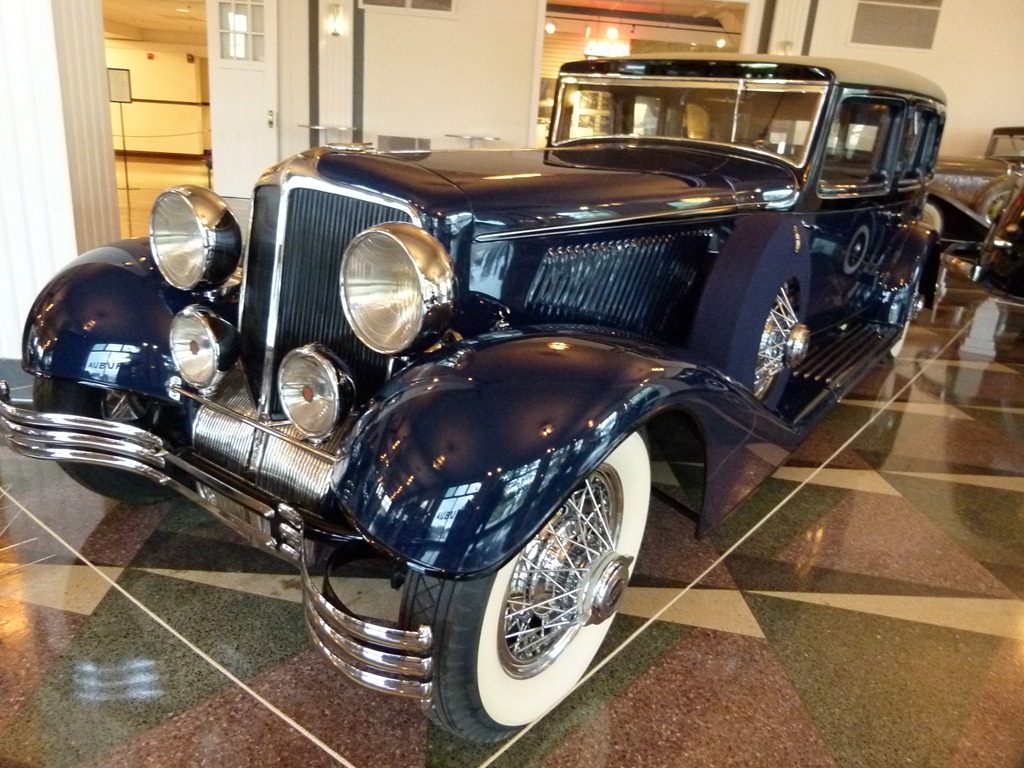
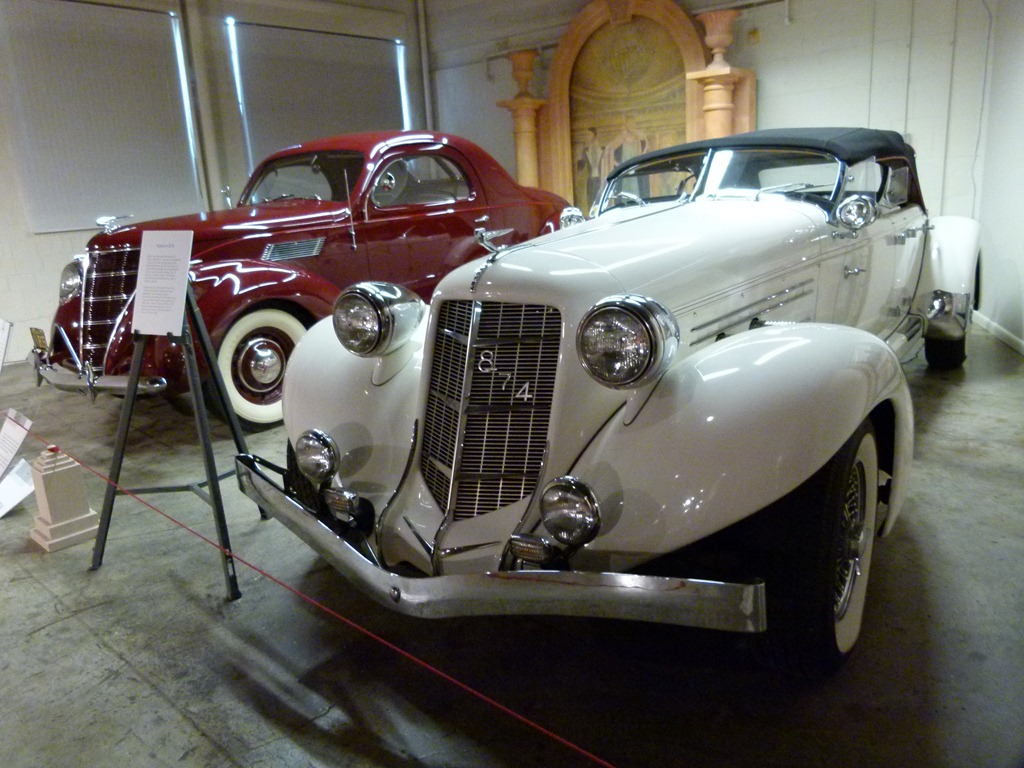
Upon entering the Auburn, Cord, and Duesenberg museum you are confronted with some stunning examples of automobiles from the era prior to the Great Depression. This was a time when American automobiles lead the world in style and engineering. Where the wealthy and the fortunate would go to satiate their lust for this relatively new mode of transportation.
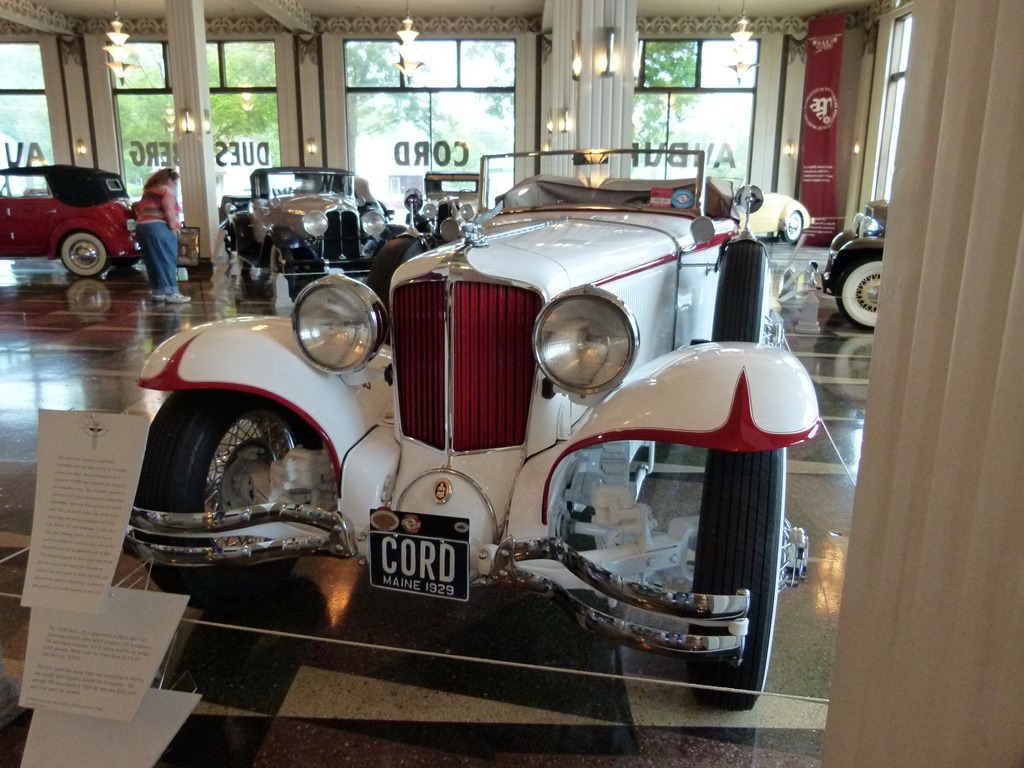
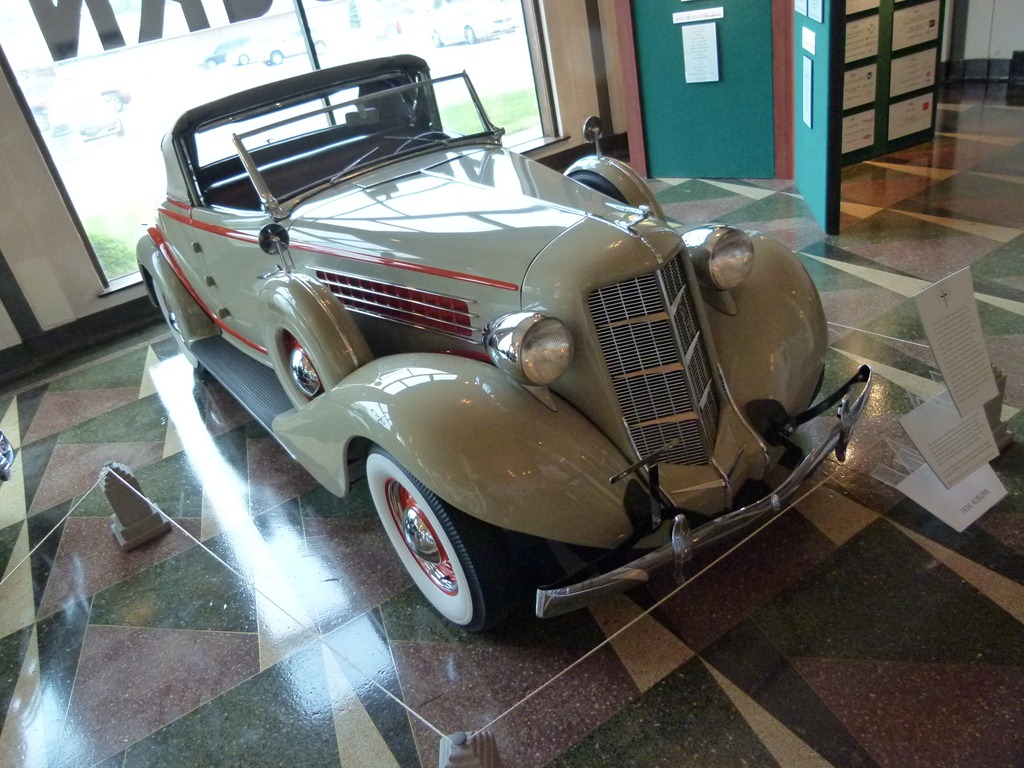
It was a time of new technologies such as front wheel drive and superchargers. When a car company, like Duesenberg, would produce a chassis and running gear and another company would create a custom body.
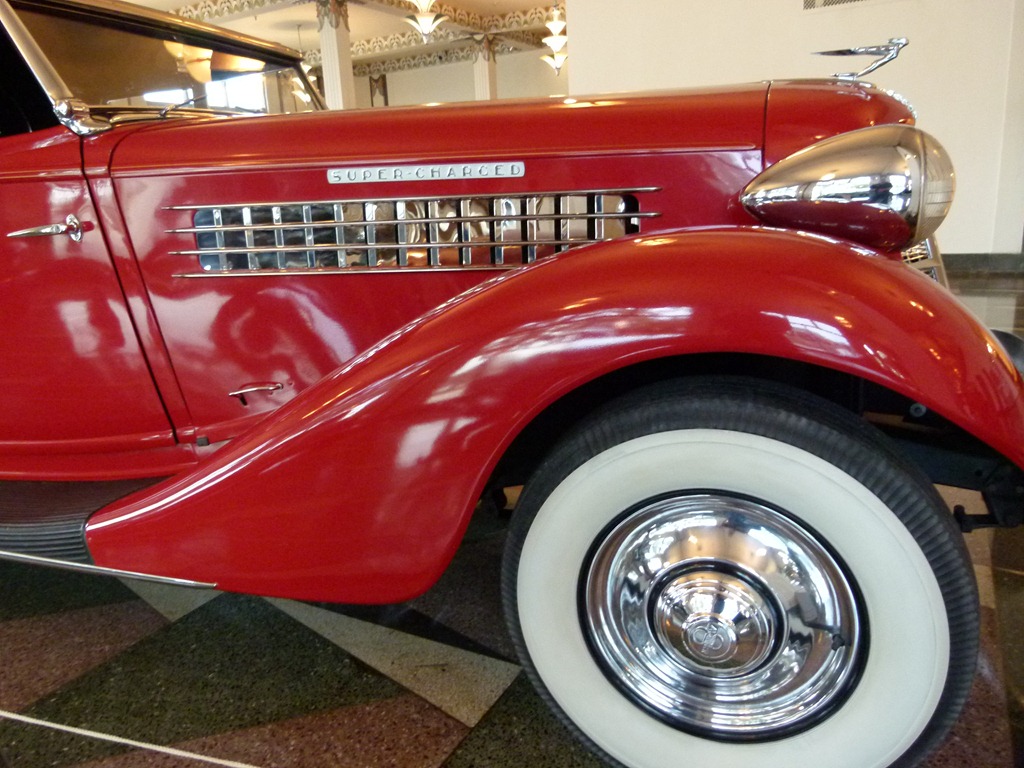
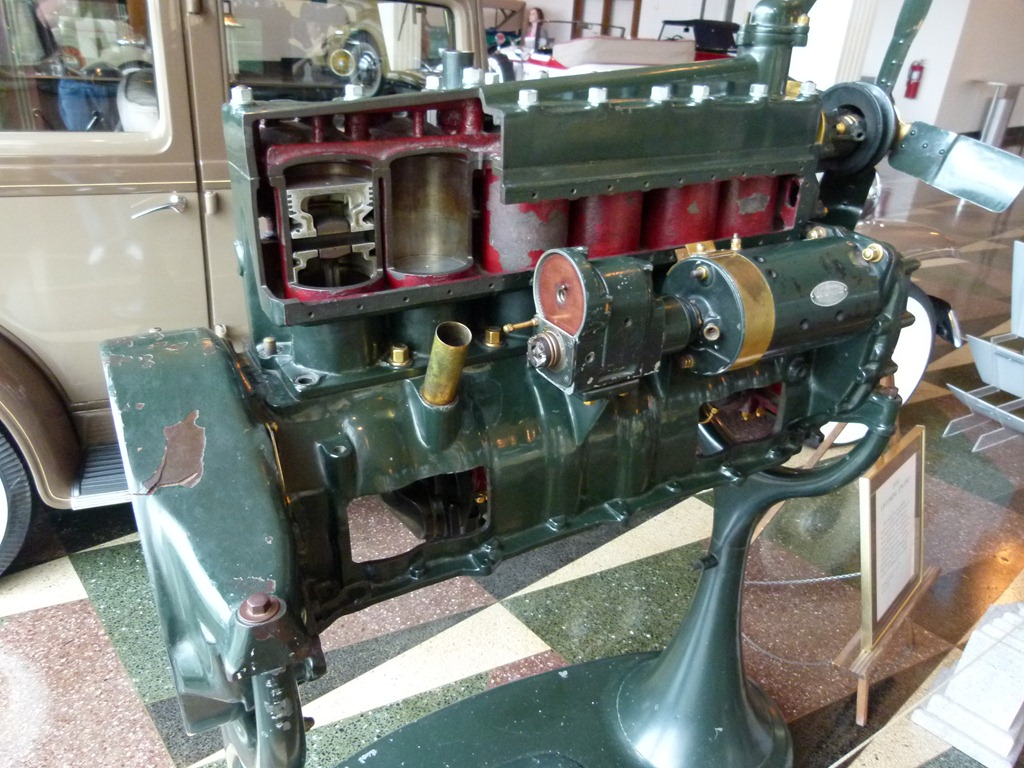
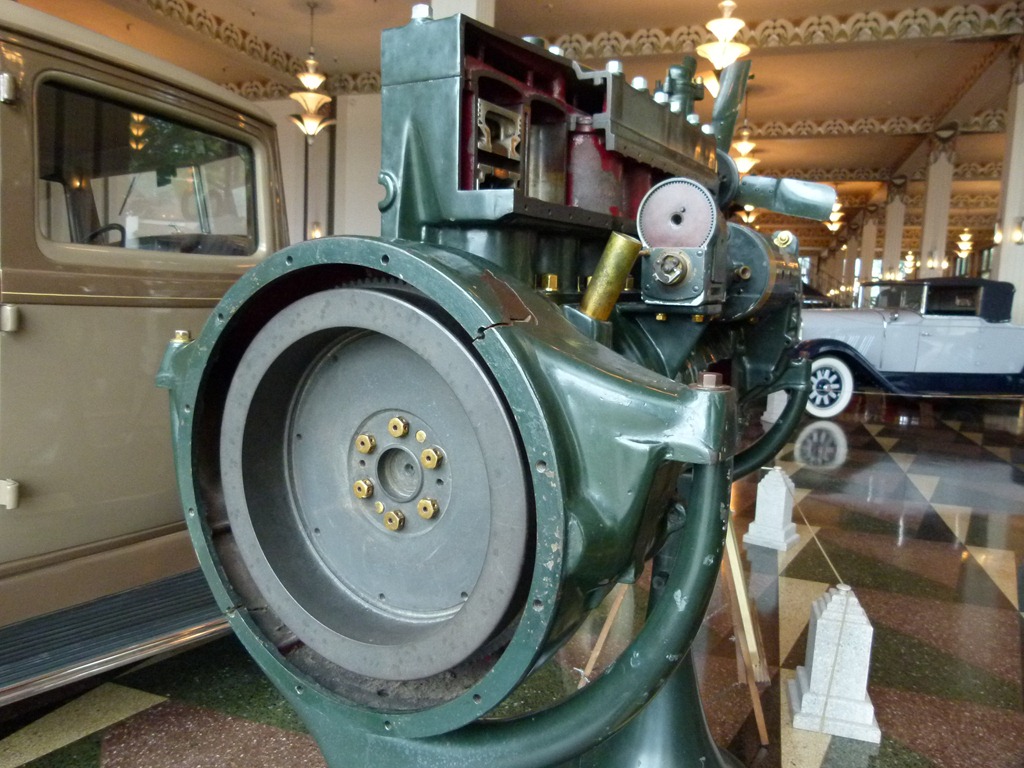
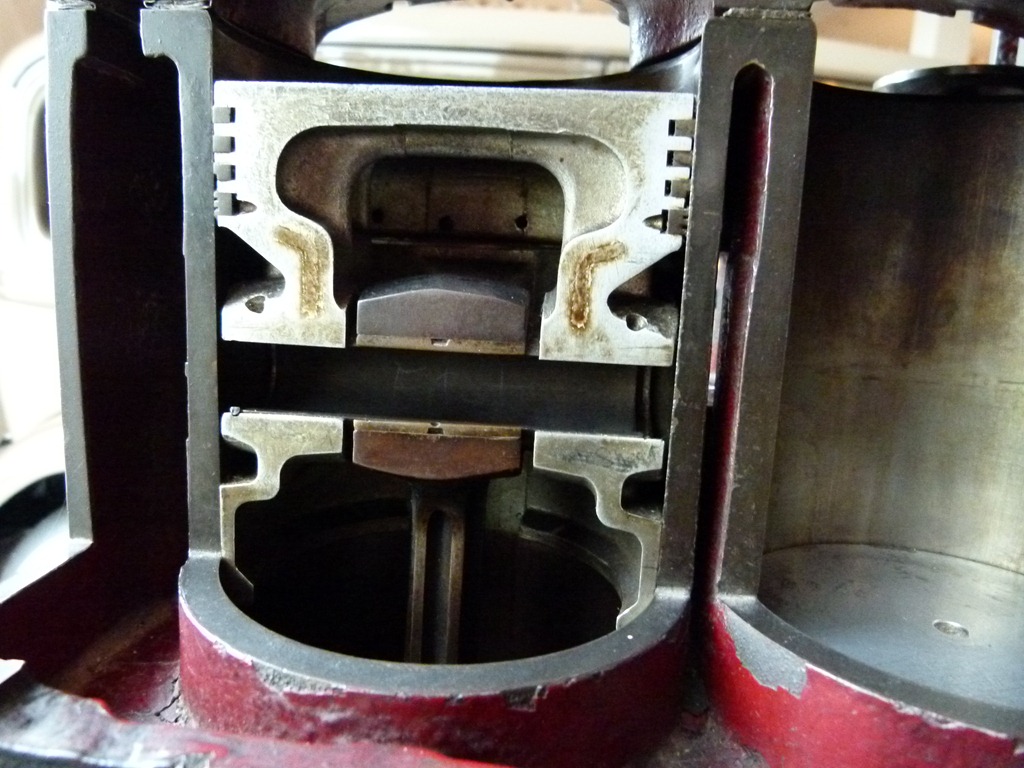
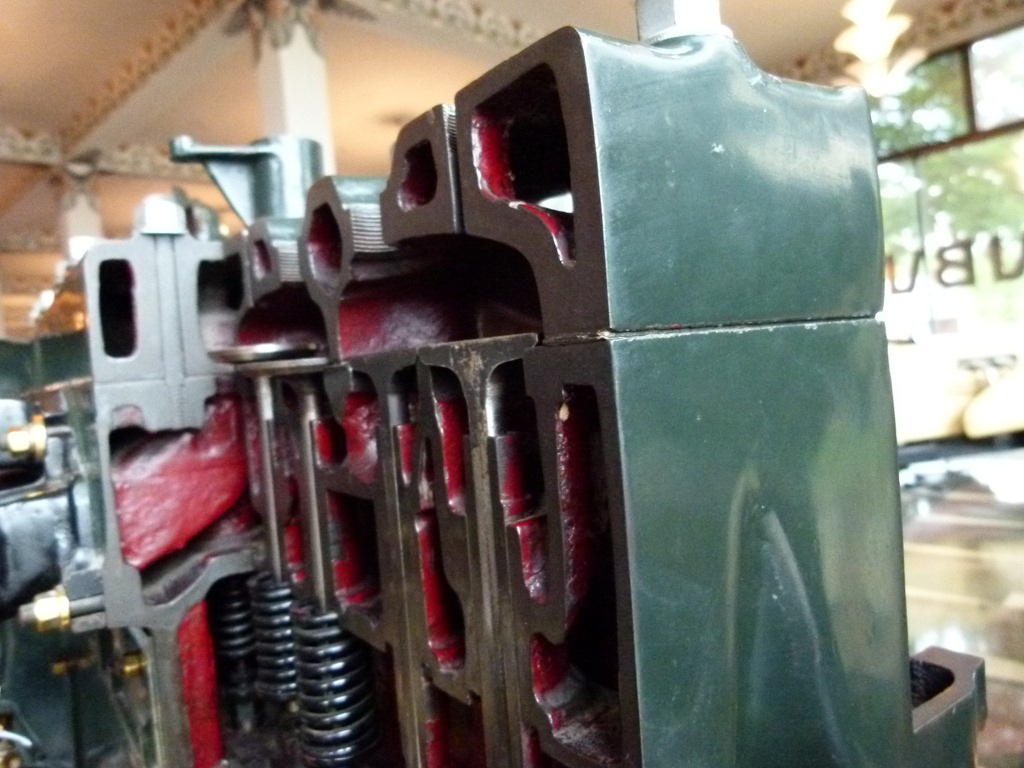
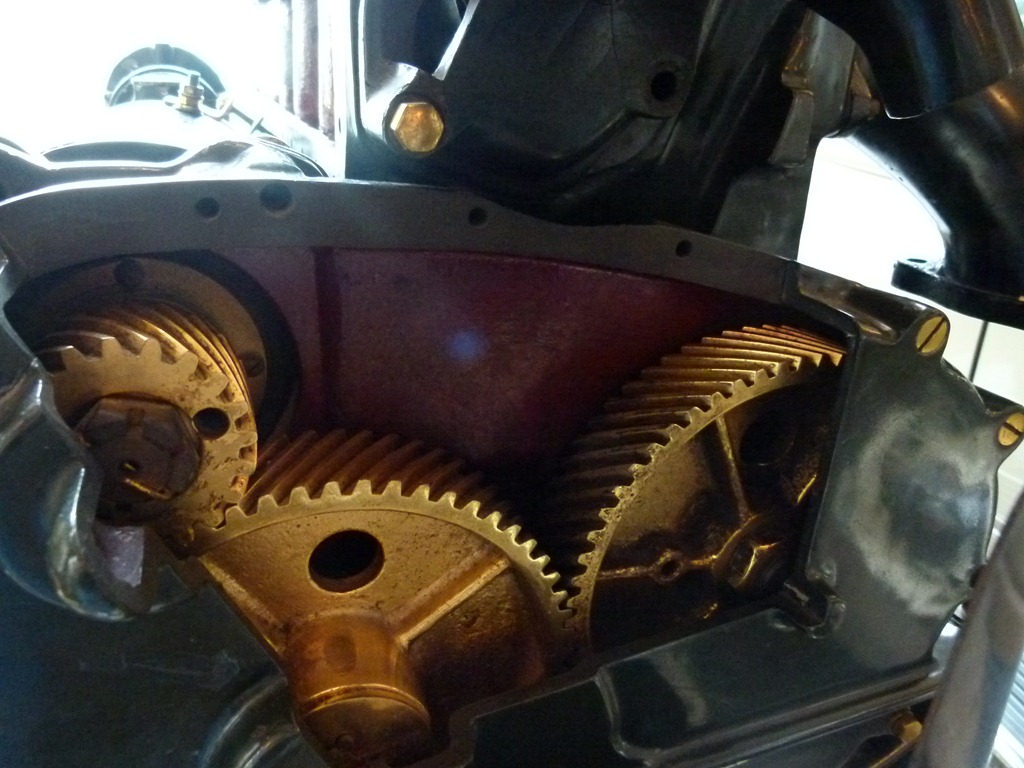
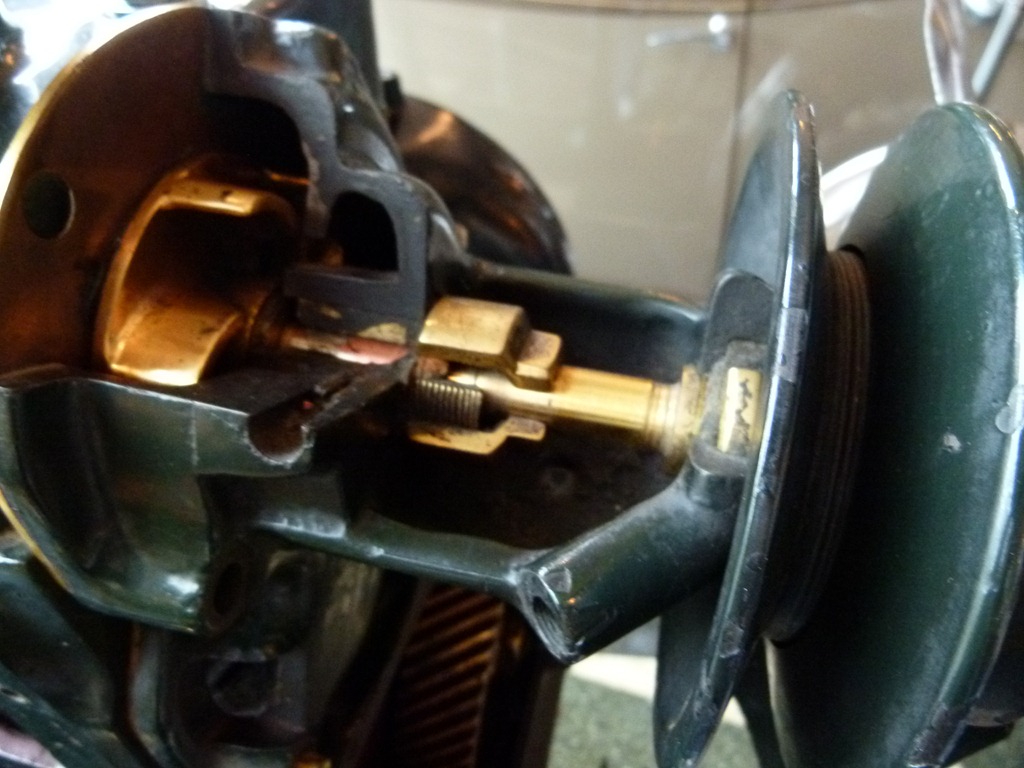
Lycoming made the engines for many of these brands. Here is a cut-a-way block that shows just what engine technology was back then:
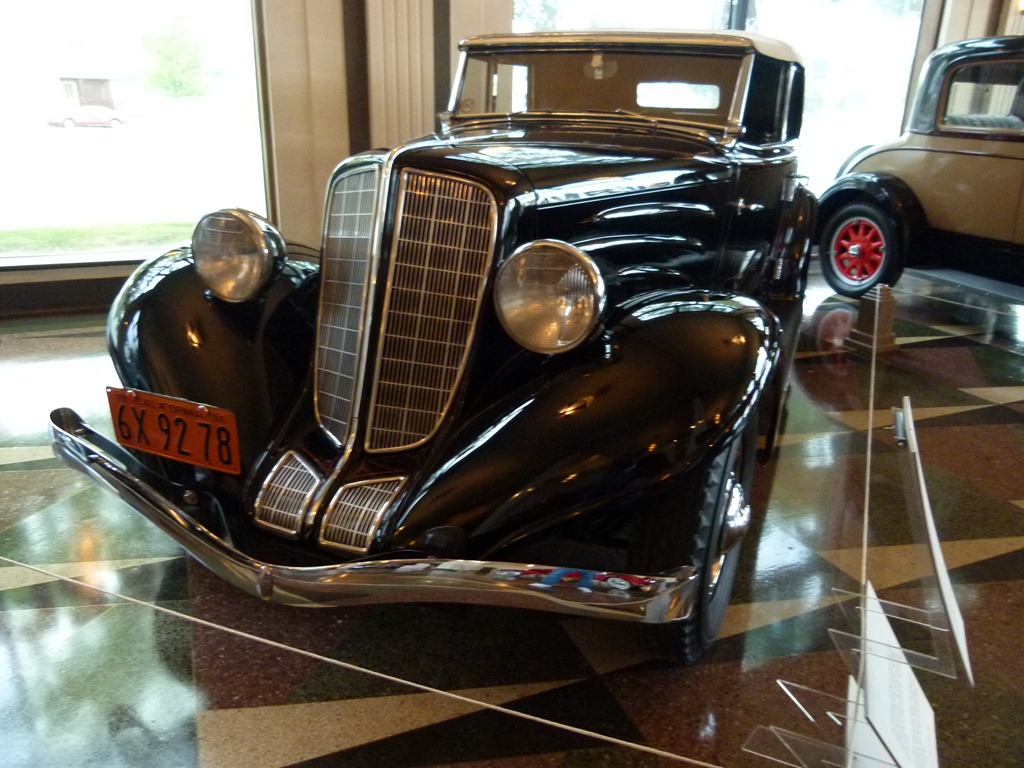
Many of these companies struggled as the US and the rest of the world entered into the Depression Era. They retained a business model that just no longer fit the realities of high unemployment.
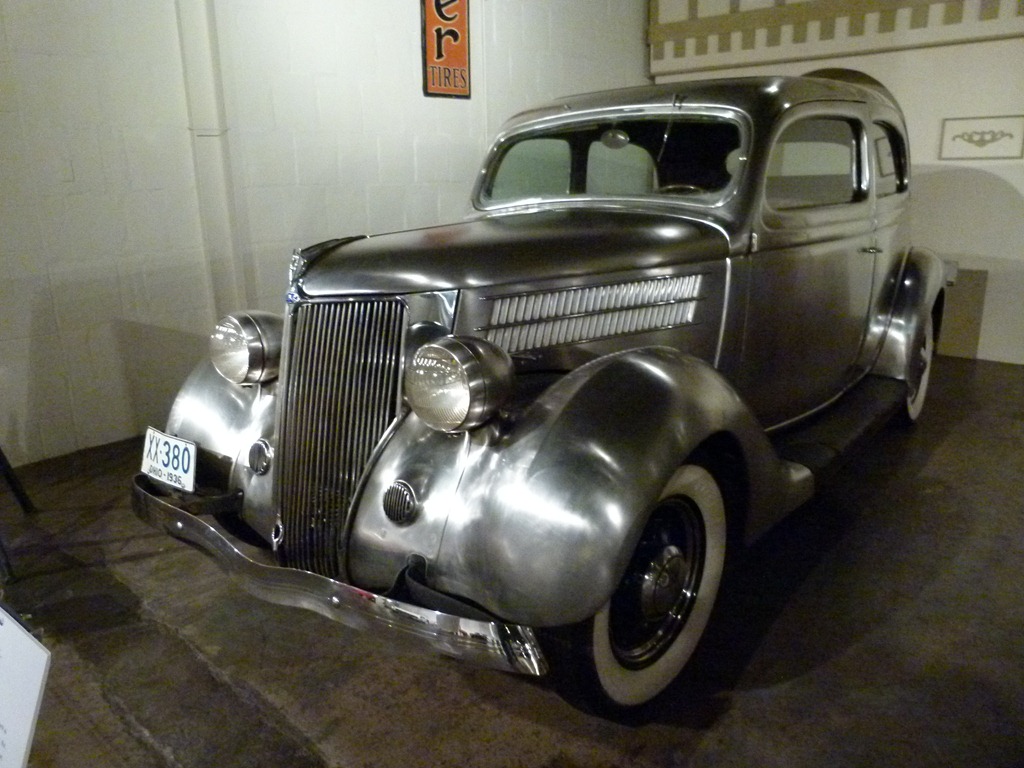
Many of you car aficionados will think of the Deloren when someone mentions stainless steel in the context of cars, but the museum has a display of stainless steel bodied cars dating from 1936.
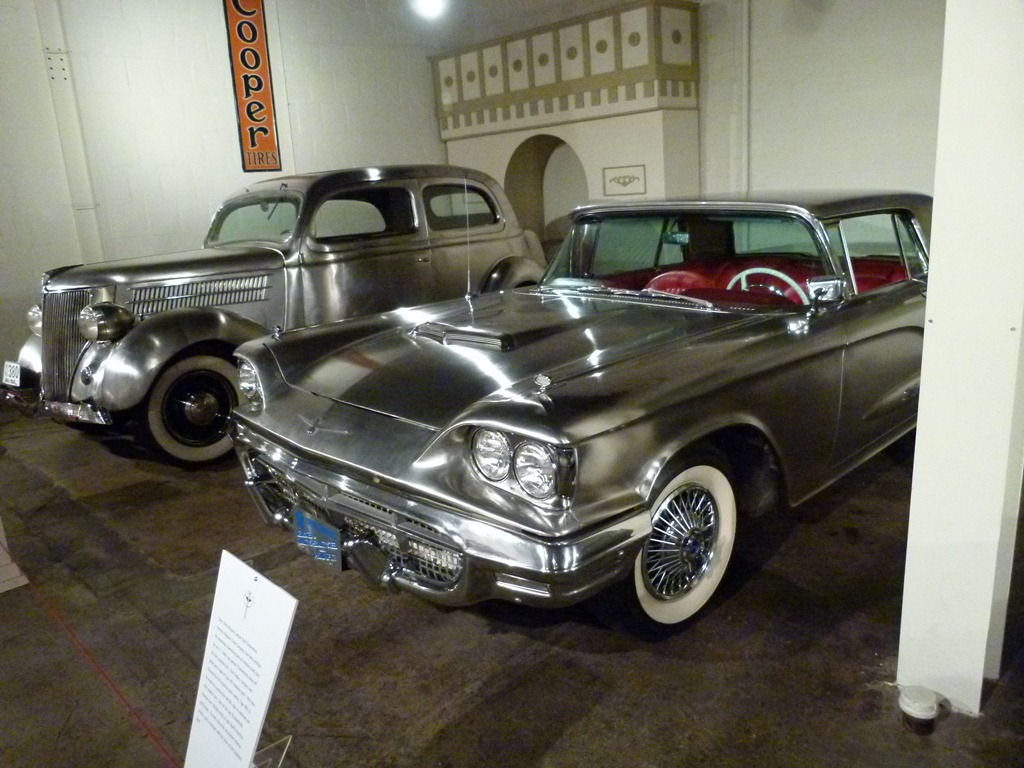
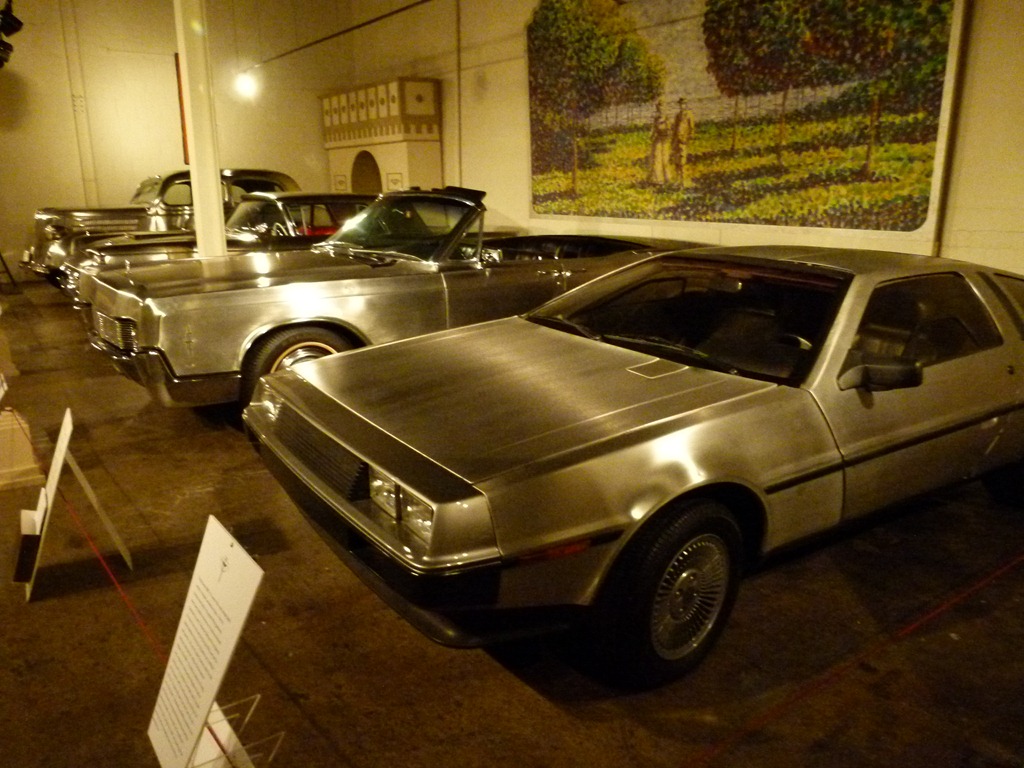
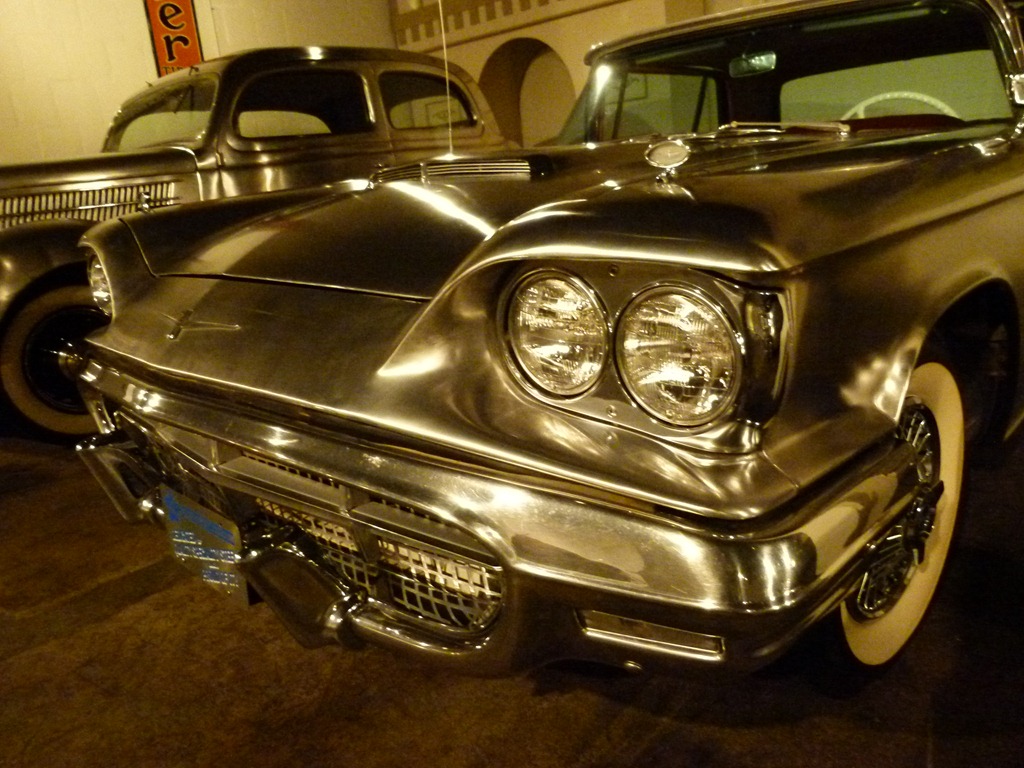
The museum has a beautiful staircase that leads to a second floor of exhibits. The staircase itself is a piece of art:
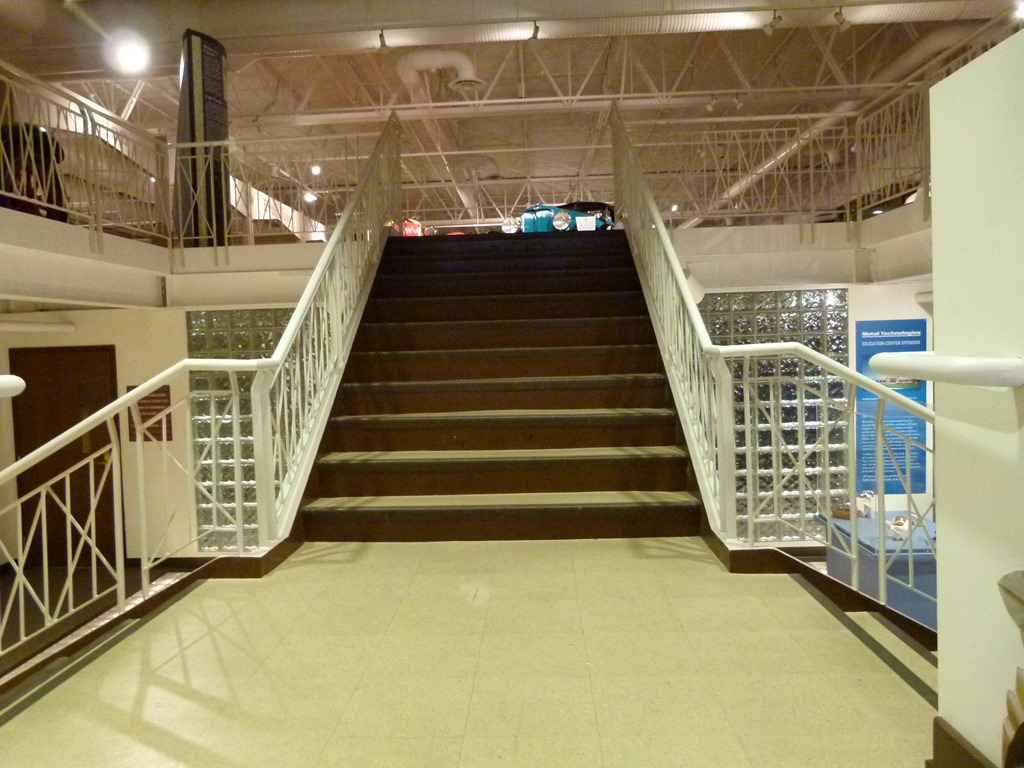
Many of the cars on the second floor are particularly interesting in that you will see design and technology that you might never have imagined out of the early decades of the twentieth century.
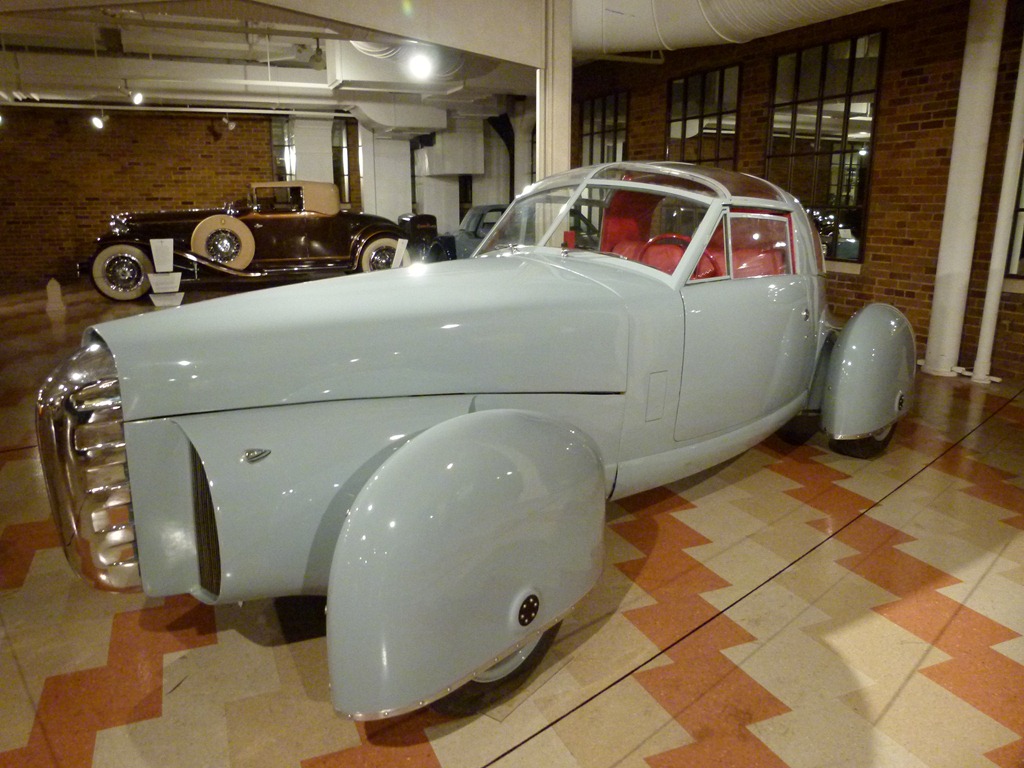
The car above was derived from a 1947 Mercury to compete in the Watkins Glen races in 1948. The consortium was known as TASCO – The American Sports Car Company. The designer, Gordon Buehrig, invented the first t-top for this car. The body is primarily aluminum with the front fenders being fiberglass and the top being plexiglass.
There was an exhibit of the 1929 Auburn Cabin Speedster that was exhibited in the Los Angeles Automobile Show of that year. Along with many other cars it was housed under a huge tent. A spark caught the tent on fire and the Auburn, along with 320 vehicles was destroyed.
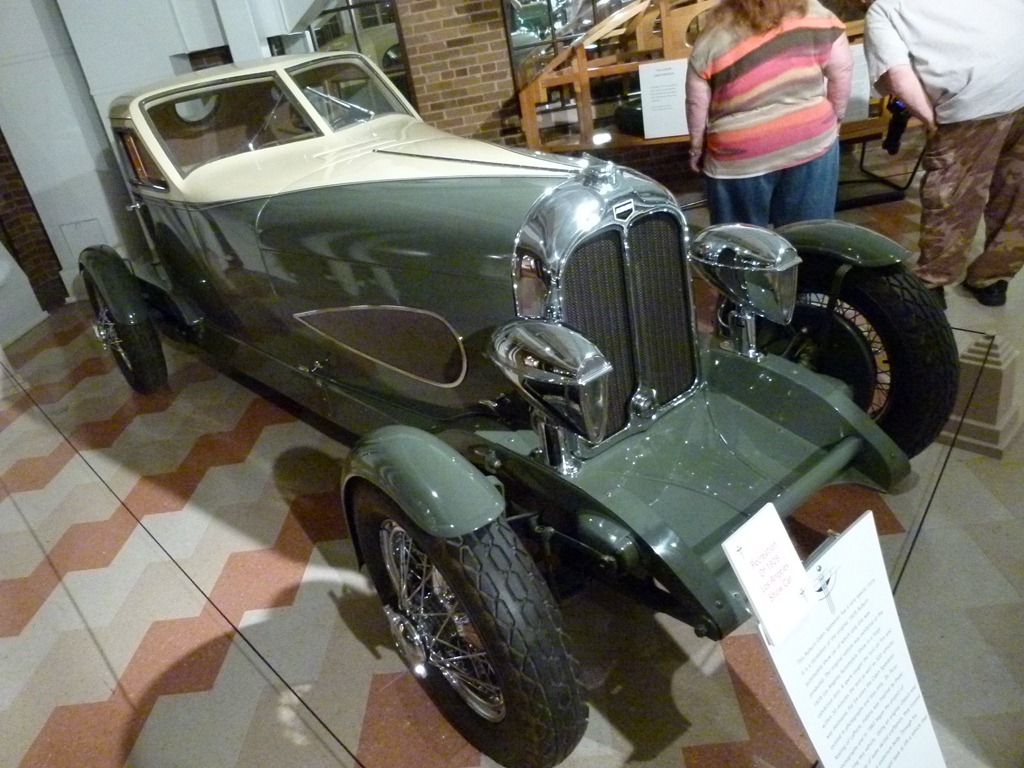
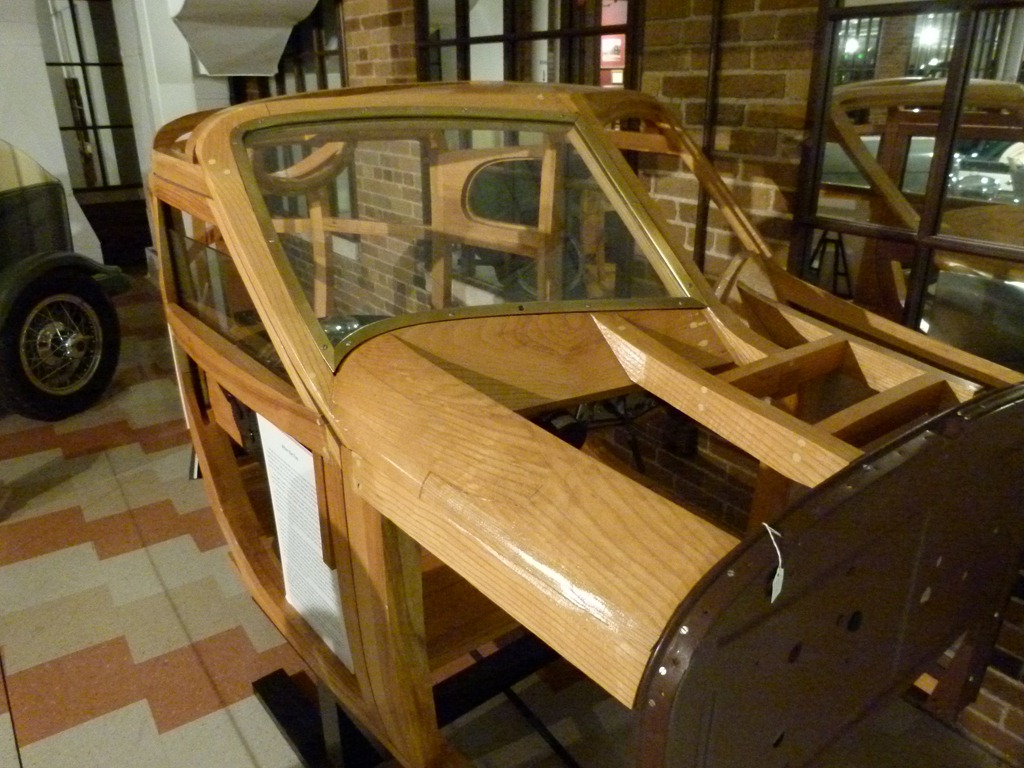
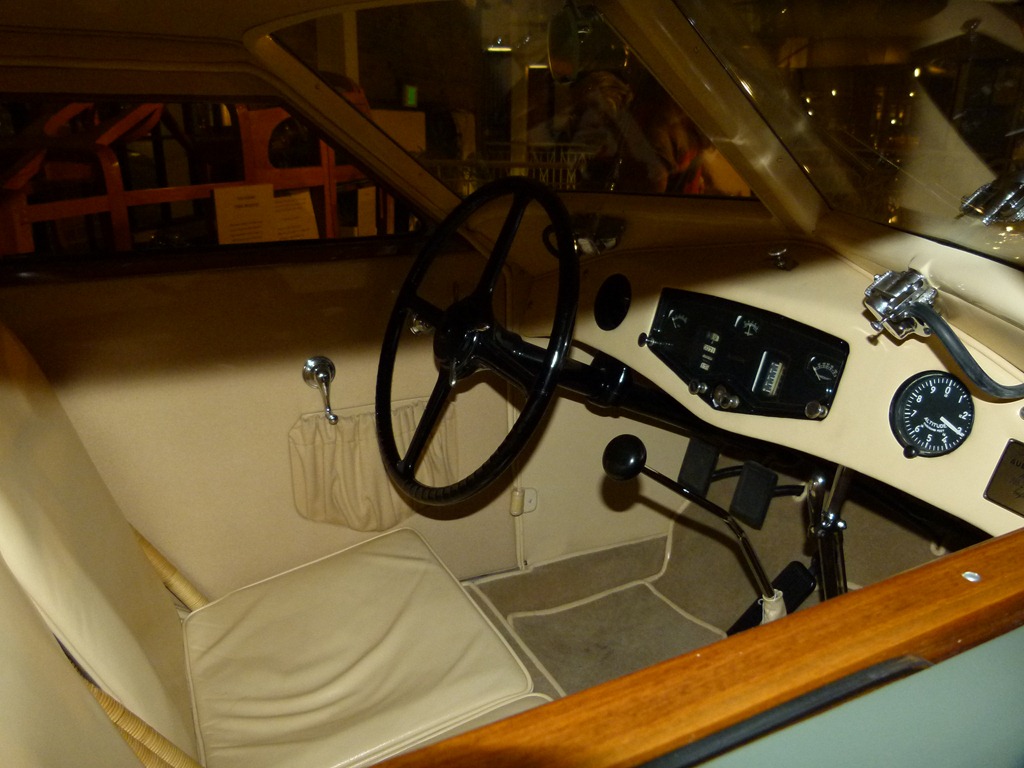
Fifty-four years later an inspired Dr. Peter Kesling began the project of reproducing this vehicle. Skilled craftsmen recreated the ash frame and aluminum body that is displayed in the museum today. It is powered by a straight eight cylinder, 115 horsepower engine.
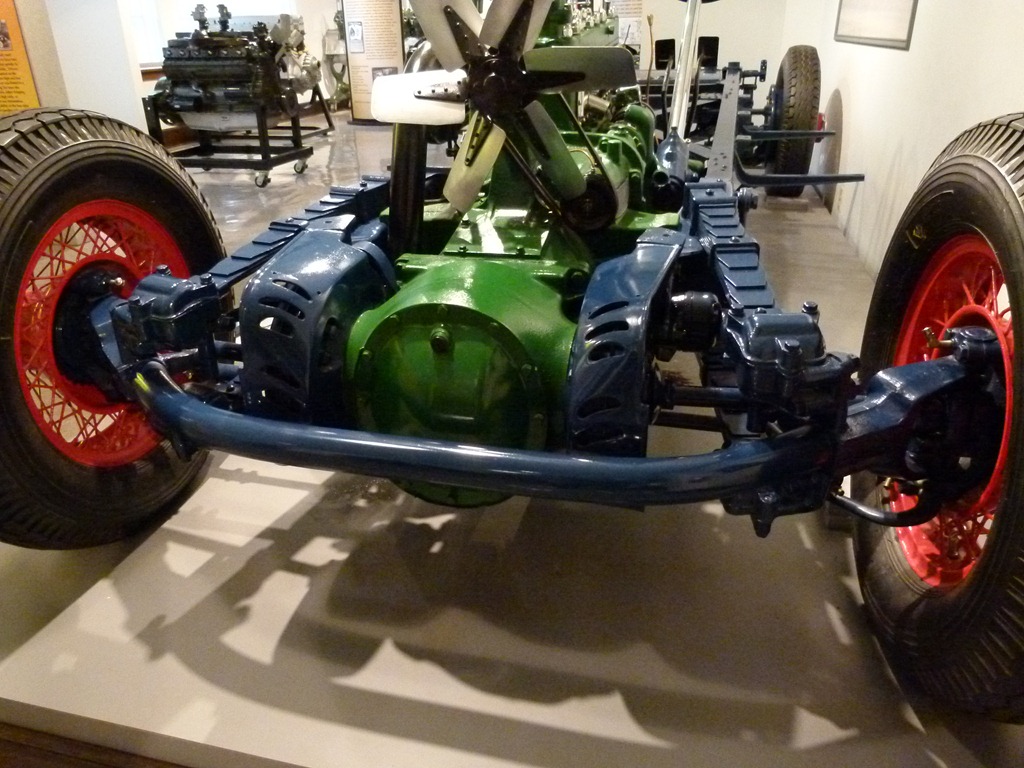
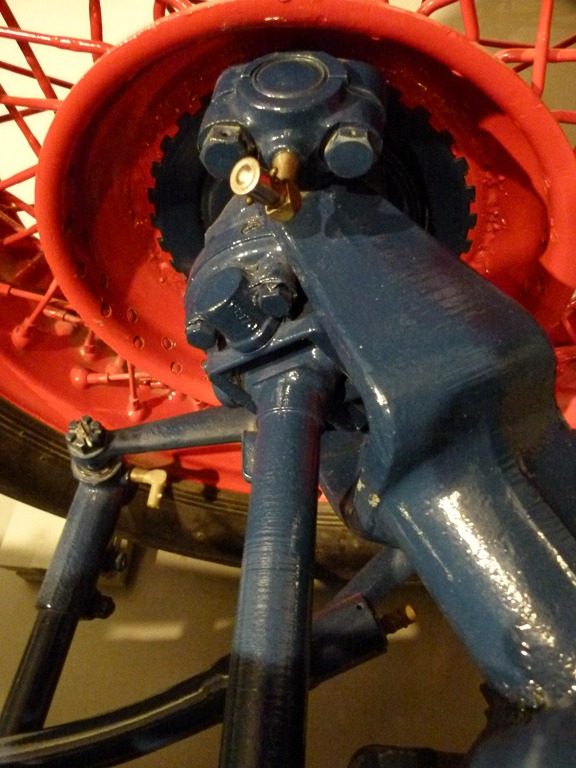
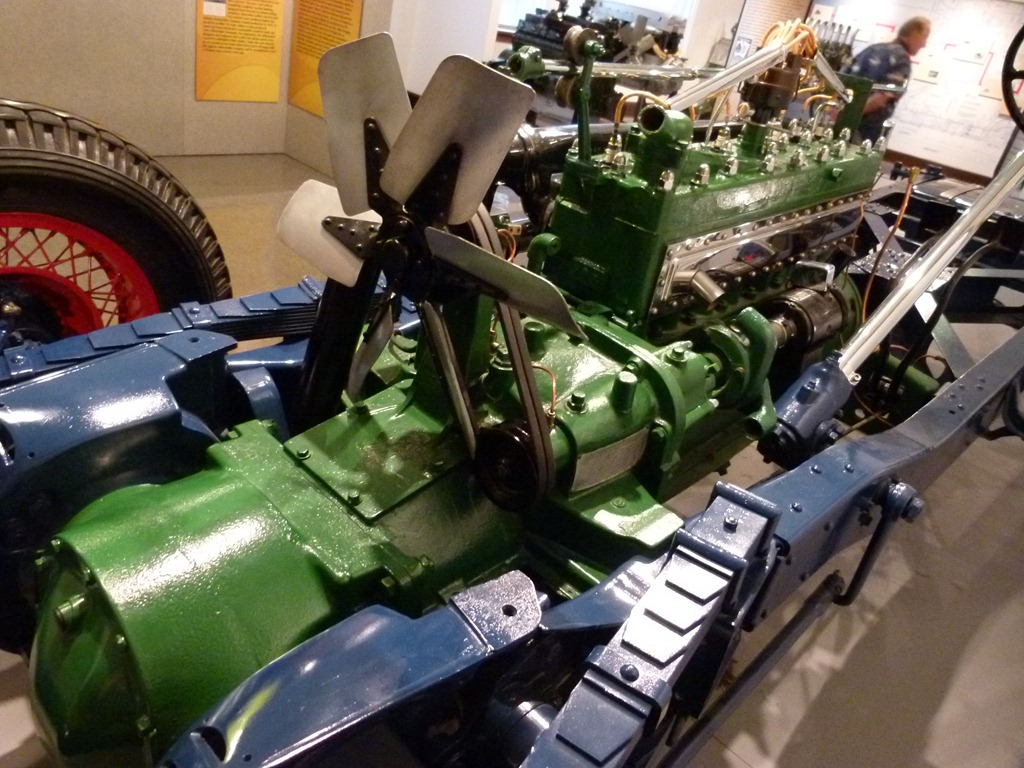
A pioneer of front-wheel-drive, Cord used an interesting approach to driving the front wheels of a car. It simply put the differential at the front of the car and had the engine facing backward on the chassis. It used constant velocity joints to allow for steering and chassis movement and mounted a fan to cool the radiator at the flywheel end of the engine.
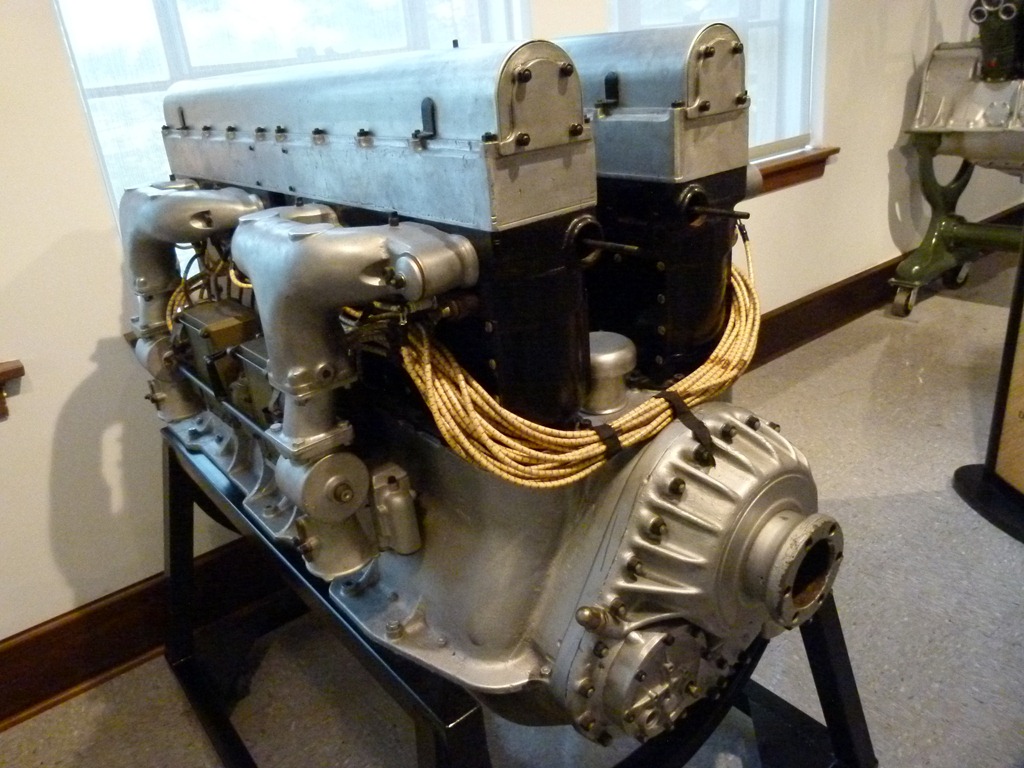
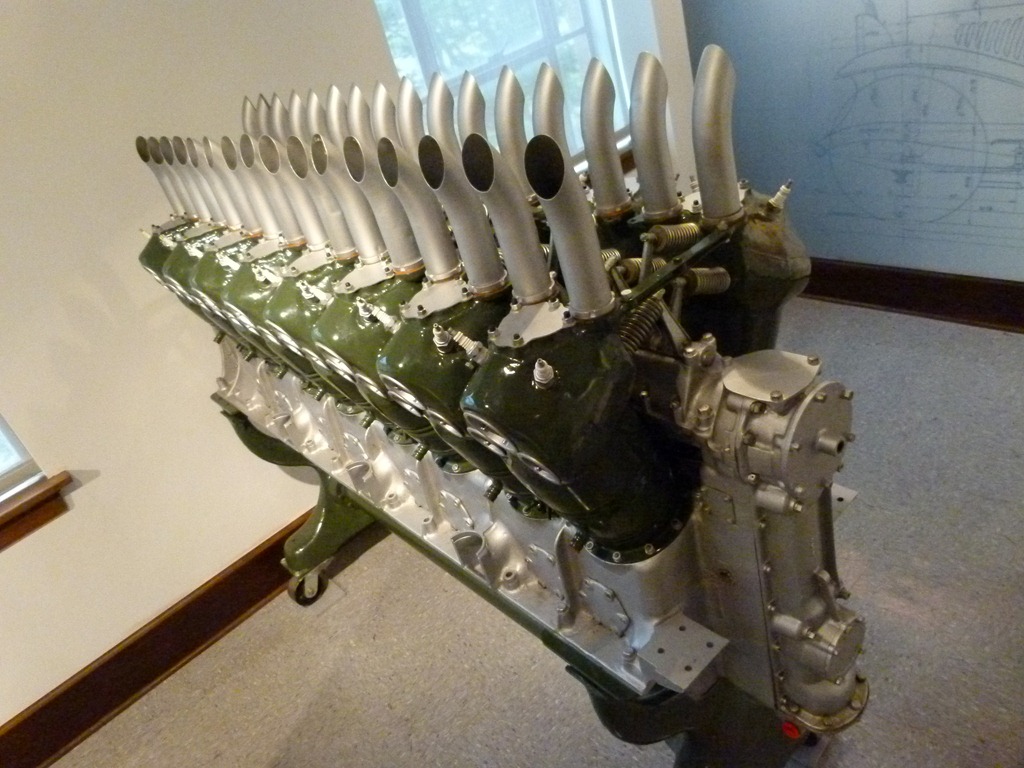
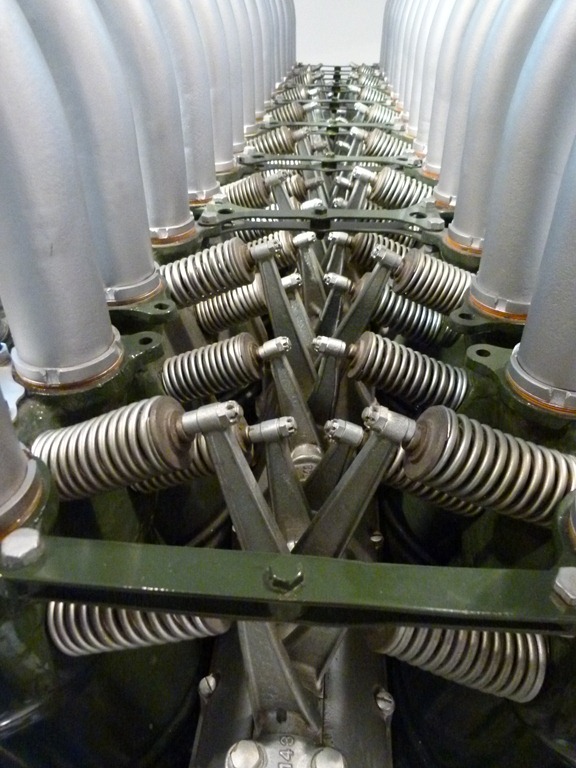
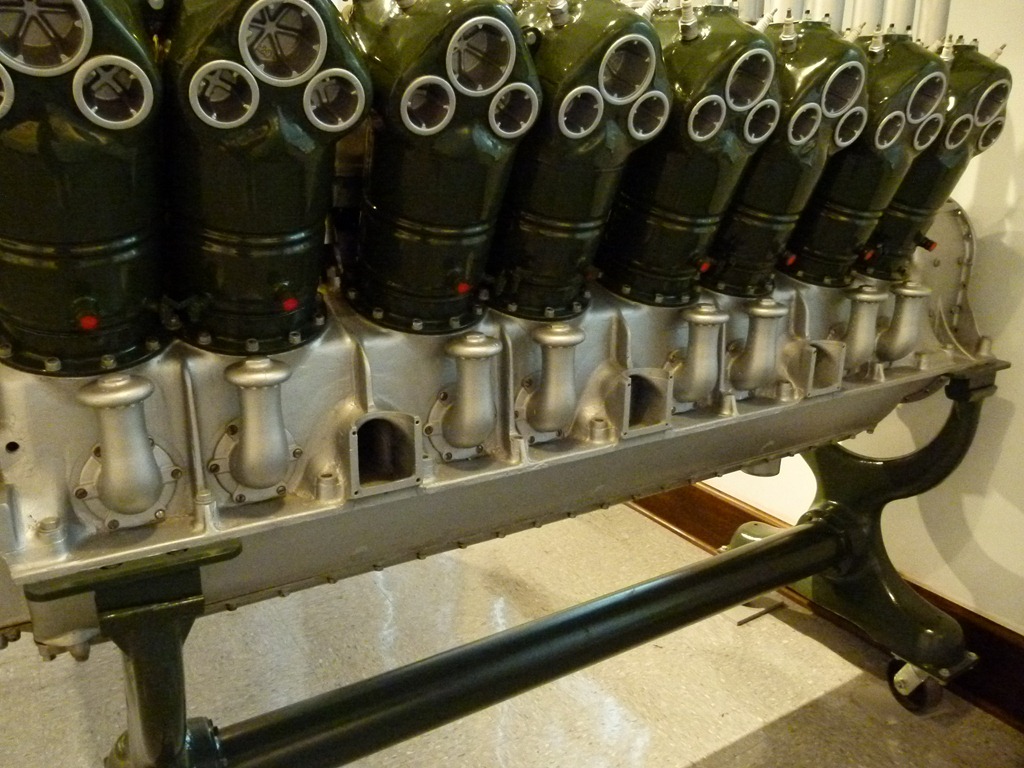
Duesenberg manufactured a Bugatti engine for use in World War I aircraft. It was basically two eight cylinder engine side-by-side connected to a common crankshaft. It produced 410 hp and was the size of a conventional 300 hp engine.
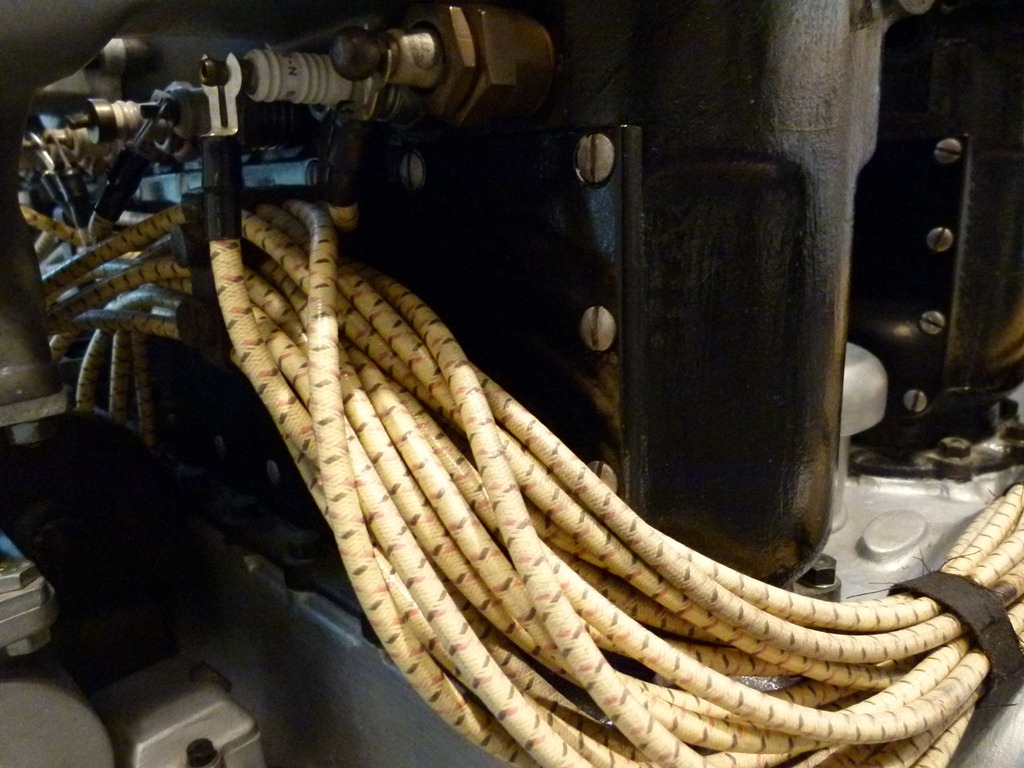
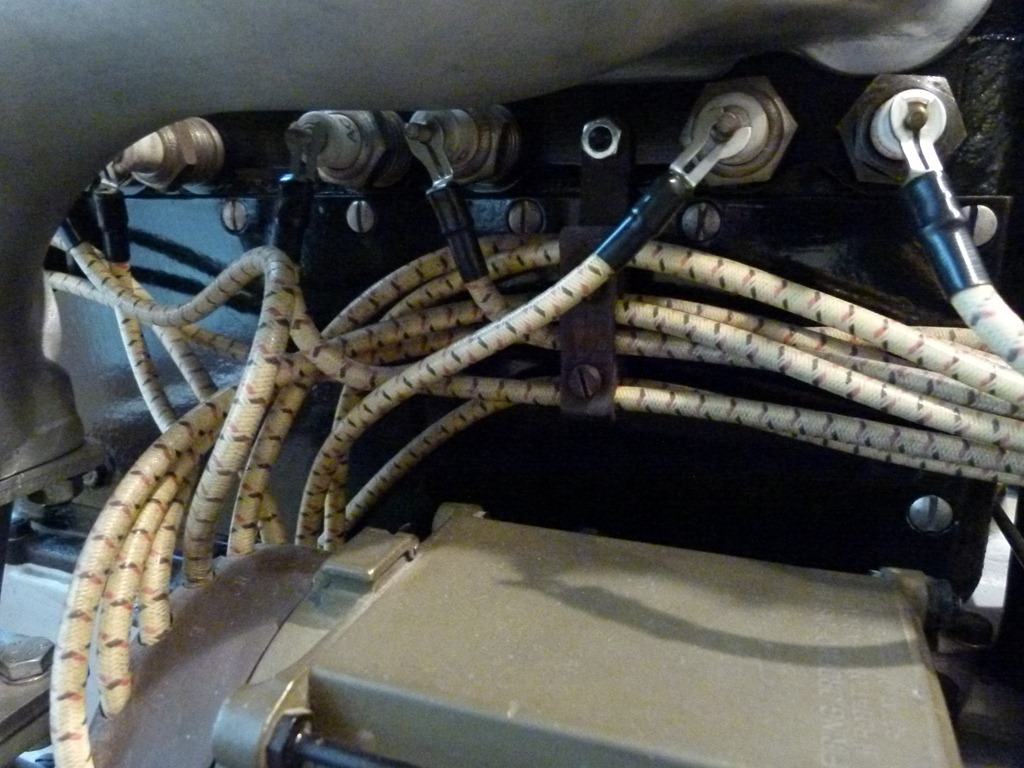
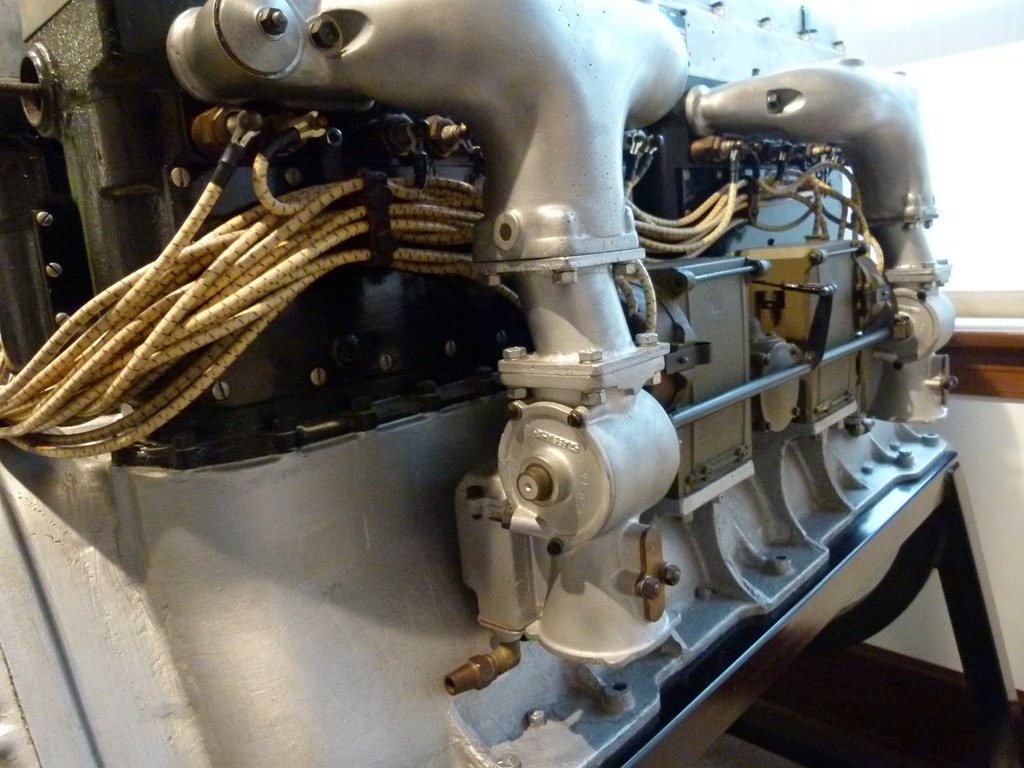
Another engine that was developed for WW I was the Duesenberg V-16. It had six inch bores and three valves per cylinder with the valve train in the “v’” between the cylinders.
There is much to see at this museum and the many other car museums in Auburn. Take your time and let yourself be fascinated with the design and technology that offered so much promise.

 JIM'S GARAGE
Leave a comment