

A lot of thoughts were going through my head as I said goodbye to my Chinese friends and headed for the ticket counter and my return flight to the US. Sure, it is always nice to know you are going home, but this trip to China had become even more special and memorable than I had ever imagined.
My last visit was in 2005 and even then Beijing, and China itself, was impressive in terms of how quickly it had moved from an isolated communist state to a country that had committed itself to capitalism. Five years before that it would have been difficult to find anyone who owned a car, let alone knew how to drive one. By 2005 Beijing was integrating automobile traffic with motor scooters and bicycles. Its roadways were expanding and drivers were developing their own version of driving etiquette.
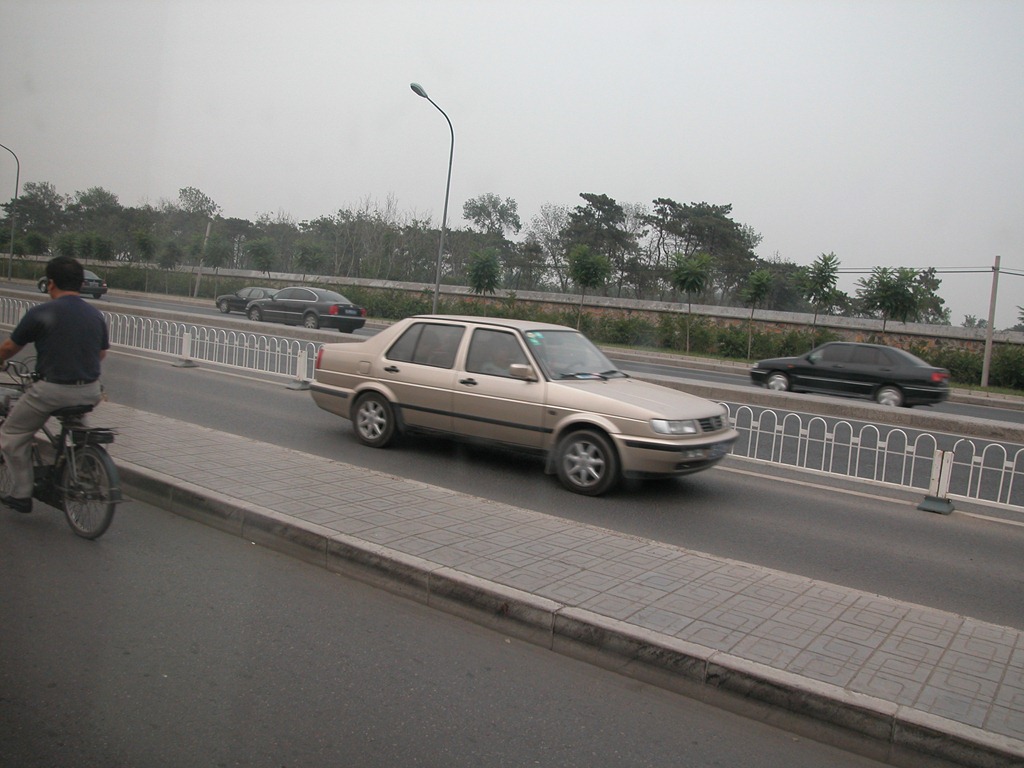
Every country has a set of unwritten rules of driver behavior that will vary from city to city and region to region. It is something that evolves with the changes in the economy as well as the makeup of vehicles. Seven years ago the driving style of Beijing was punctuated with frequent use of the horn and careful attention to fuel consumption. Taxi drivers would shift well before reaching 2000 rpm and the horn was used, not to reprimand, but to communicate your position to other traffic that often consisted of buses, bicyclists, motor scooters, pedestrians, and other taxis. Obtaining the right of way was often just a matter of how far forward you could get the nose of your vehicle. It reminded me a lot of the technique of driving around the surface streets of Boston, except in that city horns were used to scold and complain with.
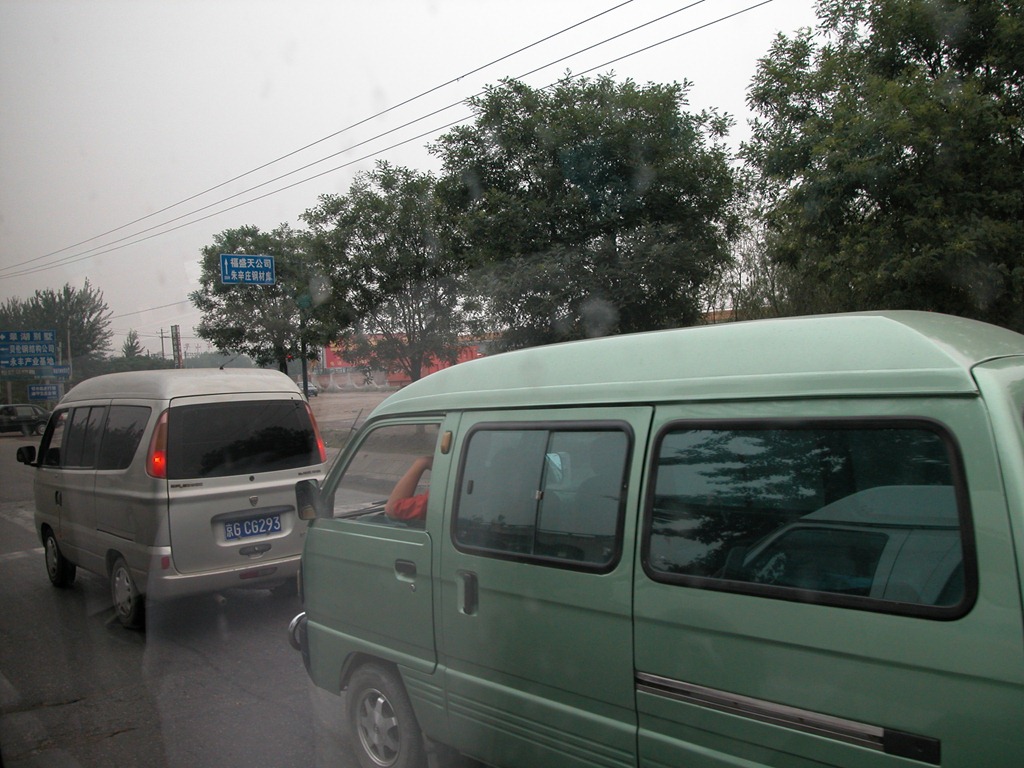
So as I was driven around the streets and motor ways of Beijing I saw that clearly a change had taken place. Perhaps it could be described as a maturing of the driving habits. Gone was the obsession with fuel economizing. Even the use of the horn was much more subdued, but is was still used more in the sense of communicating rather than admonishment. While bicycles and motor scooters still existed, they were in a definite minority.
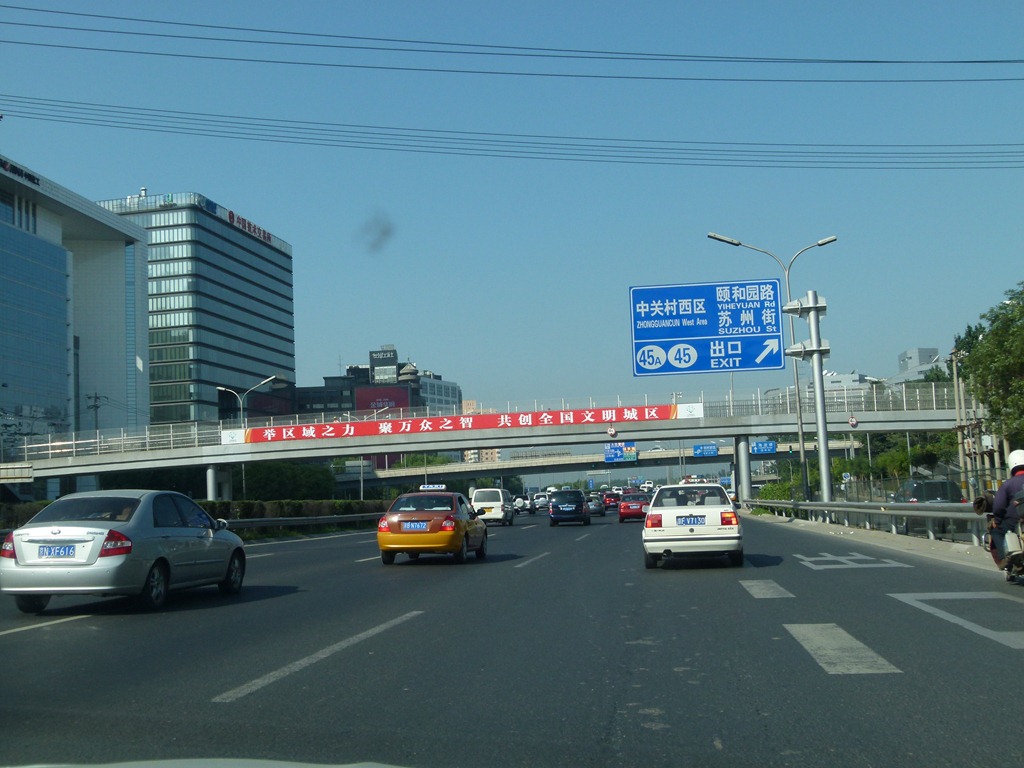
Beijing is a large city in any sense of the word large. With 40 million people living in and around the core. For those of you familiar with cities in the US such as Boston and Washington, DC, you know that they have roads that encircle them in order to allow traffic to bypass the city center. In Beijing it is the same only there are not just one or two ring roads. There are seven. This is a big city.
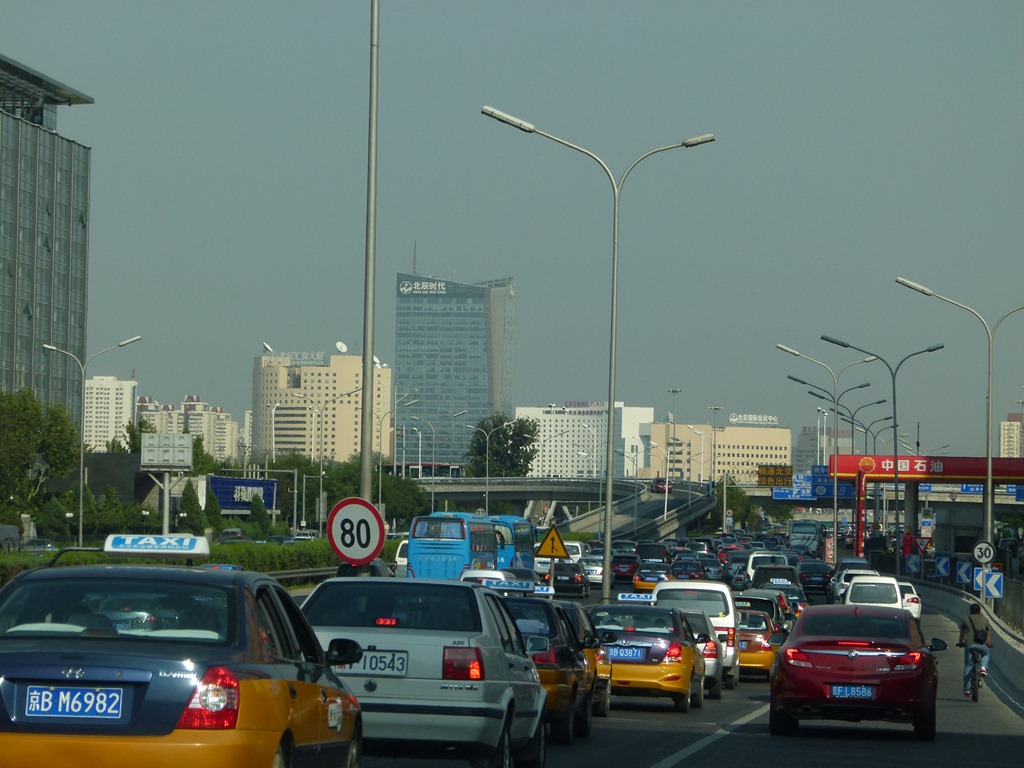
There are many cars that go in and out of Beijing during the work week and the government has instituted a policy to reduce the numbers in the hope of reducing congestion and the levels of exhaust emissions. So the last digit of your license plate will determine if you can enter the city or not. On one day the 0 and 5 plates are blocked from entering, the next day 1 and 6, then 2 and 7, 3 and 8, finally 4 and 9. In theory that removes about 20% of the potential traffic from inside the forth ring. The only exception are taxis and government vehicles.
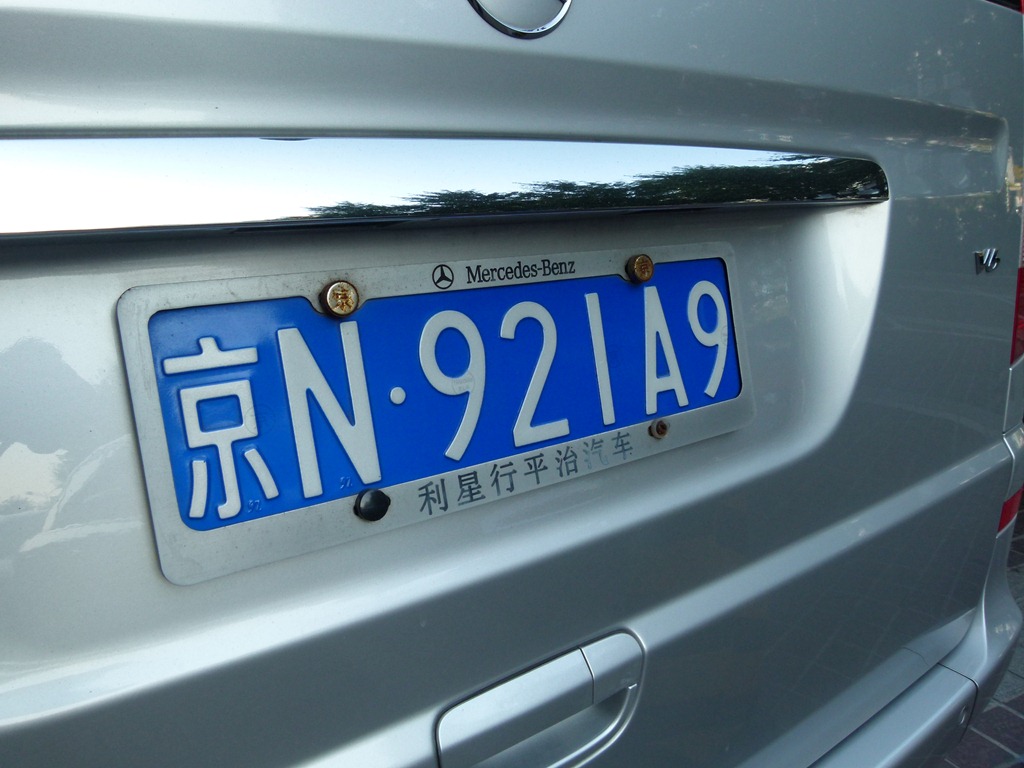
The above is a Beijing license plate. The character on the left is the symbol of Beijing. The background color is blue, with white being for army or military vehicles. The most favored color for cars is black. Probably because it was the traditional color for government vehicles and has an aura of importance.
My next entry will talk about the road trip and what its like to travel the highway system.


 JIM'S GARAGE
Leave a comment