

With a Beach Boys song in my head I turned the P71 toward Indiana and the city of Kokomo.
It started out rather gloomy as I drove out of Illinois. Several miles later and things started to brighten.
I went down US 31 toward my goal and was stunned at the number of eating establishments. This road seemed to have thousands of restaurants representing every known franchise. It was amazing. I wondered if this part of Kokomo had outlawed kitchens in homes. I imagined people with small microwave ovens risking the telltale power surge so they could prepare some popcorn and hope that it wasn’t detected.
The museum I went to today was a combination of the Elwood Haynes museum and the Kokomo Automotive Heritage museum. Its nice to see these preserved and still available to the public. So often on my journey I’ve gone to museum locations only to discover that they are no more.
This one is located at a large building that also serves as a civic center.


In I went and started my exploration of the history of this Kokomo automotive pioneer and examples of cars over the decades.

The center piece was a recreation of Elwood’s Pioneer of 1895, looking much like his first “horseless carriage” that début in 1894 on the streets of Kokomo. He billed it as “America’s First Car”.
Now here is a bit of controversy since Charles and Frank Duryea founded the Duryea Motor Wagon Company, in Massachusetts, in 1893. Elwood ignored all that and promoted all his cars sold as coming from the manufacturer of “America’s First Car”.
In 1896 the Haynes-Apperson Company was formed to manufacture cars and it did up until 1902 when the Appersons left the company. In 1908 Haynes formed the Haynes Automobile Company from the old partnership and continued to manufacture and sell cars until 1923.
Late in 1895 George B. Selden was granted a patent in regards to the motorcar. This created an opportunity for Selden to extract a fee for every car manufactured and it also limited growth since the patent meant that you couldn’t manufacture cars without being granted a license from the patent holder. Henry Ford found this out when he was refused a license to manufacture his cars. He went ahead and was sued. Fortunately the patent was declared invalid and the rest is history.
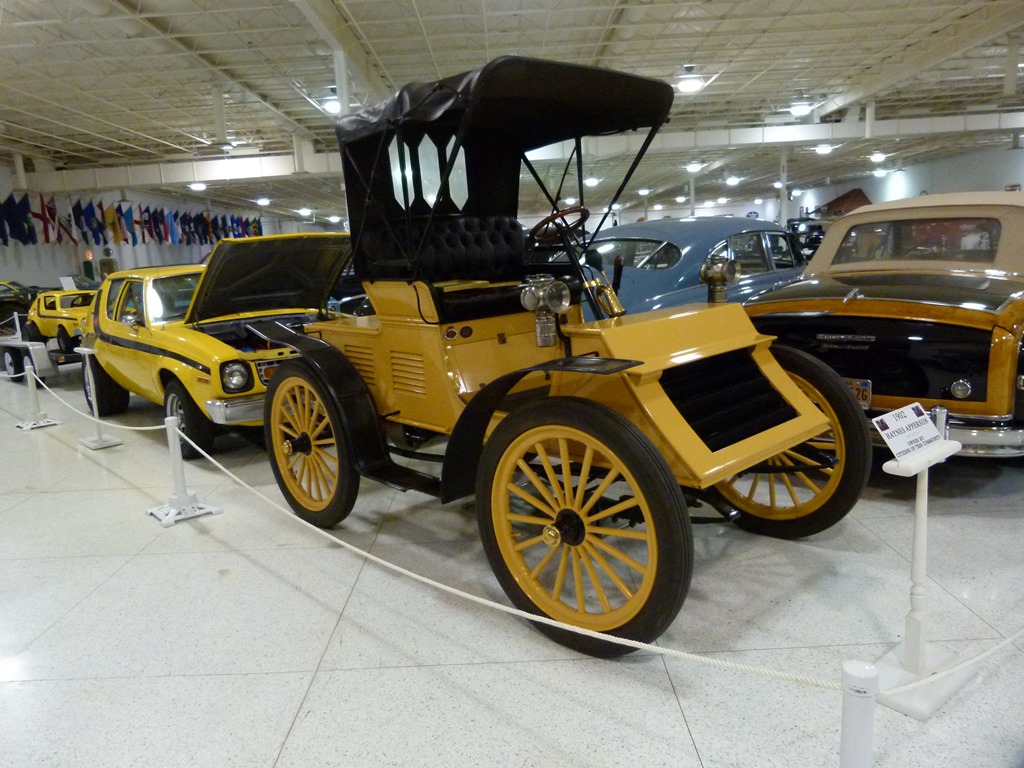
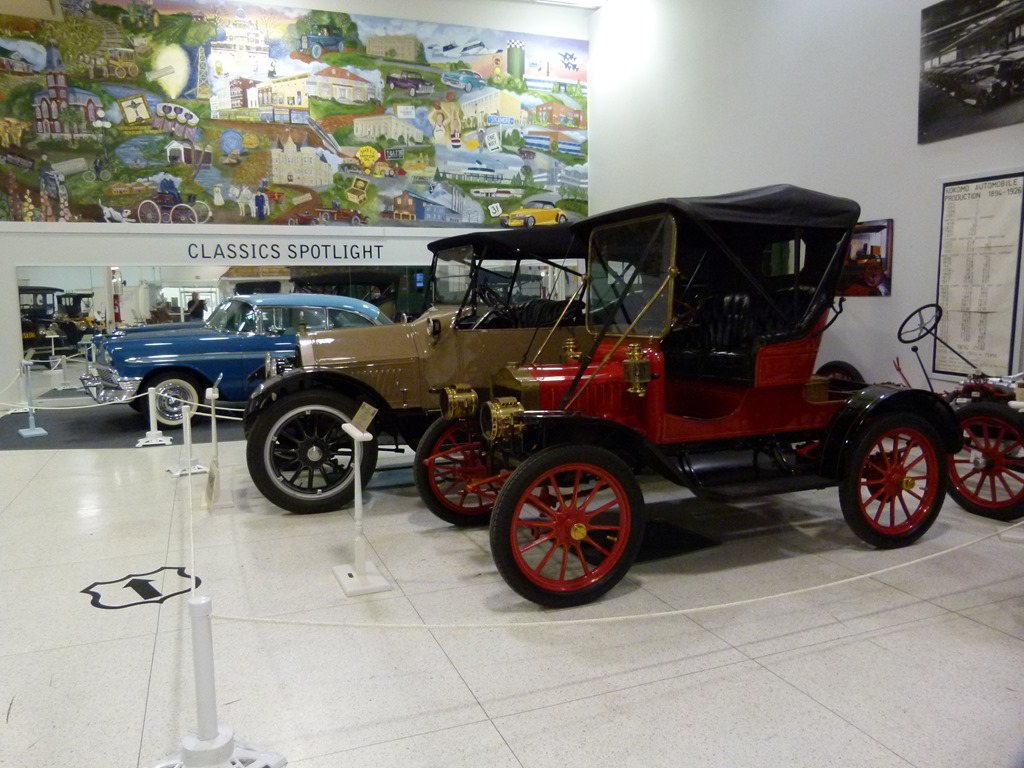
Above is a 1902 Haynes-Apperson.
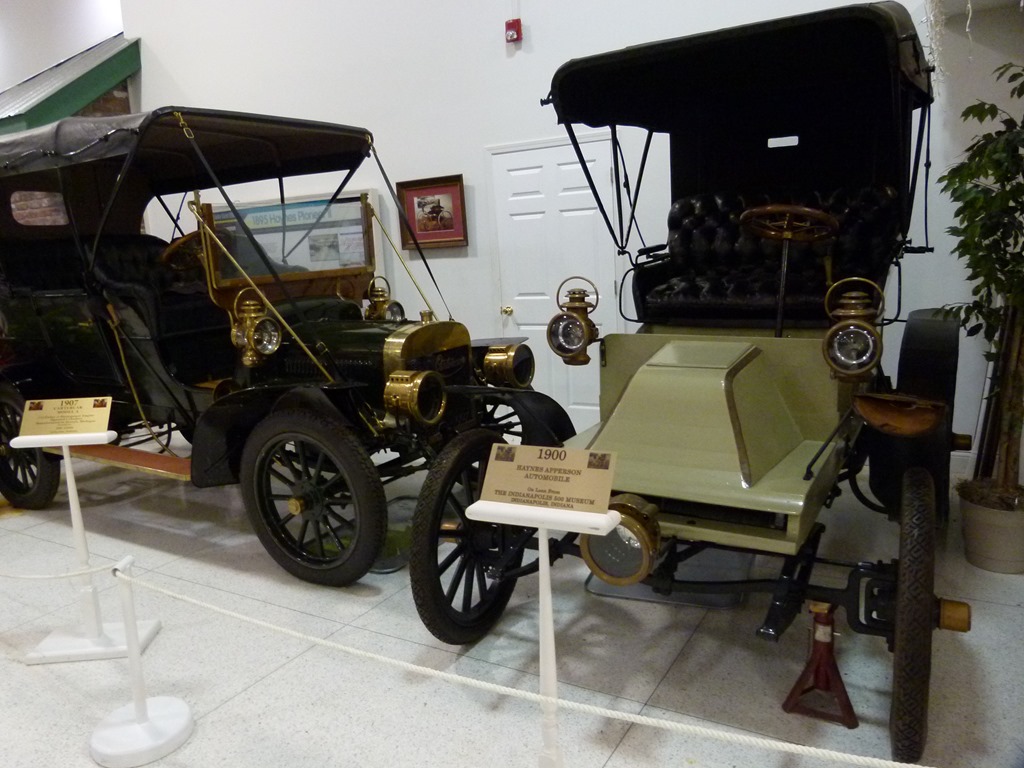
On the left is a Cartercar Model-A from 1907 and on the right is a Haynes-Apperson from 1900.

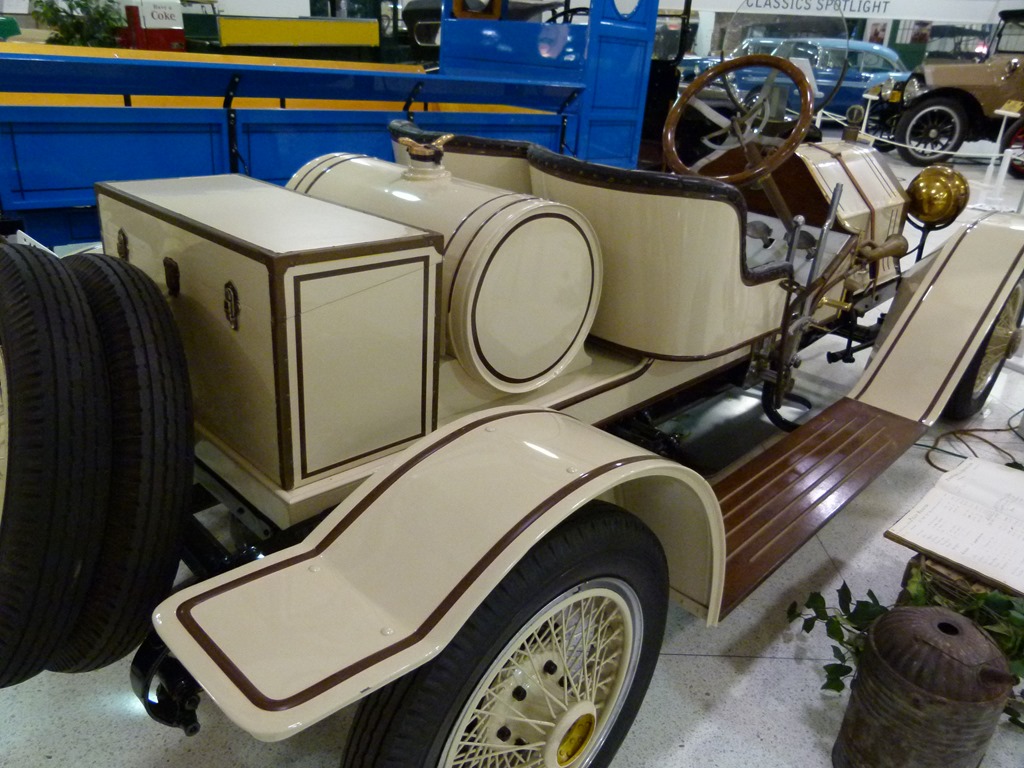
This is a shot from the rear of the 1911 Haynes Speedster. Guess where we get the term “trunk” from? Yup, the storage space in the rear was basically a trunk adapted to fit on the back of a motorcar.
I’ll let the Brits explain how they ended up calling it “the boot”.
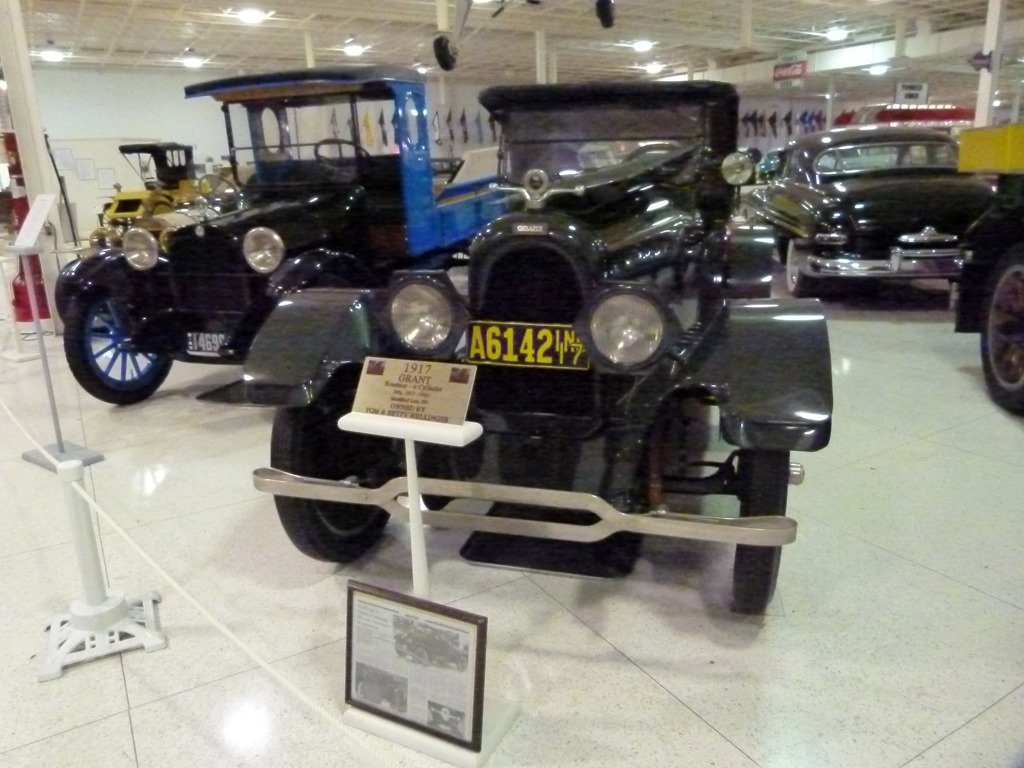
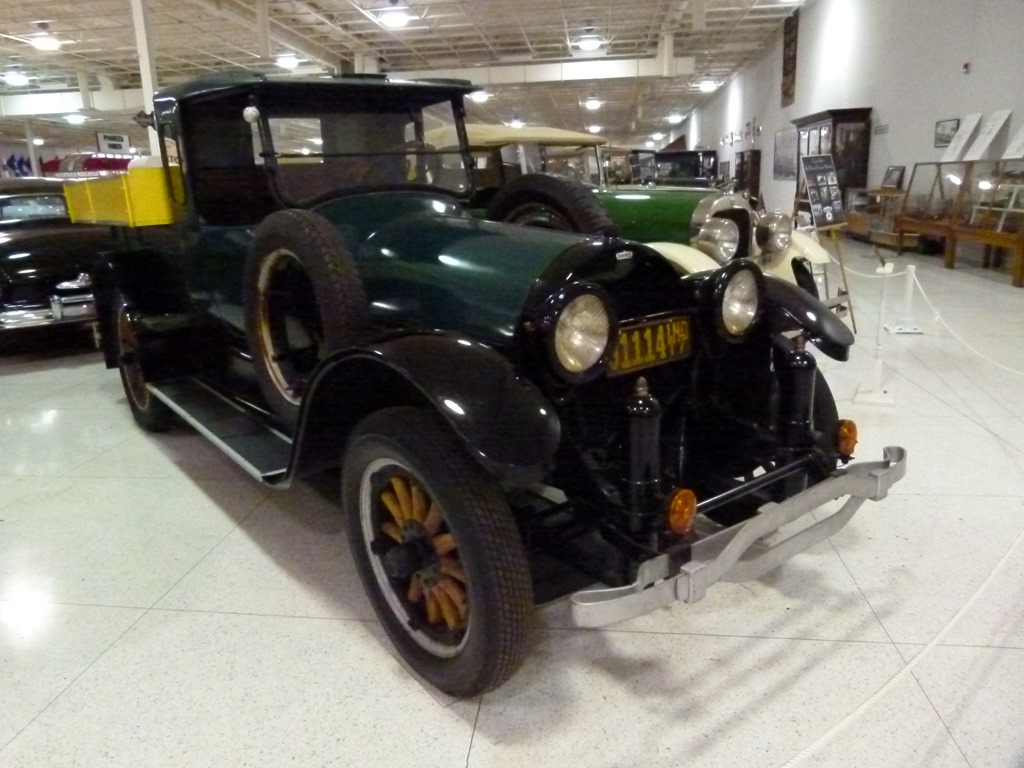
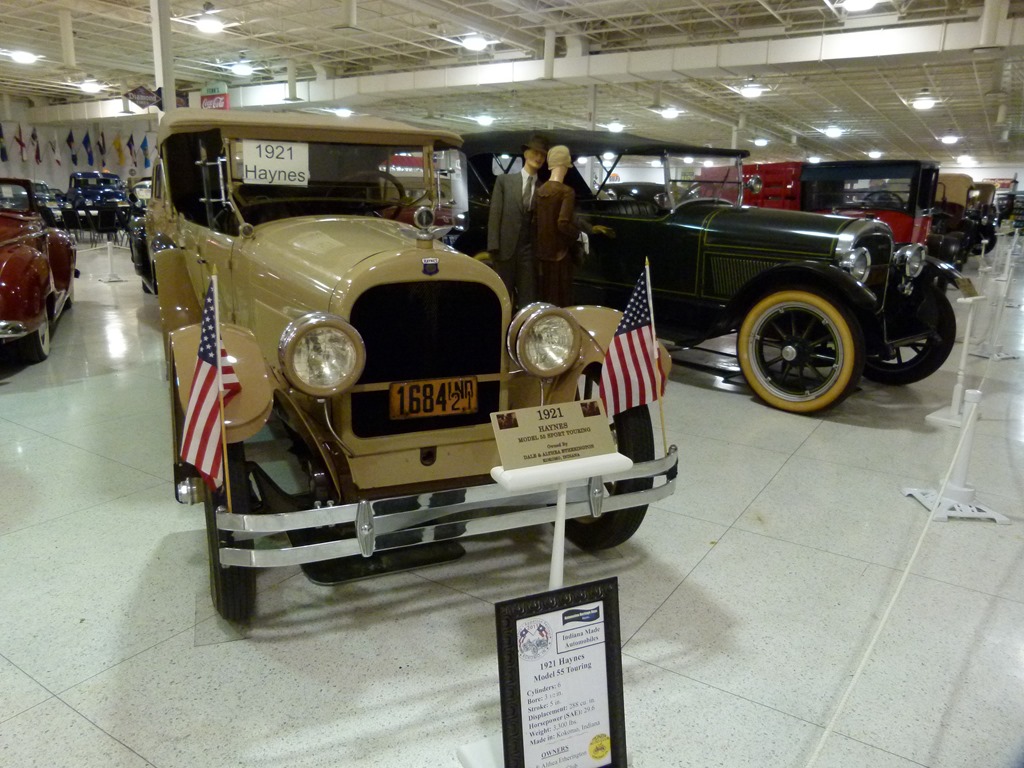
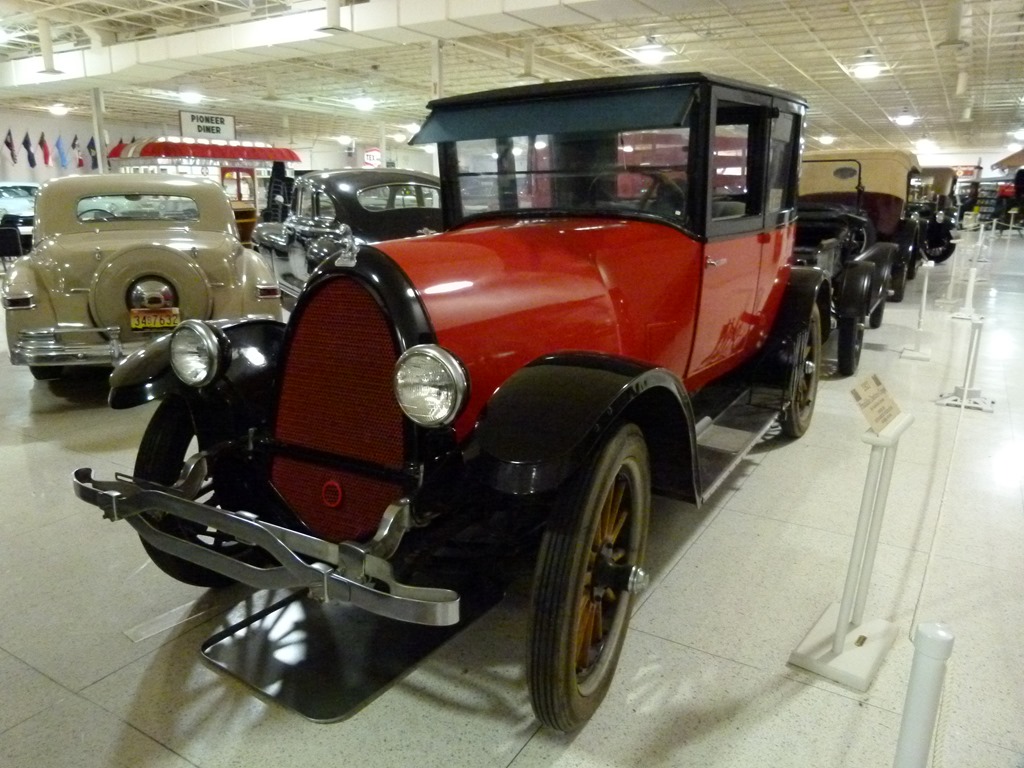
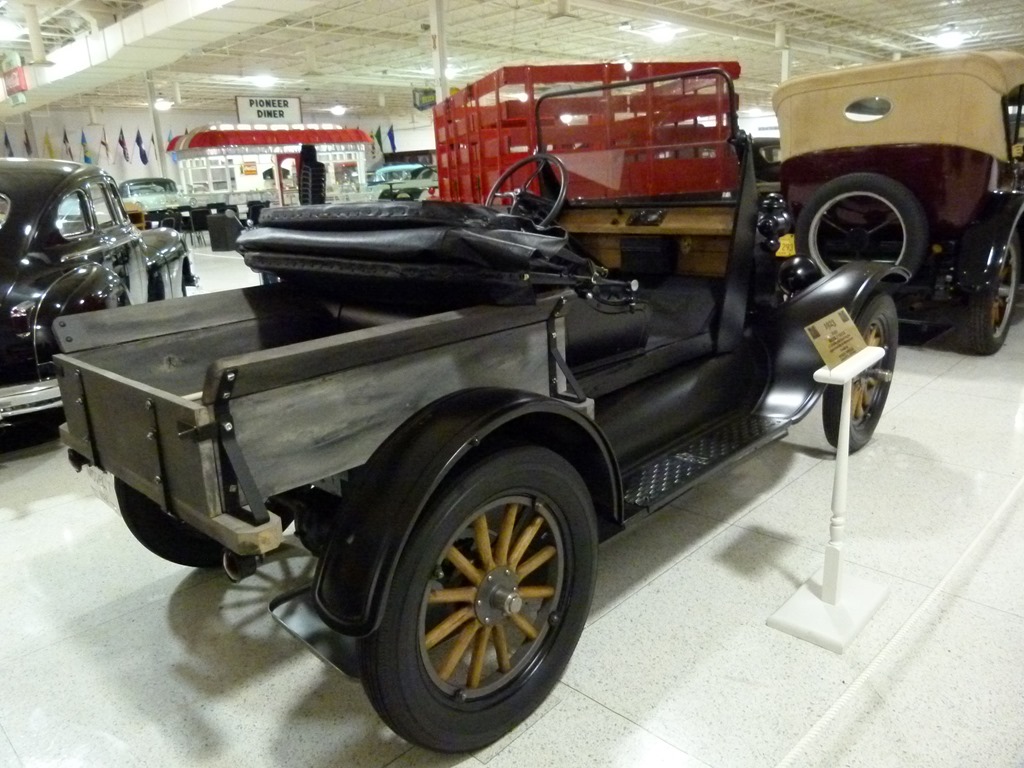
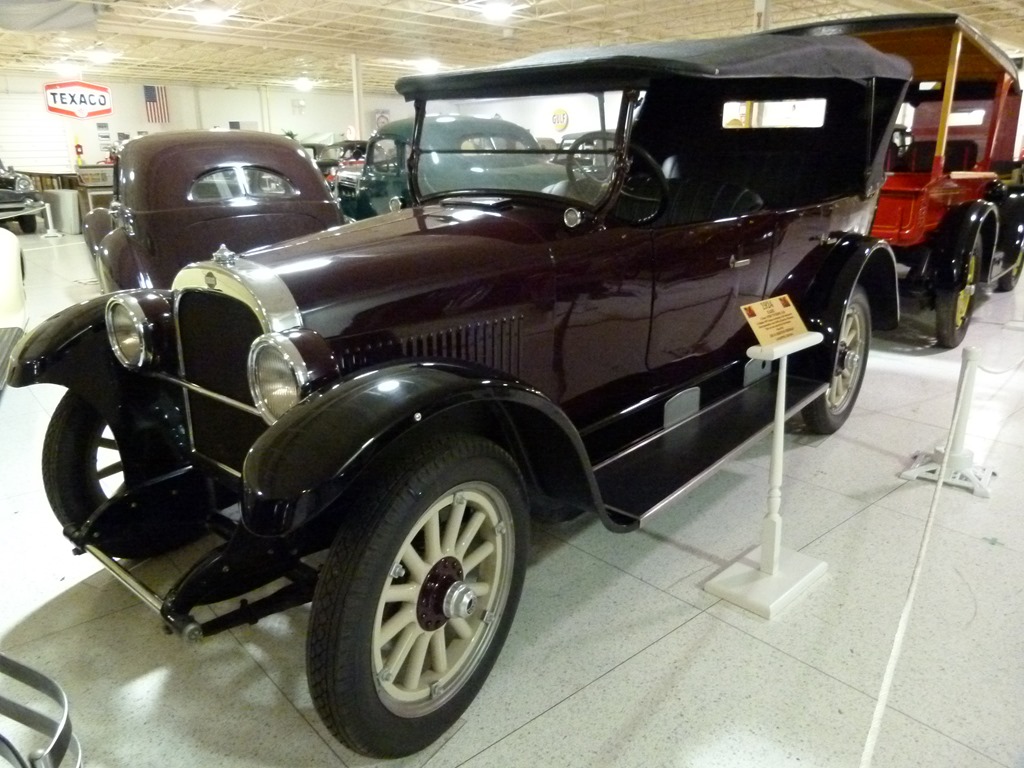
This is another Haynes.


A 1923 Haynes. One of the last.


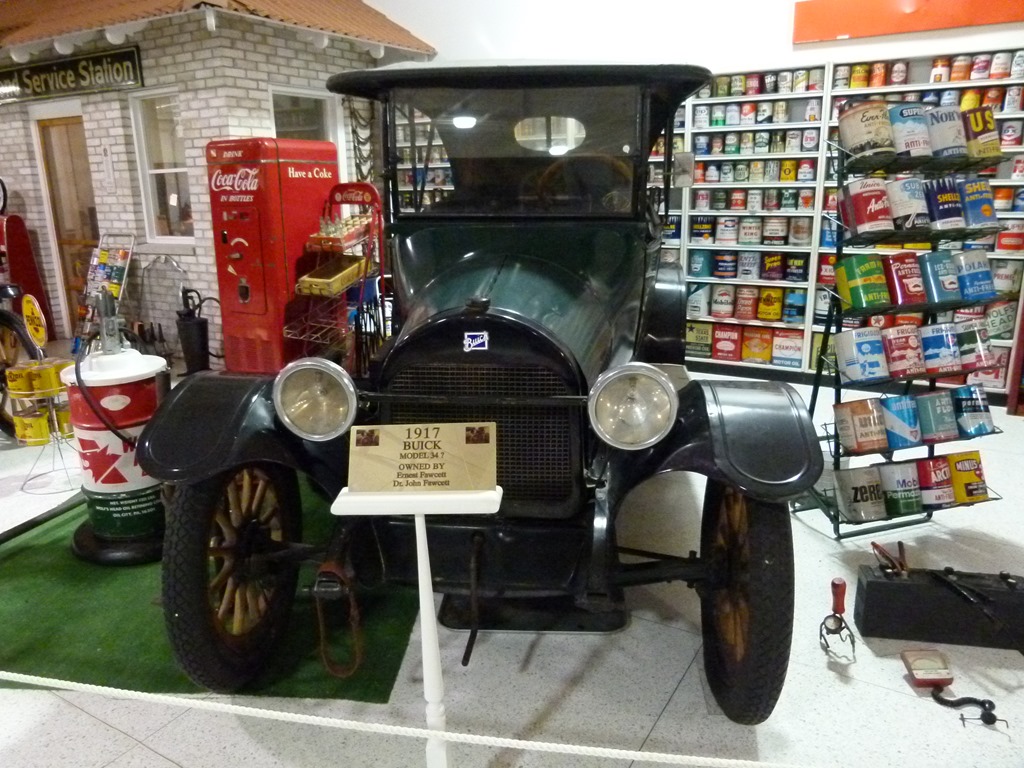
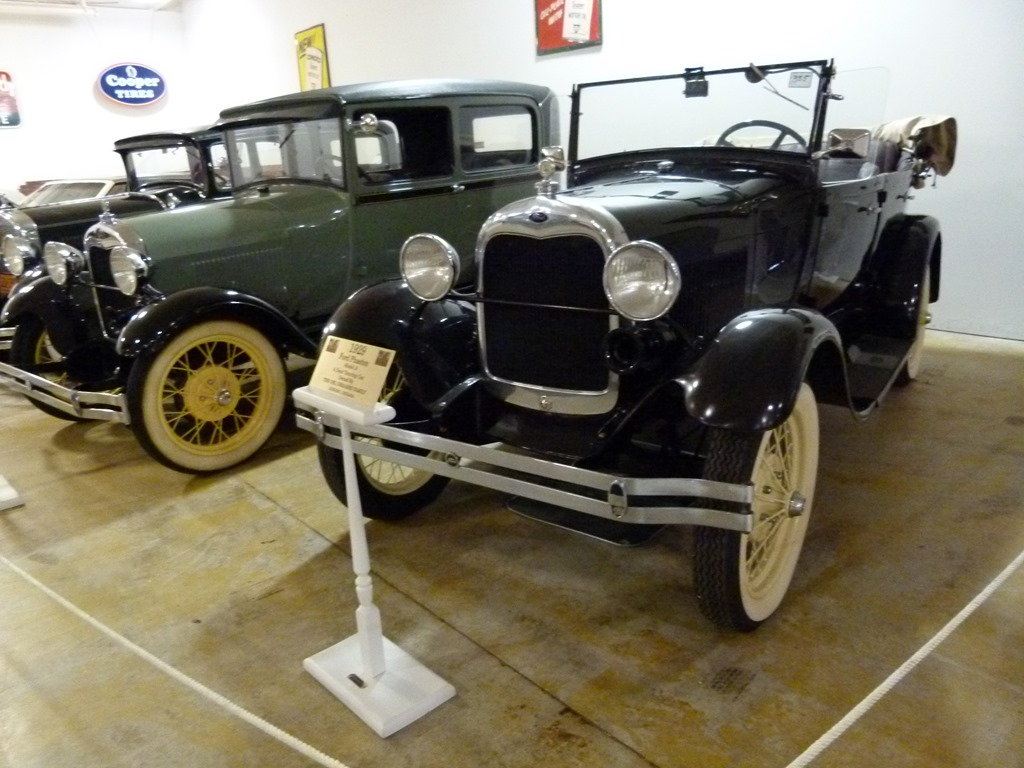
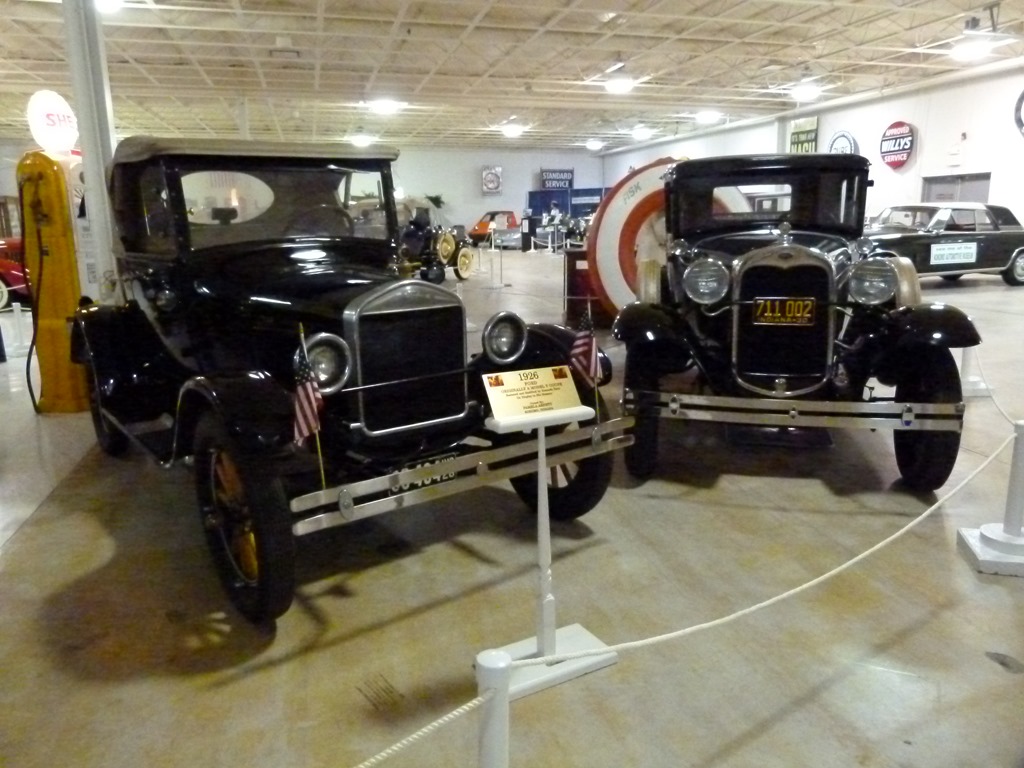
From here I’ll move on to some of the cars from the pre-war and post war eras that are on display.
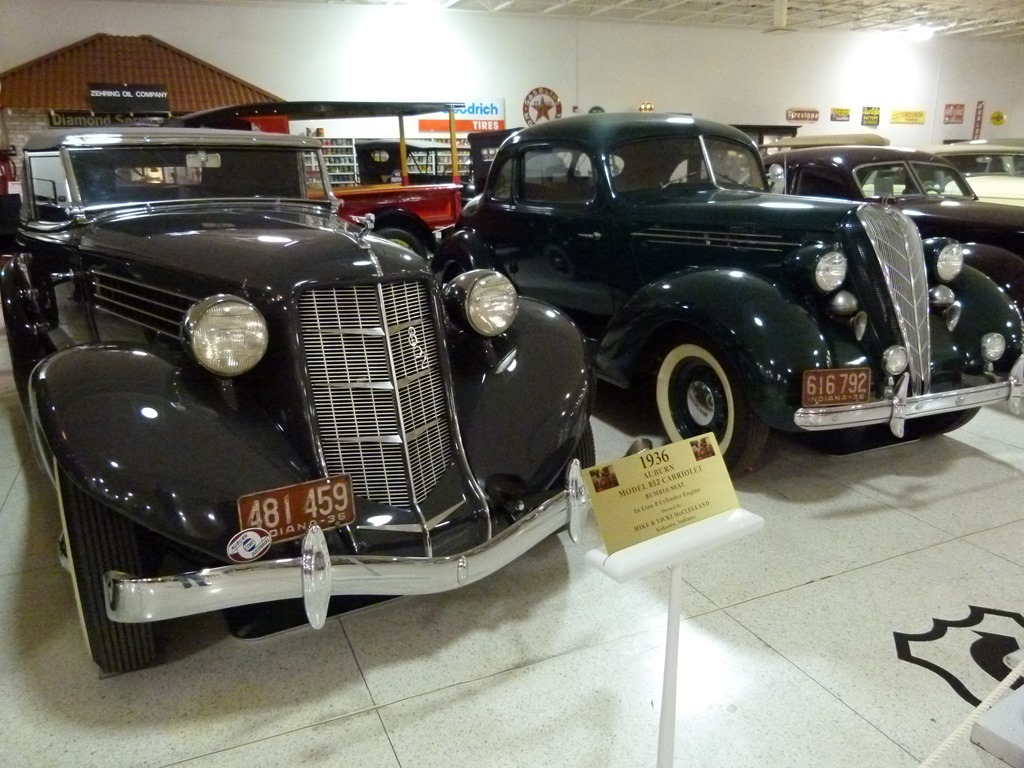
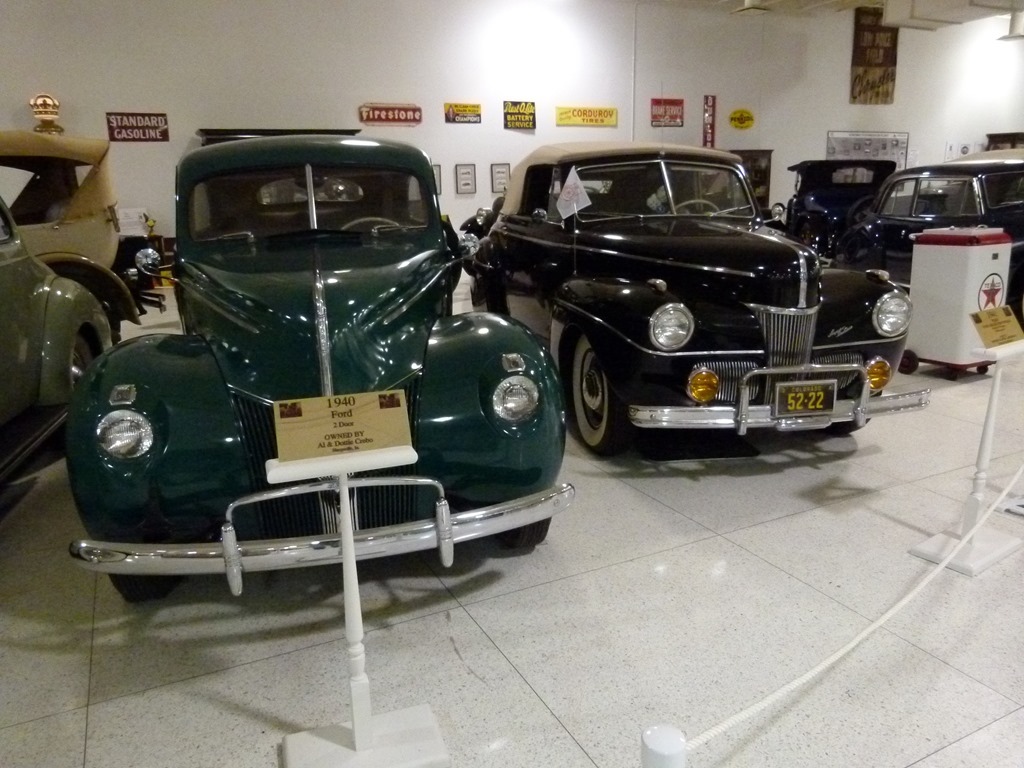

Packards – you gotta love them.


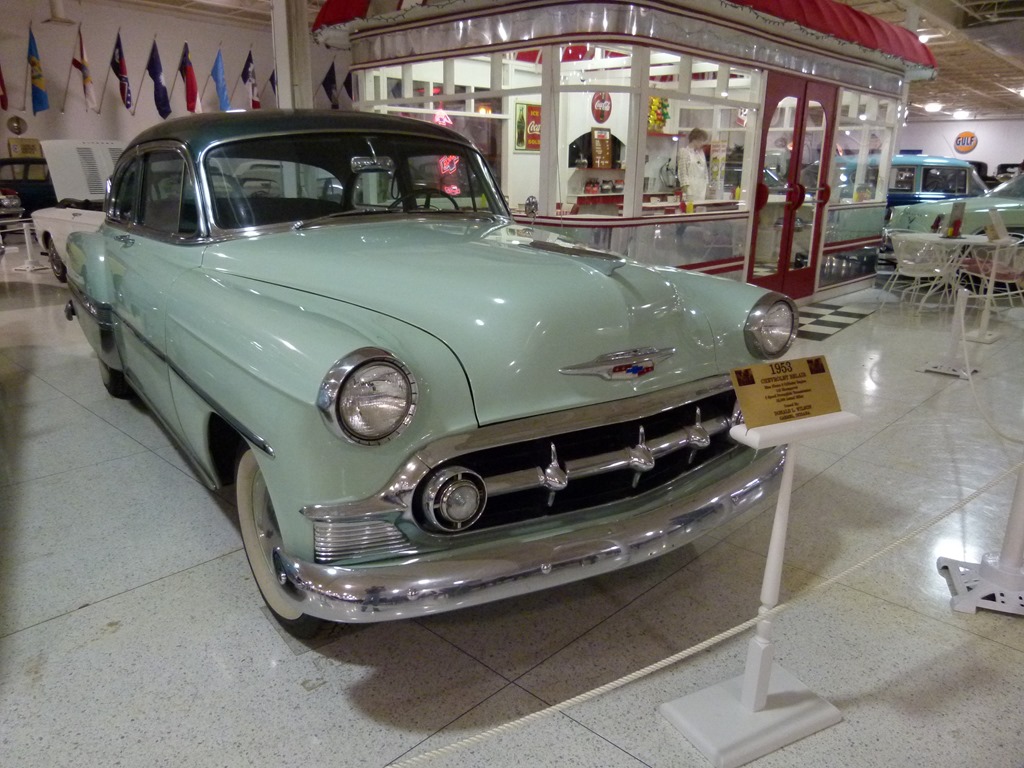
The 1950’s saw two-tone paint jobs and eventually the tail fins that kept growing in size.
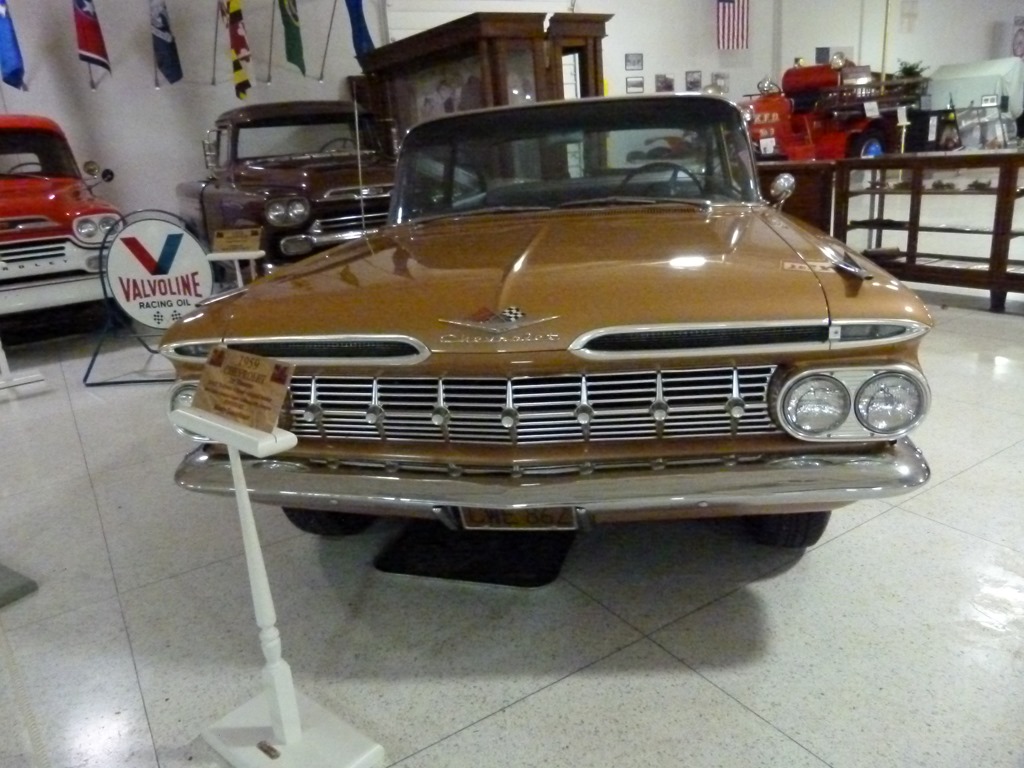

On into the 1960’s…

…and 1970’s:

No, that’s not a Jeep in the background. It’s a 1971 AMG 151A2 MUTT – Military Unit Tactical Truck.
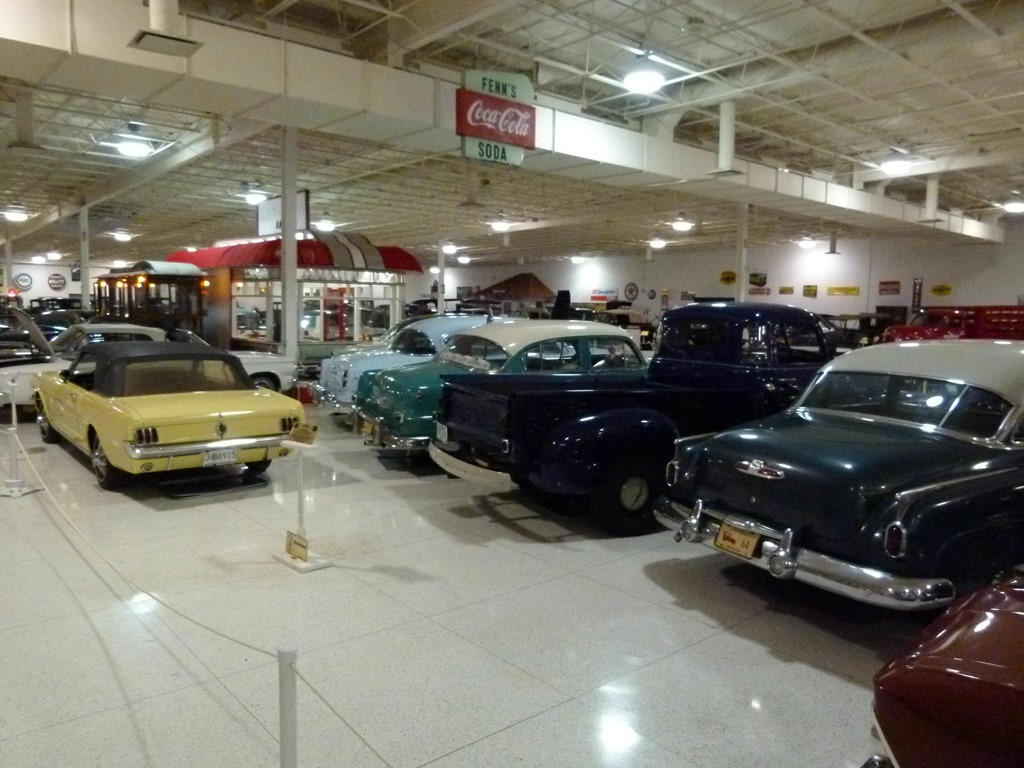
This is a fun and educational museum that Kokomo should be proud to have in their city.

 JIM'S GARAGE
Leave a comment