

It has been well over 700 days since the last PRI (Performance Racing Industry) trade show. Last year’s event was cancelled due to the COVID 19 pandemic. This year’s event opened up with the traditional breakfast in the Sagamore Room at the Indianapolis Convention Center.
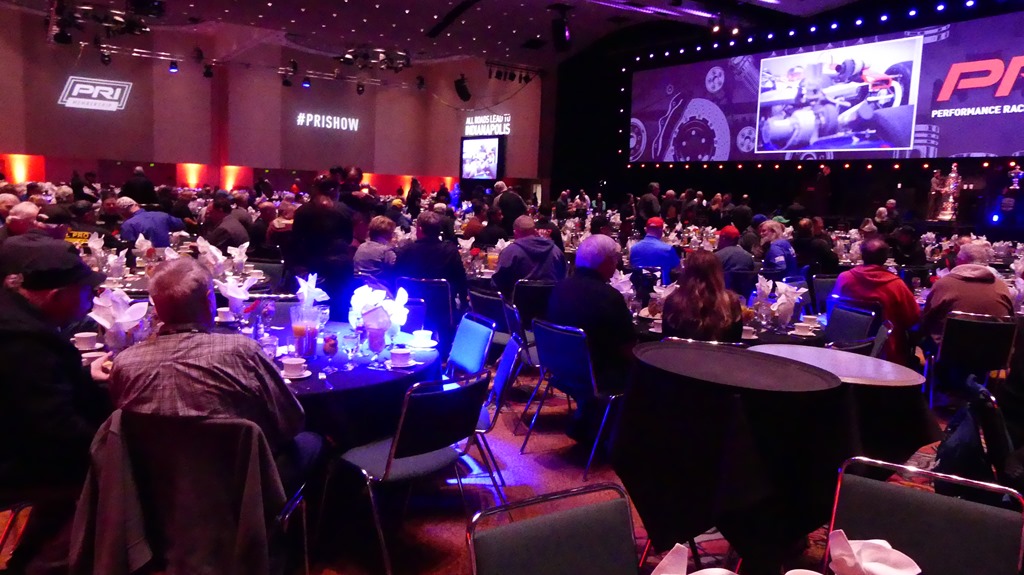
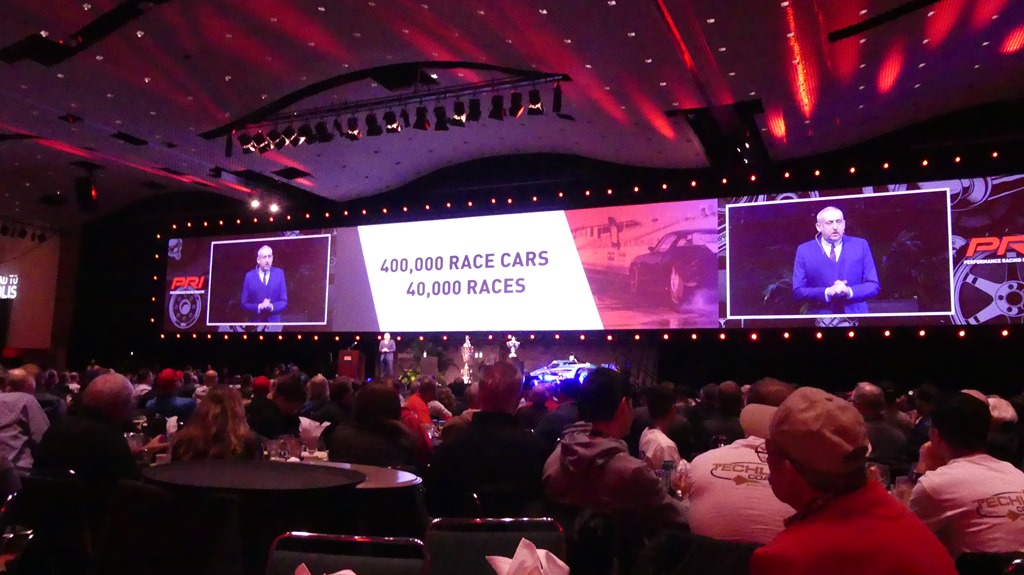
I was joined there by several thousand attendees. We had fun talking about how we all coped with the changes in our car lives while we anticipated this year’s show.
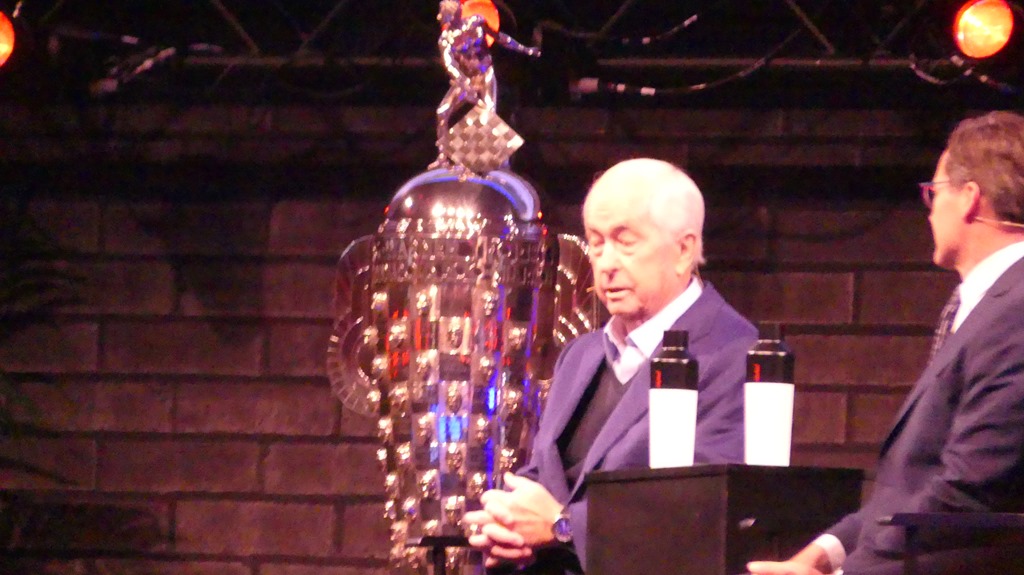
There were several speakers at the breakfast including Roger Penske, often known as “the Captain”. During the pandemic he negotiated for the purchase not only of the Indianapolis Motor Speedway, but the Indy Race Series. Roger has always proven to be the consummate business leader as well as racer and team owner. Hearing his desire to improve everything he purchased and ensure that racing does not become mired in the perspectives of the past, but move to a bright future was welcome.
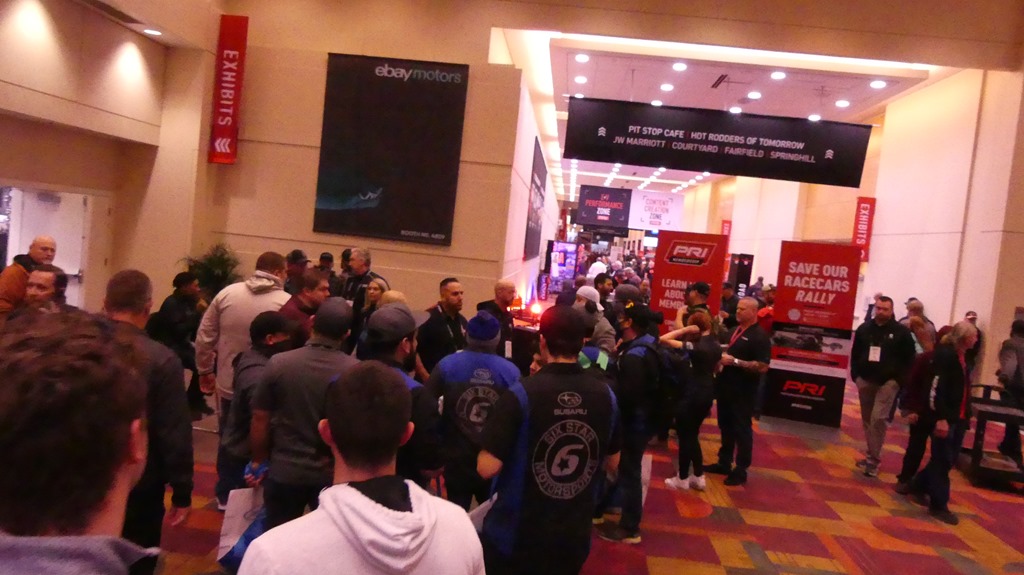
On his positive note we left the breakfast and headed for the 1,000 exhibits on the convention floor.
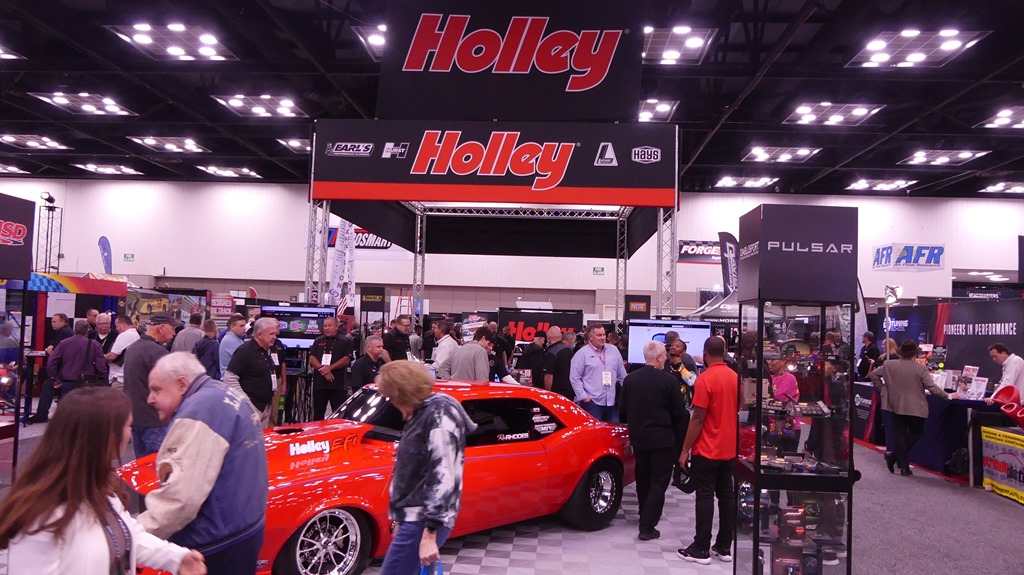
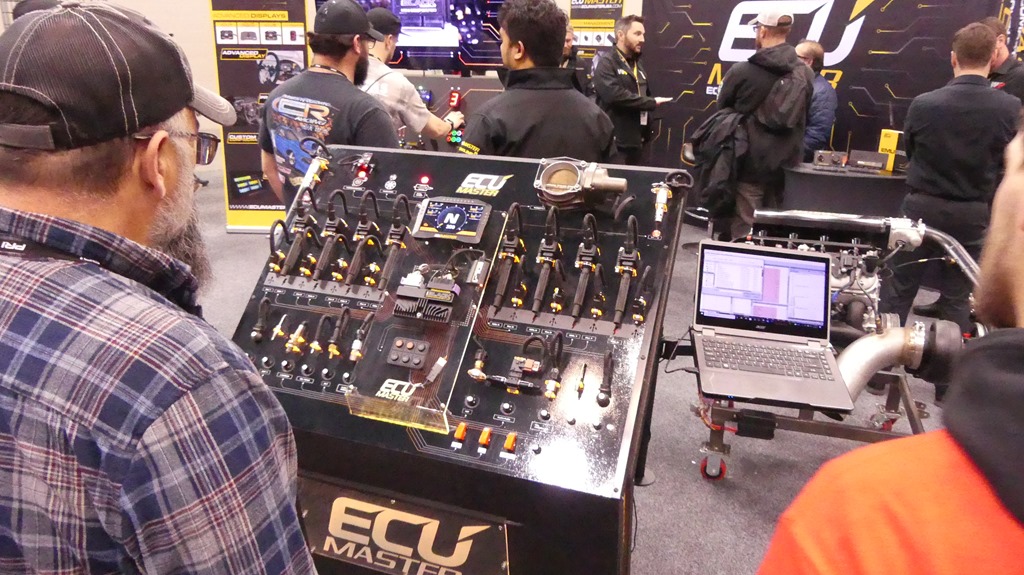
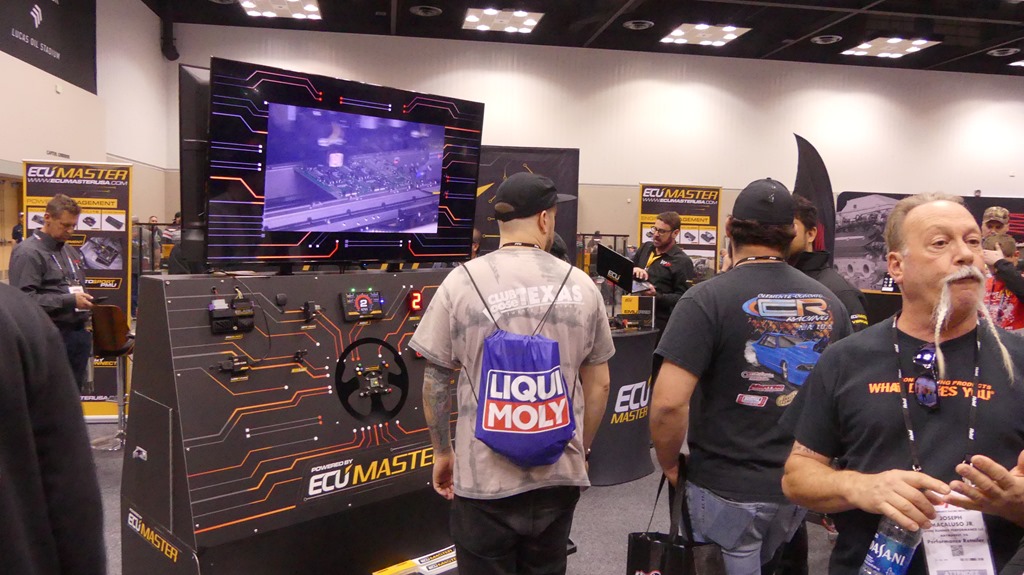
I saw several booths where there were many alternatives to a stock ECU, the control unit of cars engines since the advent of fuel injection. Some were “piggy back” approaches and others were complete replacements of the factory unit.
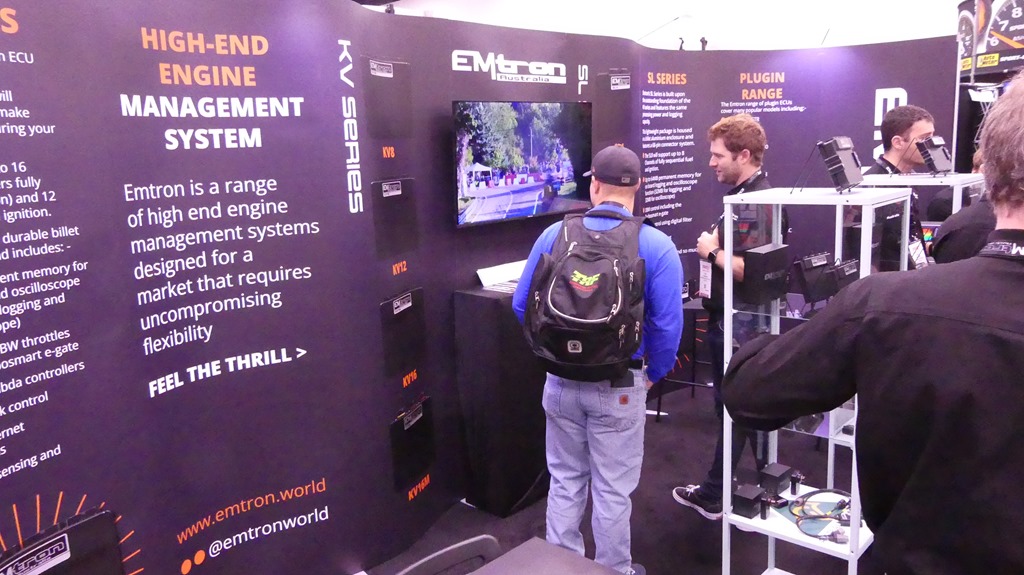
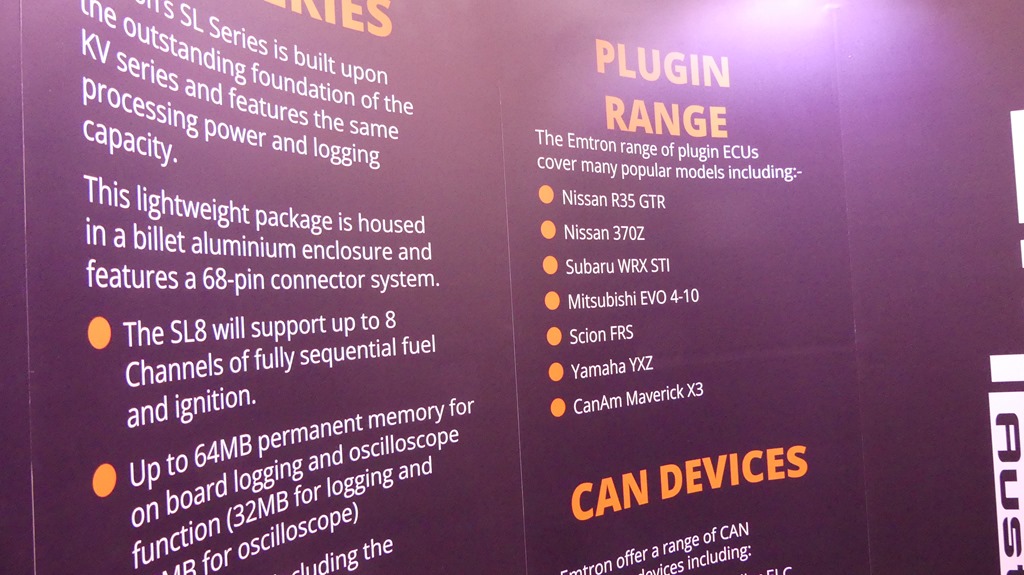
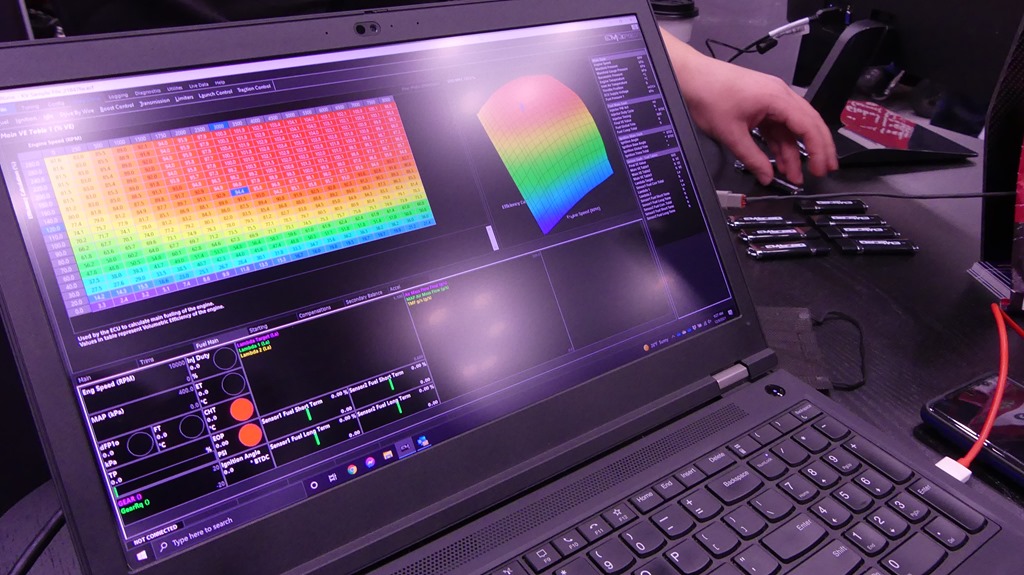
This Australian company shows a great deal of flexibility and provides many levels of control.
ECU Master is a US company that has a complete solution of sensors and computer controls.
EV’s, electric vehicles are now coming into their own as race cars not only for series specifically for them (such as Formula E), but for track day drivers that previously have been internal combustion (IC) vehicles exclusively. Just as IC track cars need gasoline, EVs need their fuel, too.
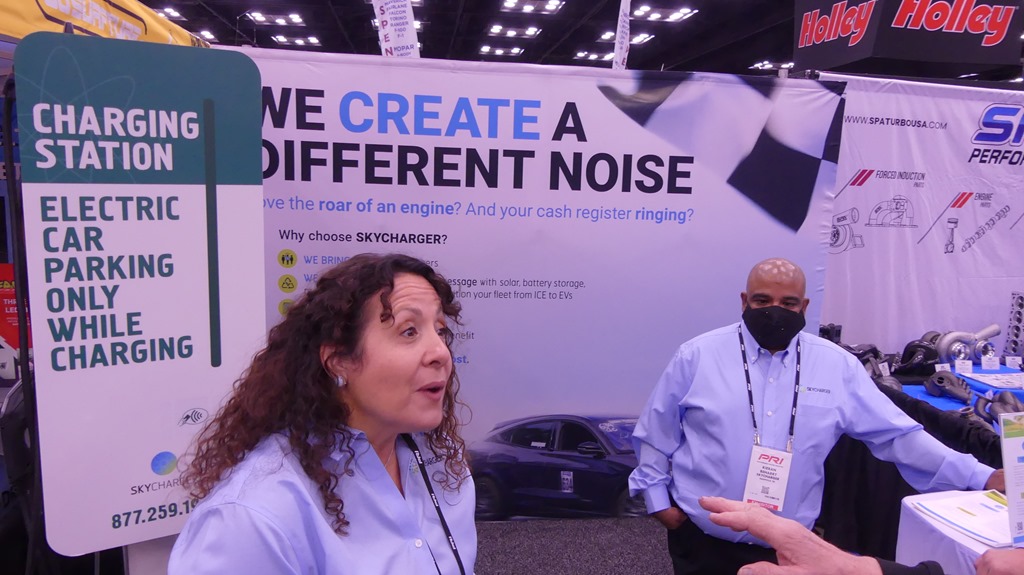
Soon you will see these charging stations at your race track to ensure that Tesla type track cars are fully charged.
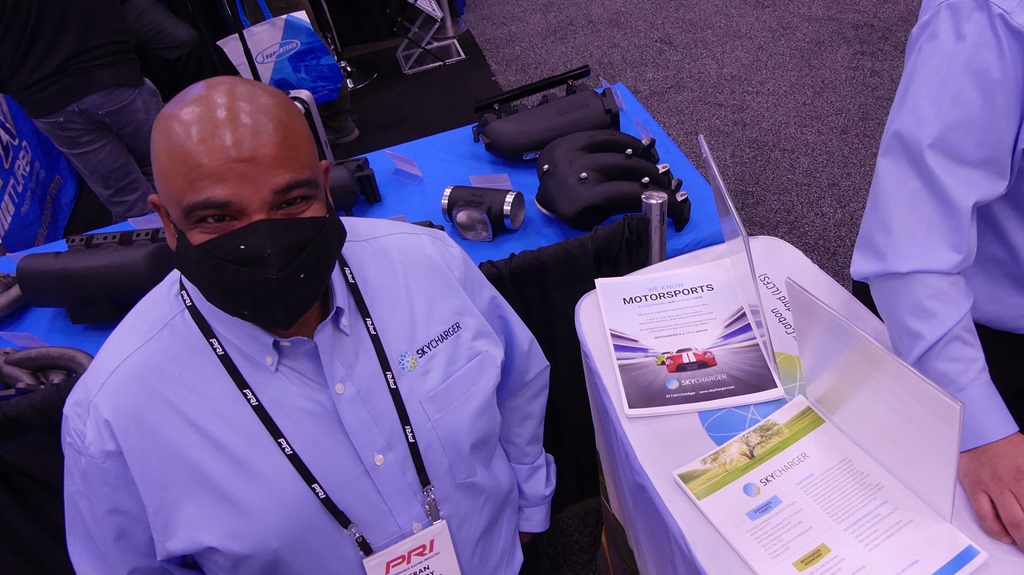
Tracks will get plenty of support from companies such as the above one to ensure that they can support EV racers and fans that have adopted EVs for their personal transportation to and from the track.
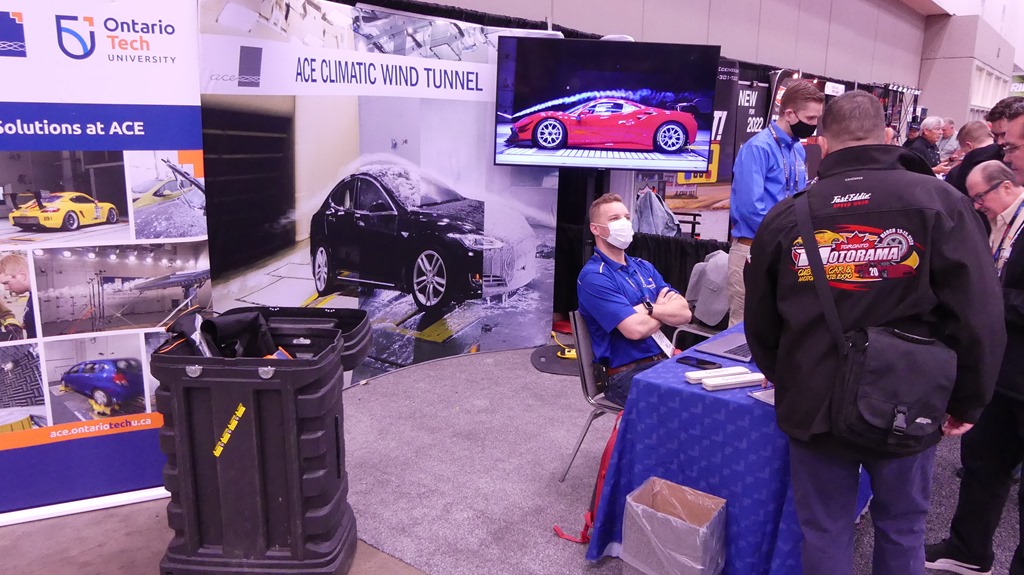
The above Canadian company provide environmental testing for many vehicles, including EVs that allow for tests of their temperature limitations and adverse environmental capabilities.
Any of us that have experience on track are familiar with knowing the significance of corner worker flags that warn drivers of on-track events requiring caution. The use of signal flags in racing events have been used for at least 2000 years and should leverage the technologies that are available to us today. The company Raceiver-Flagger has a solution that allows warnings and informational signals to drivers that have traditionally been conveyed to drivers exclusively by flags to now be transmitted to each car automatically. This capability is coming to a race track near you soon.
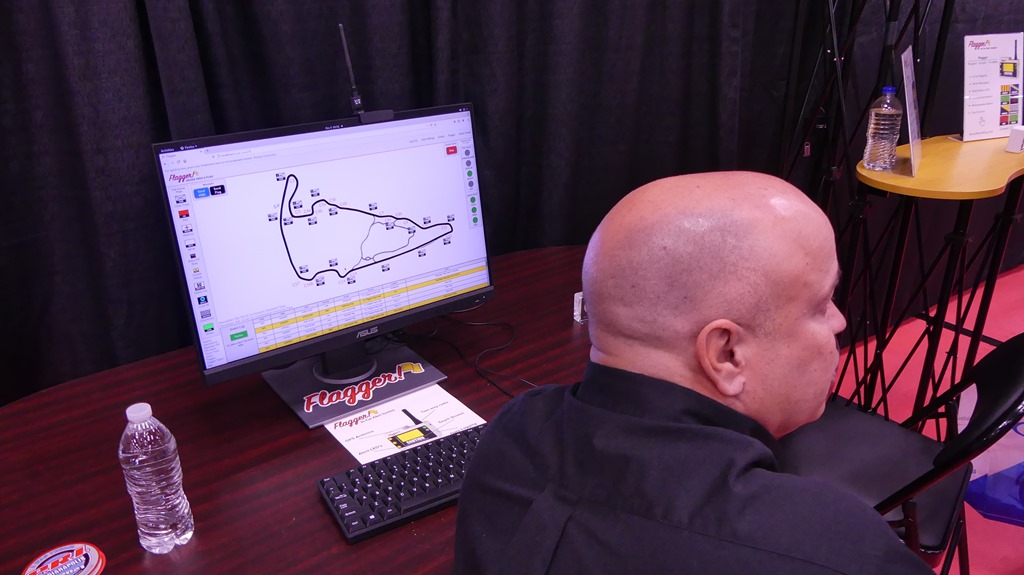
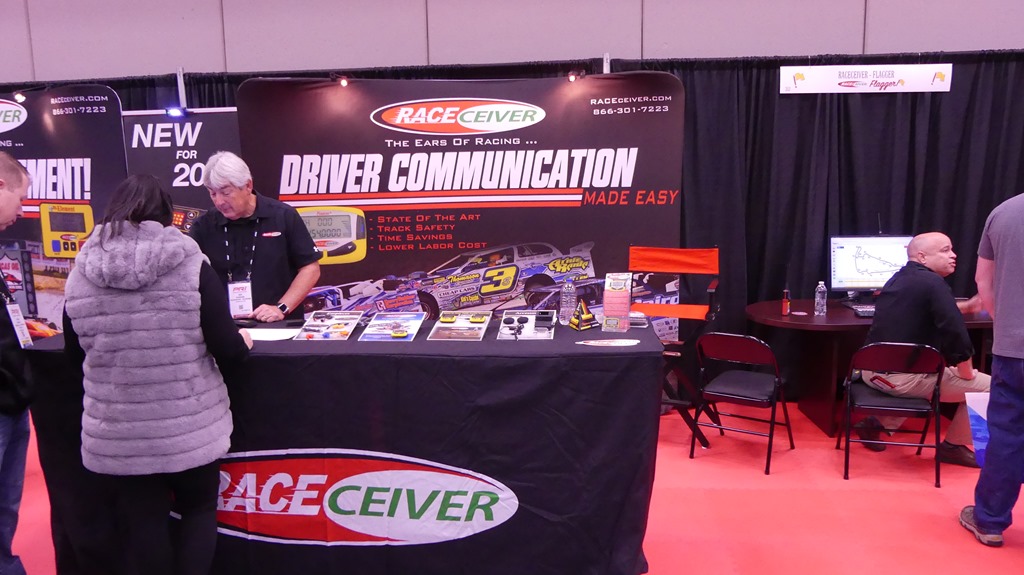
This will not only provide important driver information with speed, but clarity.
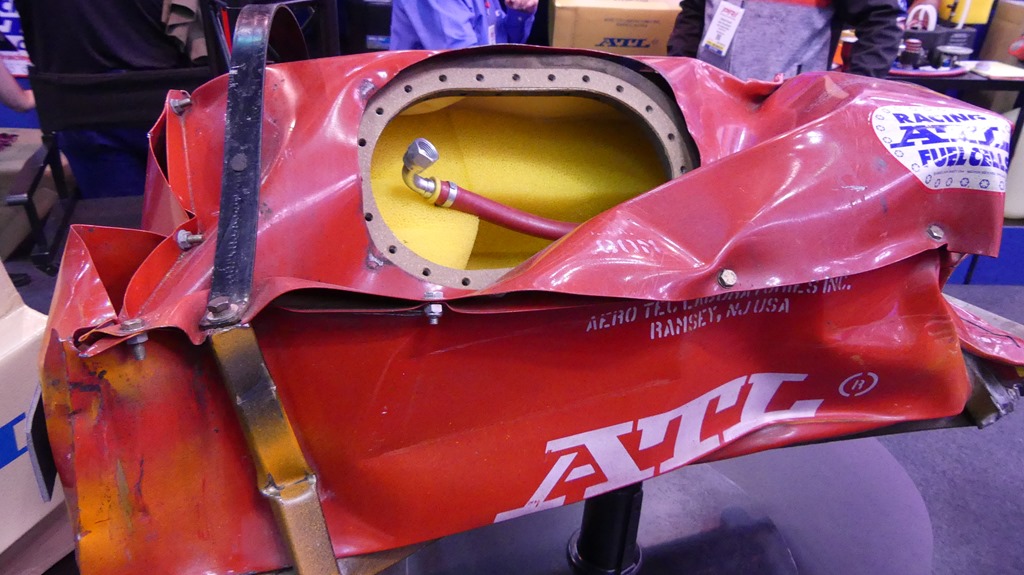
Safety to protect drivers and crew from the hazards of fuel have been paramount and ATL has been a leader and innovator in the quest for safety.
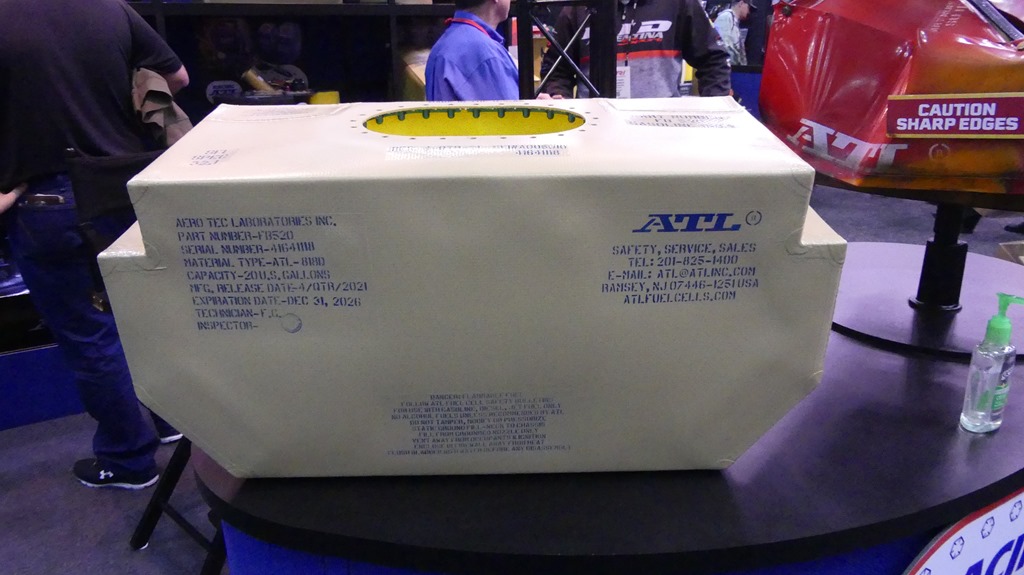
Here is an example of what kinds of forces their product must sometimes endure.
And here is a view of the complexity of a fuel safety cell.
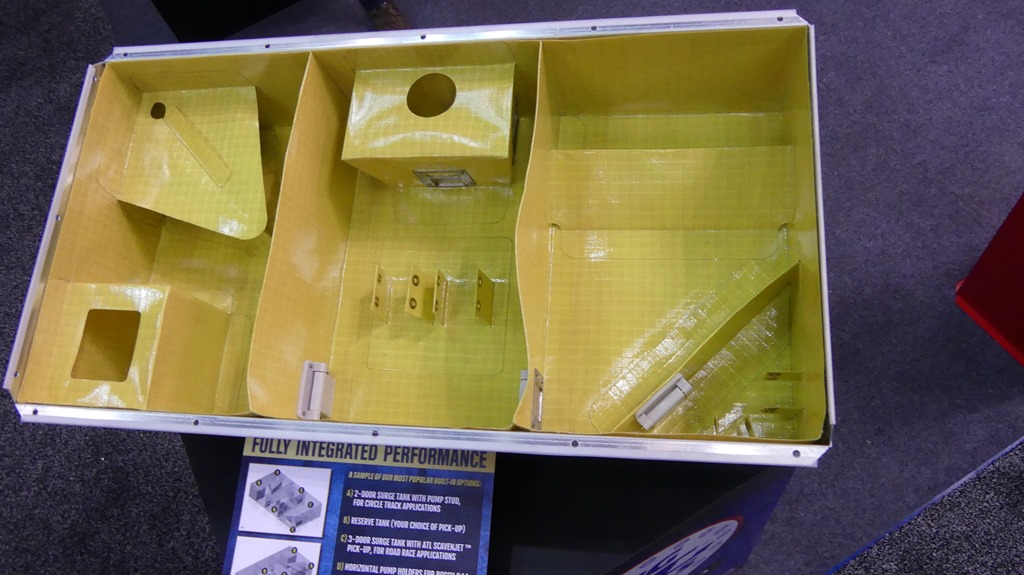
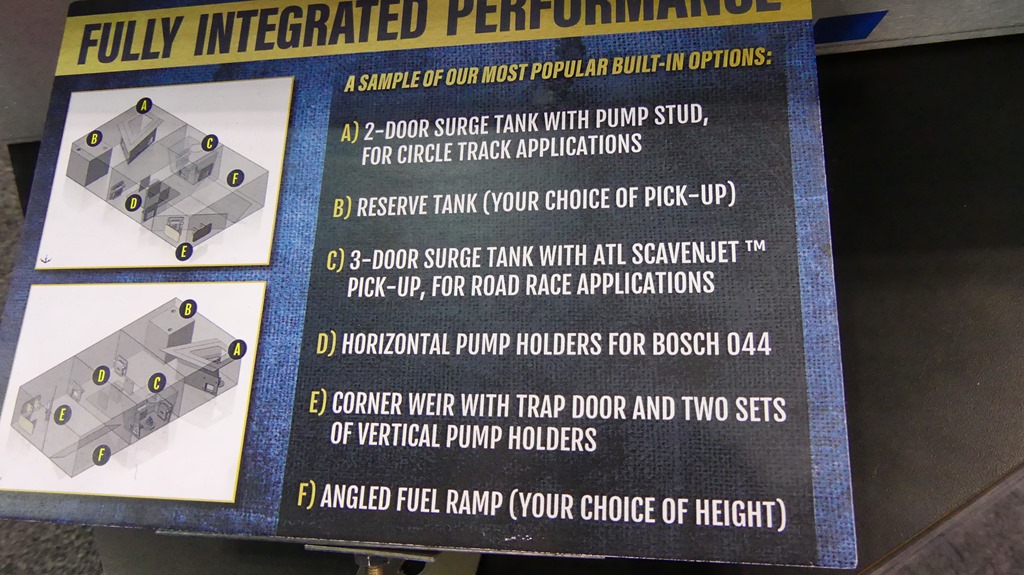
Who knows what innovations will come about to protect drivers and crew from the fuel dangers of EV’s fuel.
There are plenty of race cars on display at PRI and this year Penske shocks included a Mercedes F1 car previously used by Lewis Hamilton.
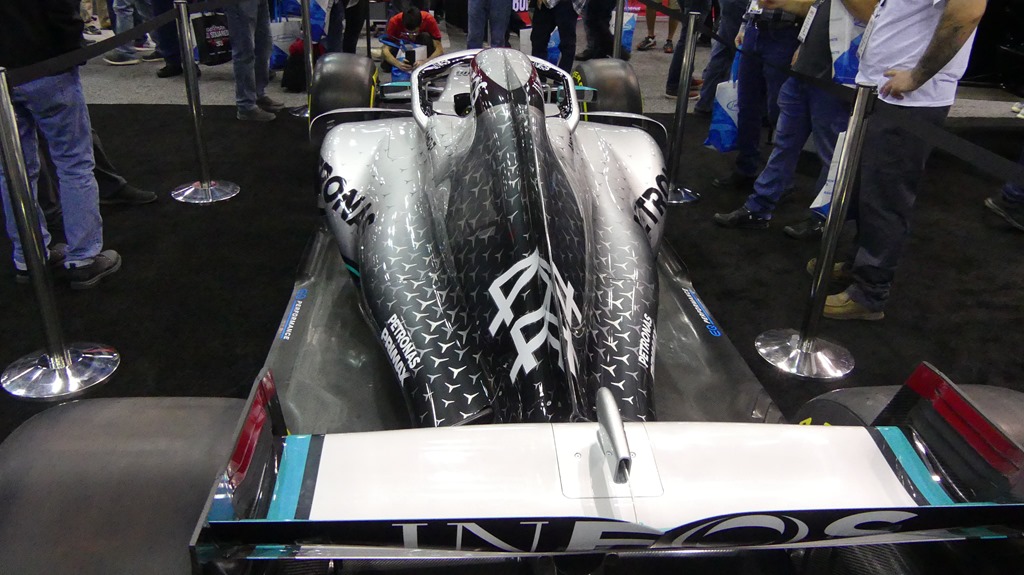
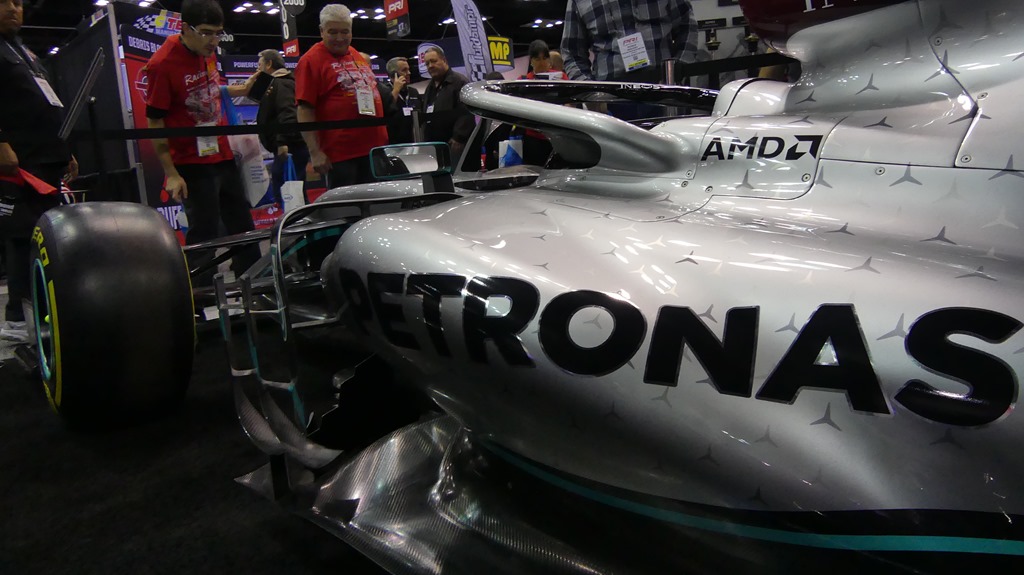
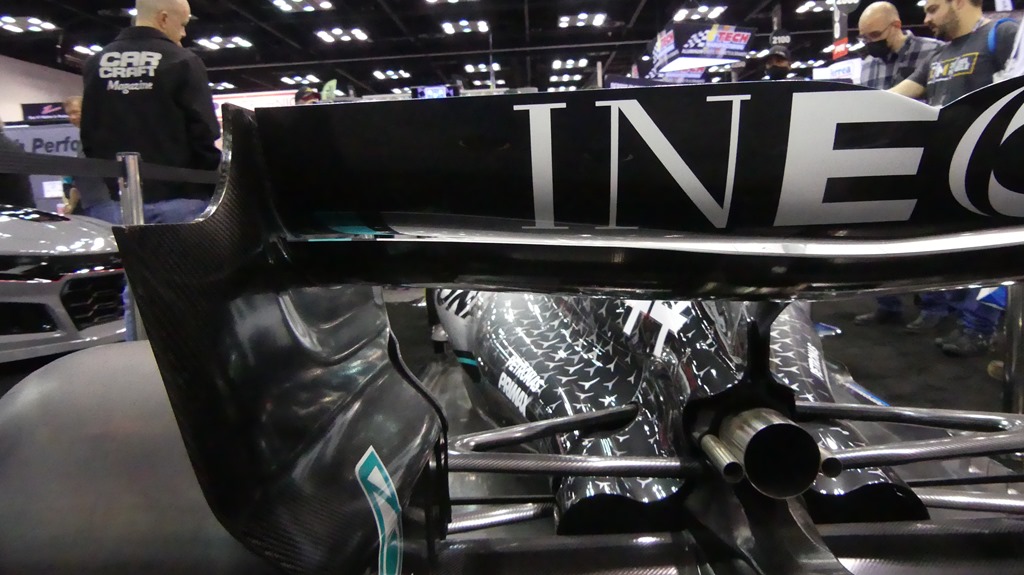
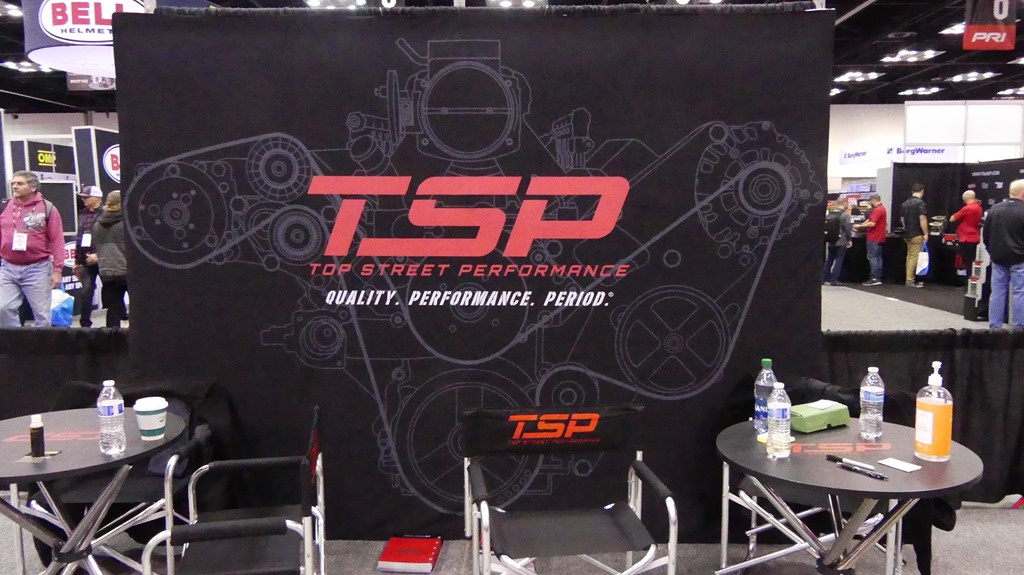
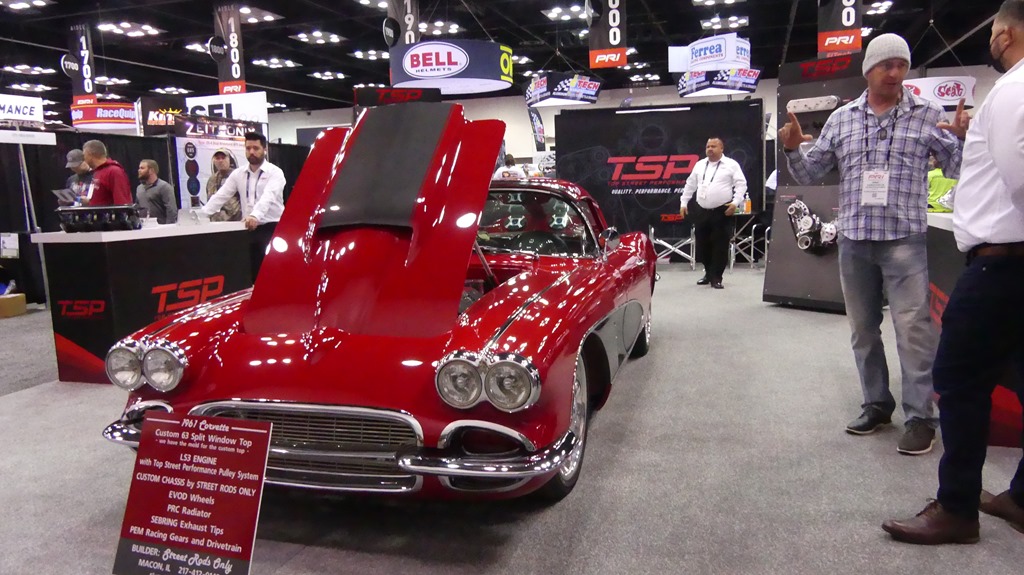
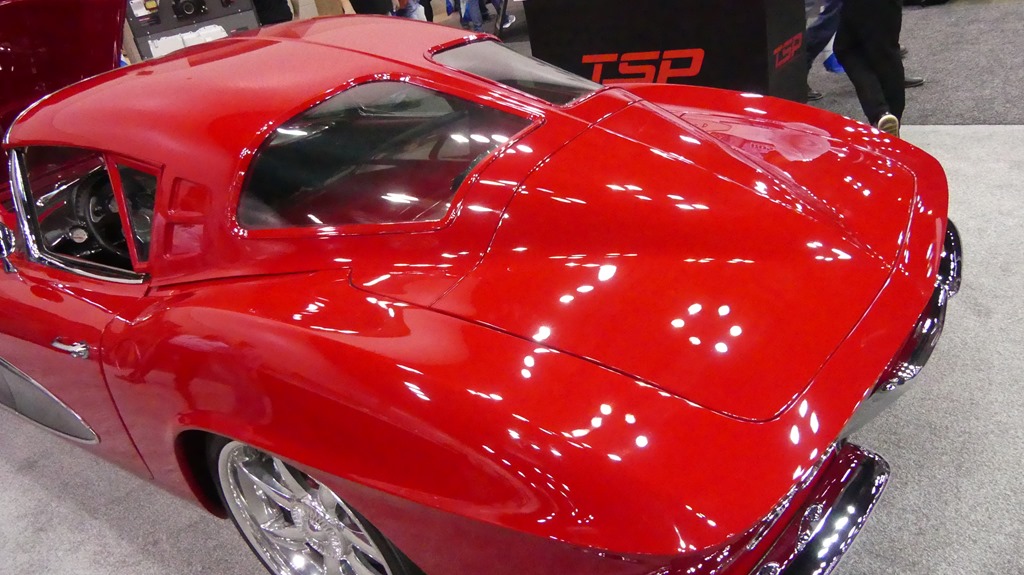
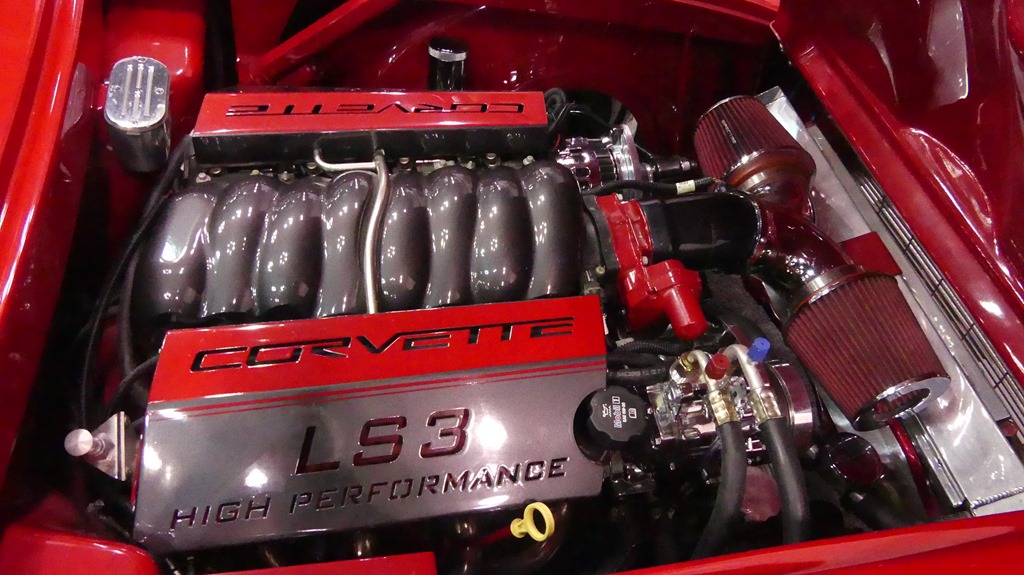
Here was another car at another display. It was a split window Corvette with an LS3 engine in it.
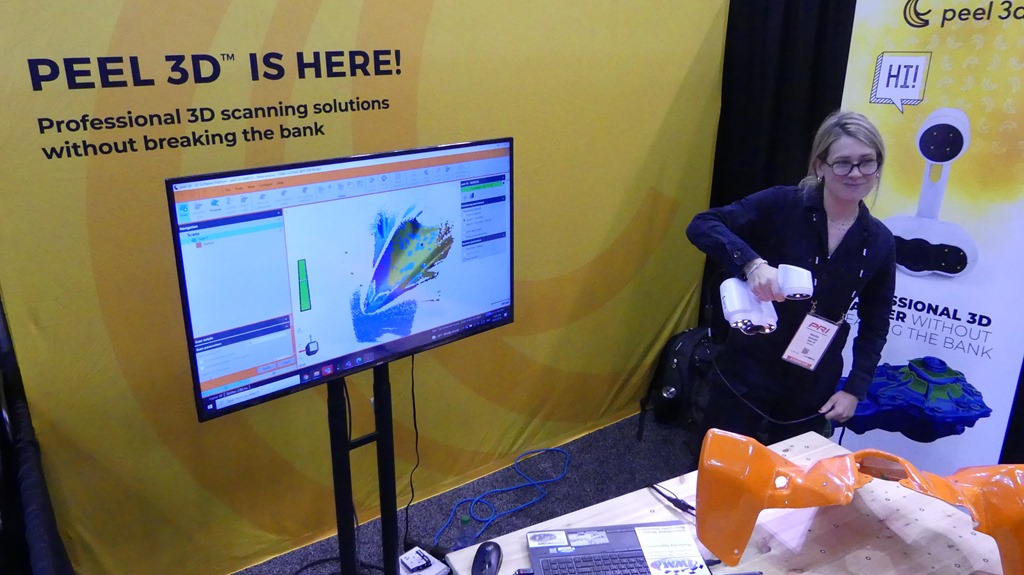
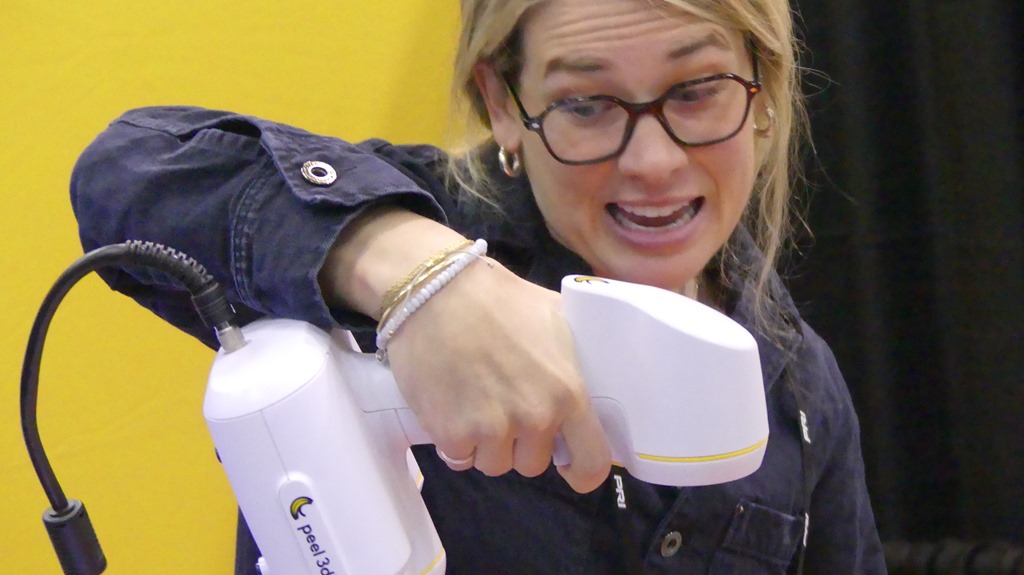
3D printing technology, also known as additive manufacturing often requires capturing a 3D image of the part you need to reproduce. PEEL 3D has an affordable solution that consists of a 3D scanner as well as software to complement the package.
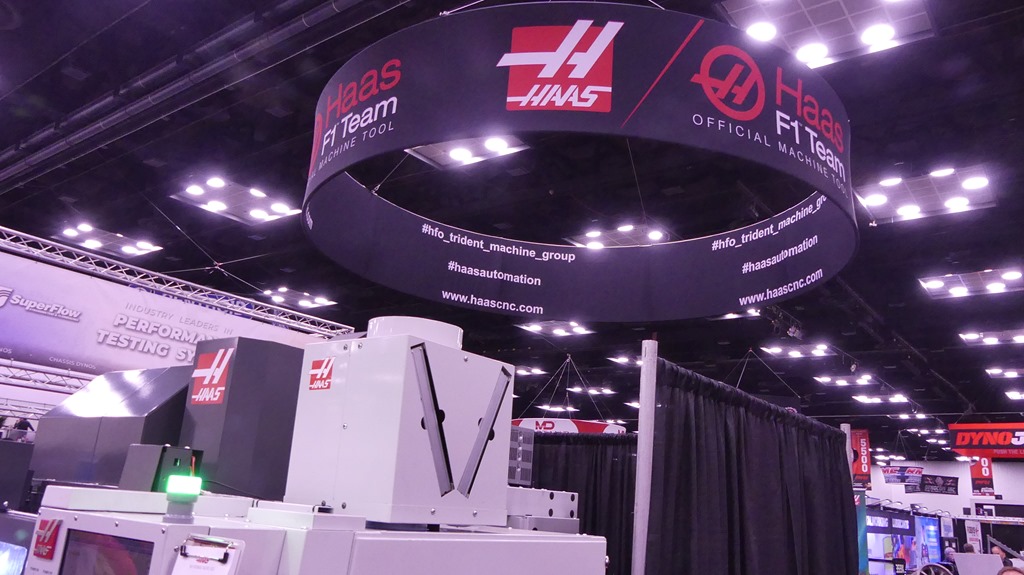
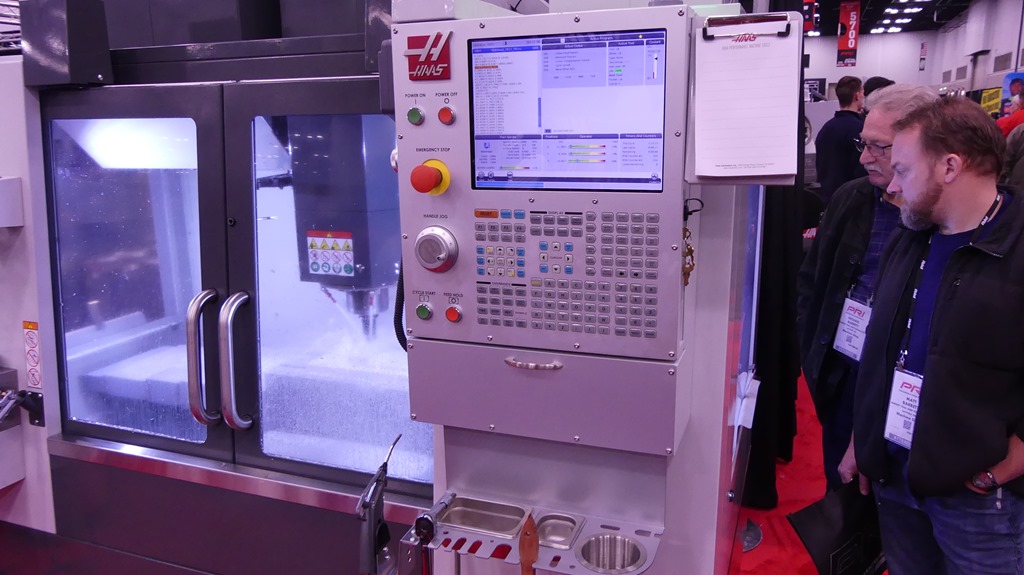
The only USA Formula 1 team is HAAS and this company has some amazing machine tools.
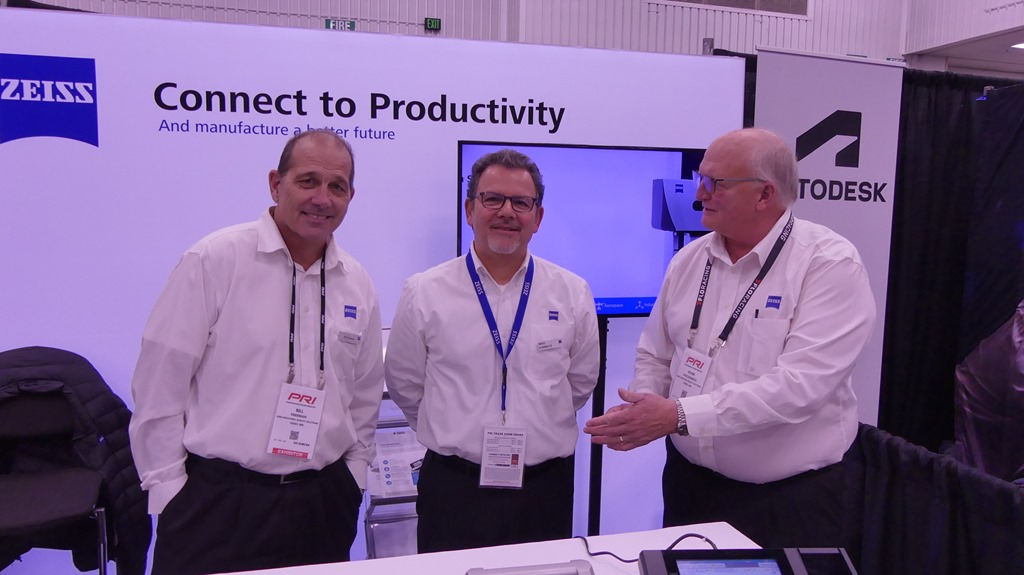
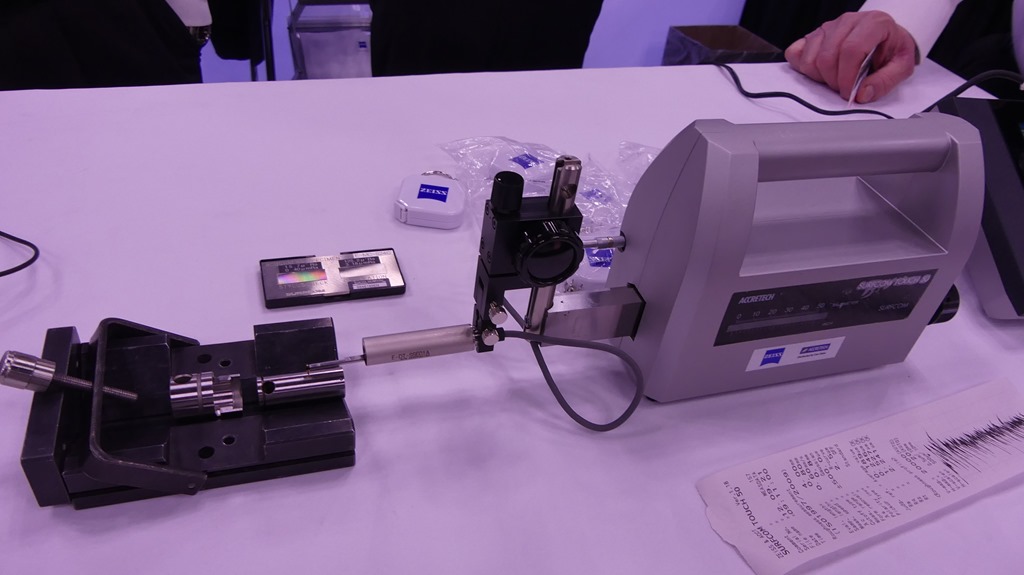
The guys at Zeiss are known for their optical expertise.
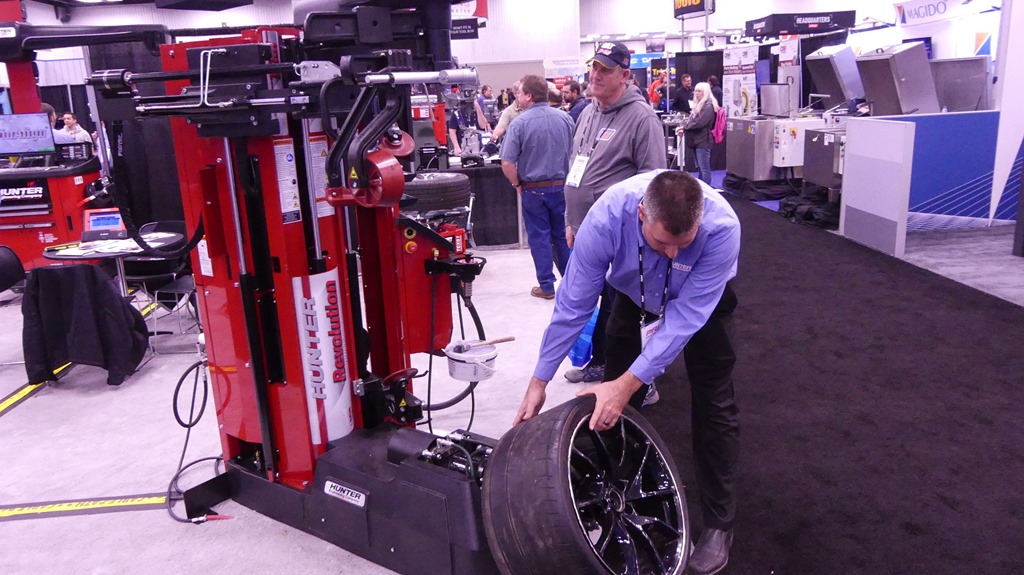
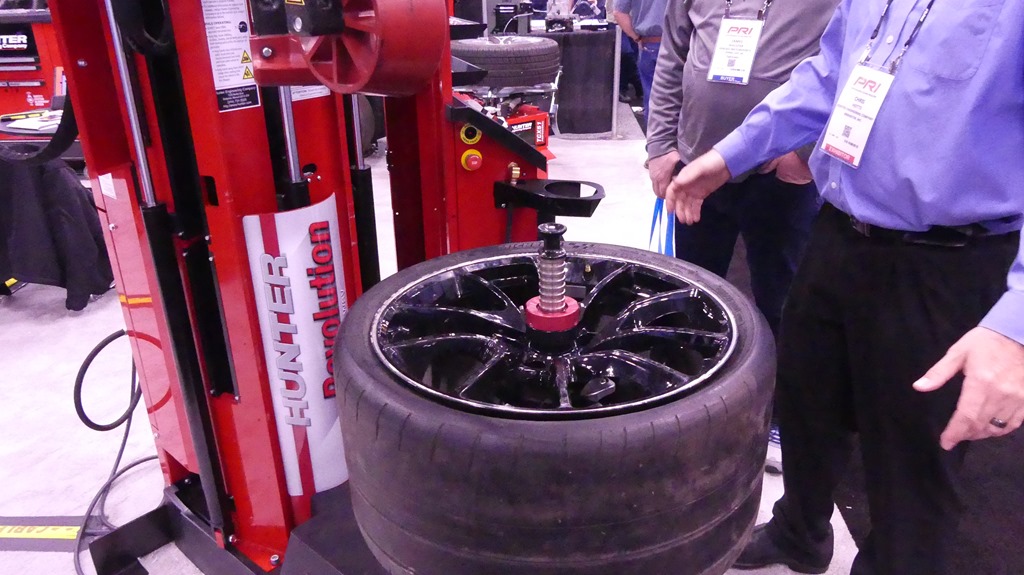
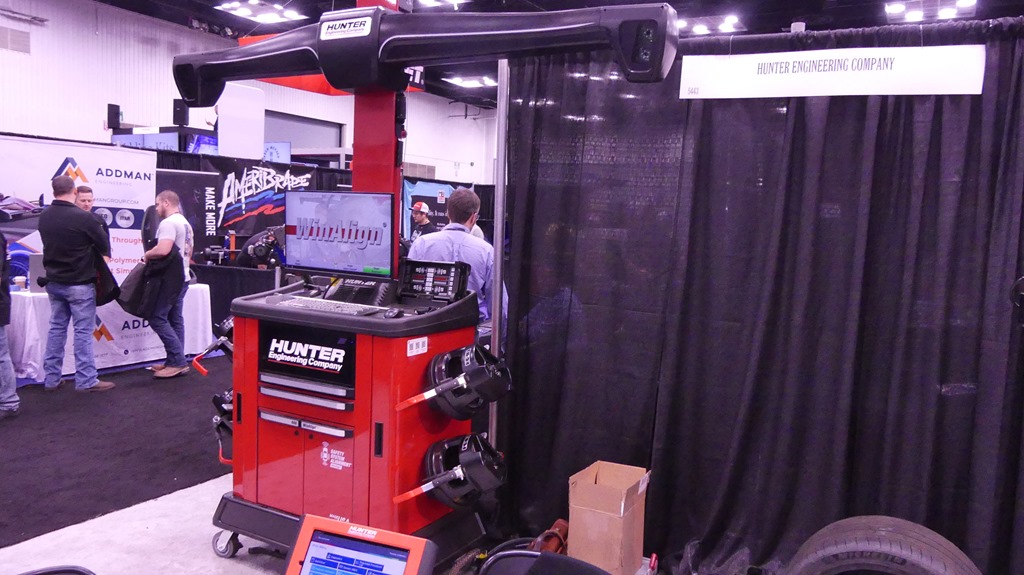
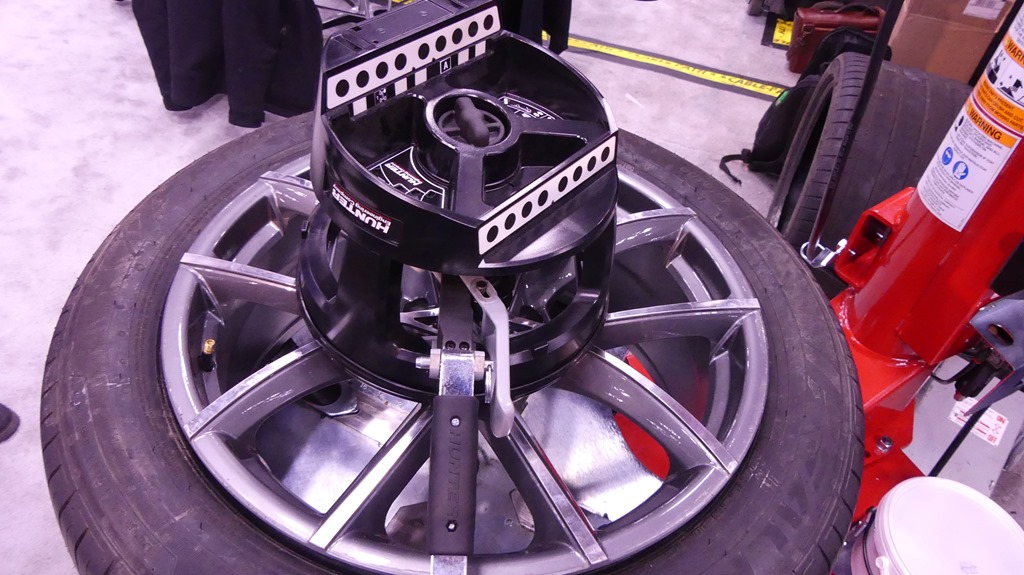
The folks from Hunter had their latest tire service technology on display and I was challenged to provide them with tough questions that might stump them. I never could. They have some mighty fine products.
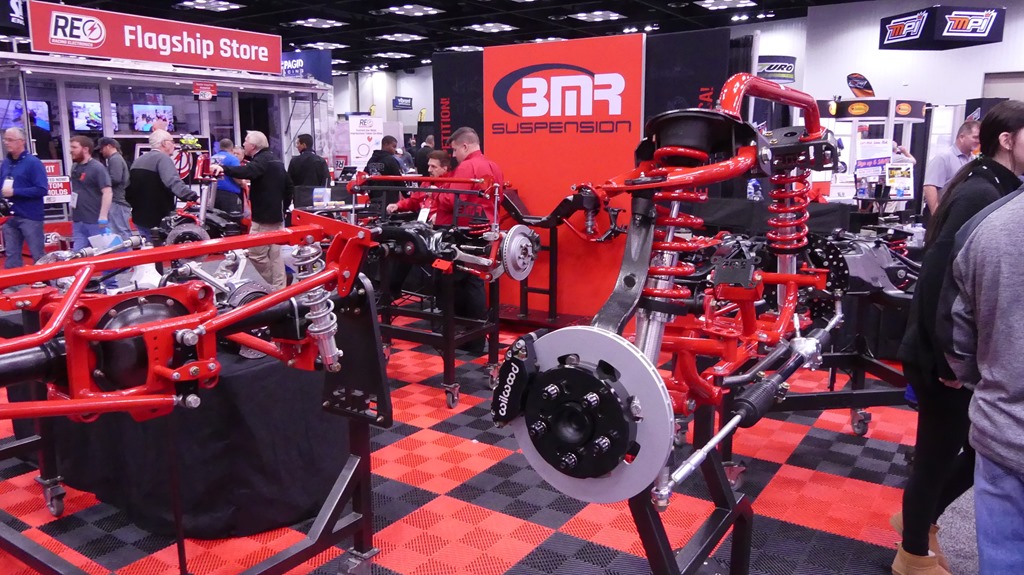
While American car classics from the sixties are still in demand the trend is to resto-mod them to keep the look, but ensure that the suspension and braking technology used is up to the task demanded by the modern driving environment.
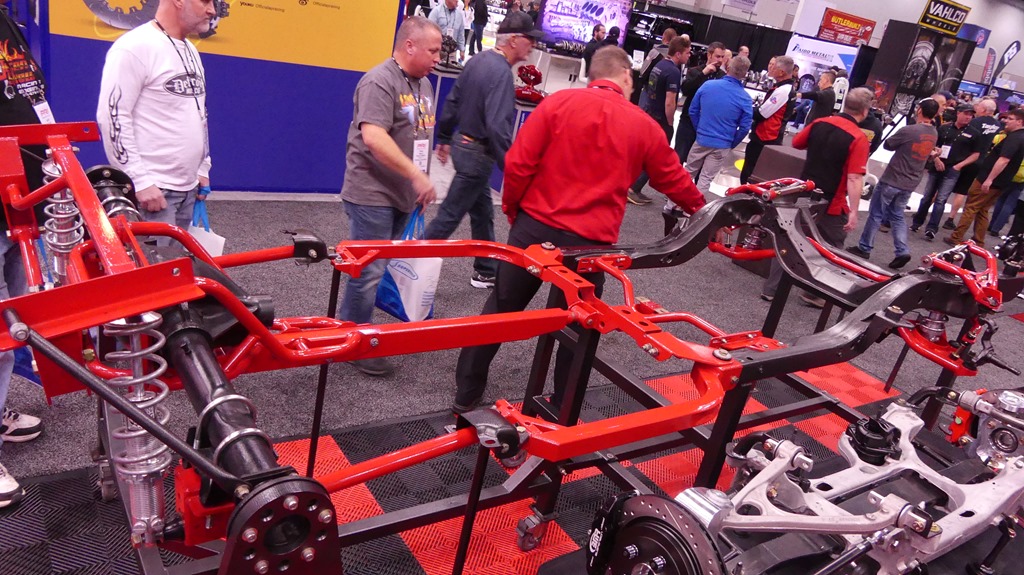
QA1 is a similar company.
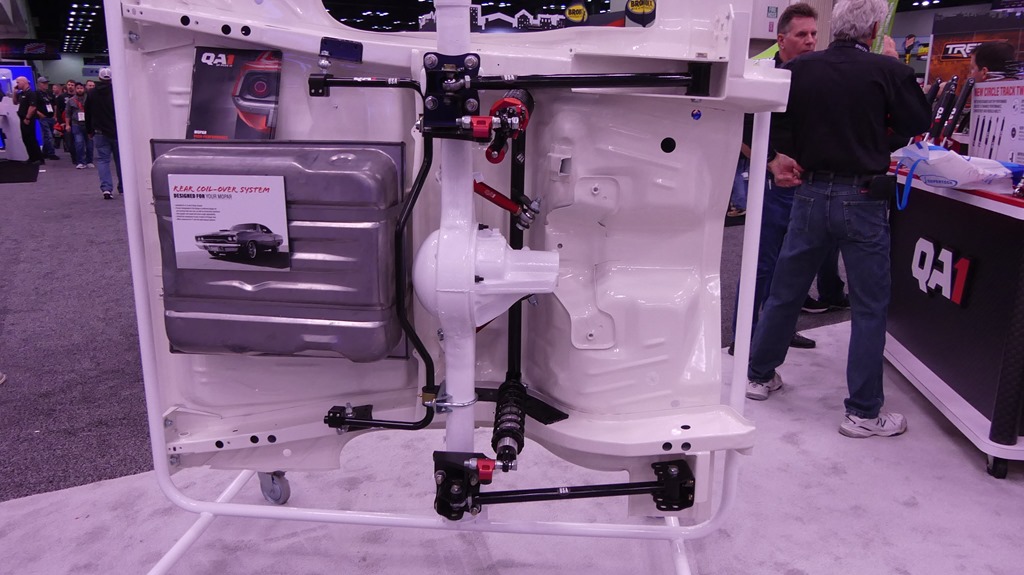
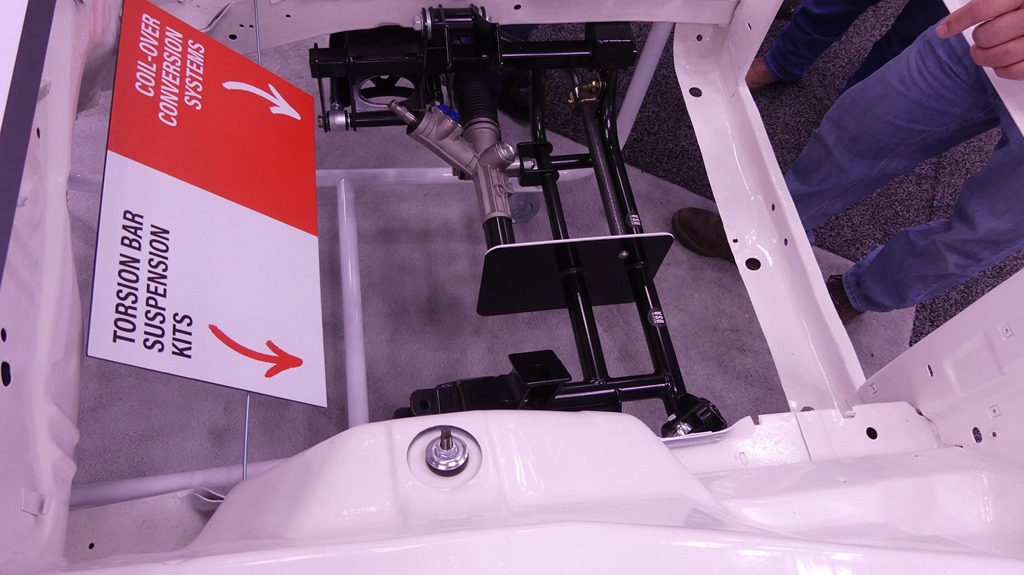
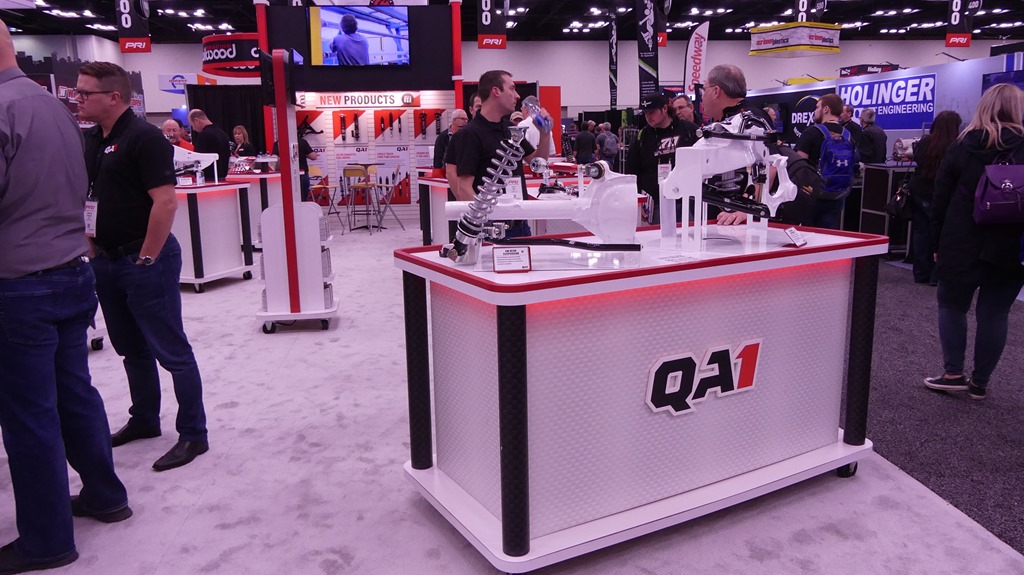
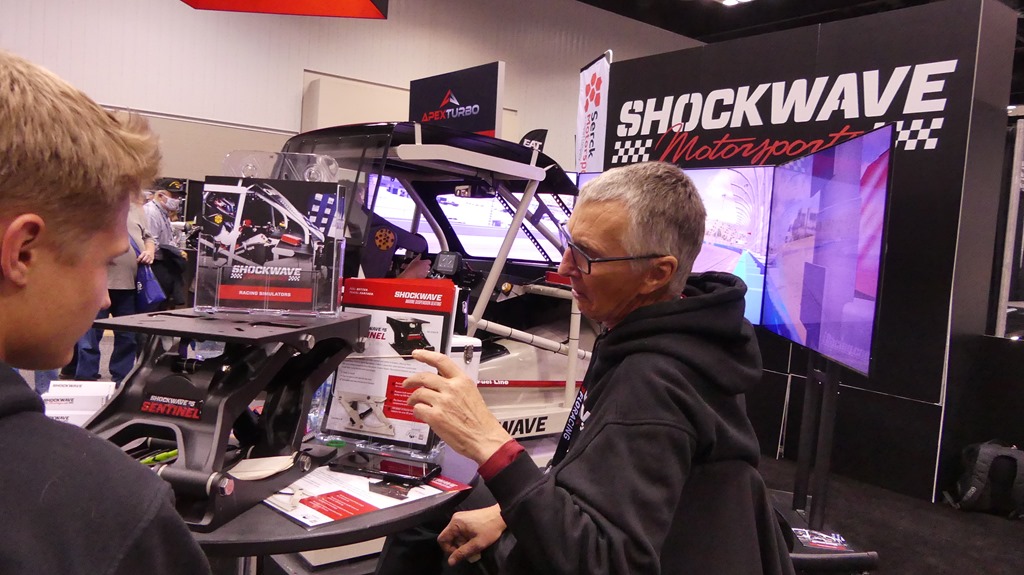
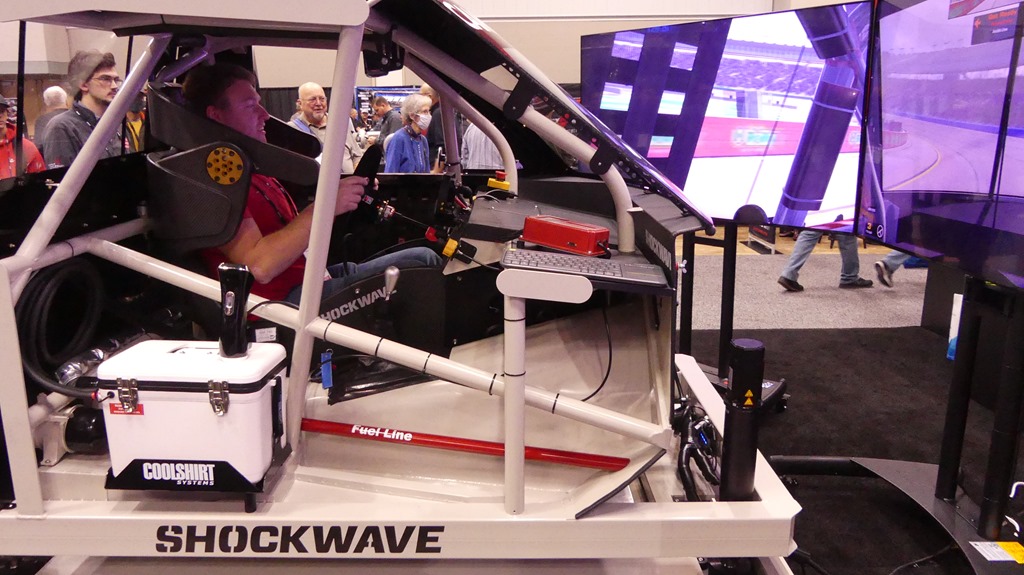
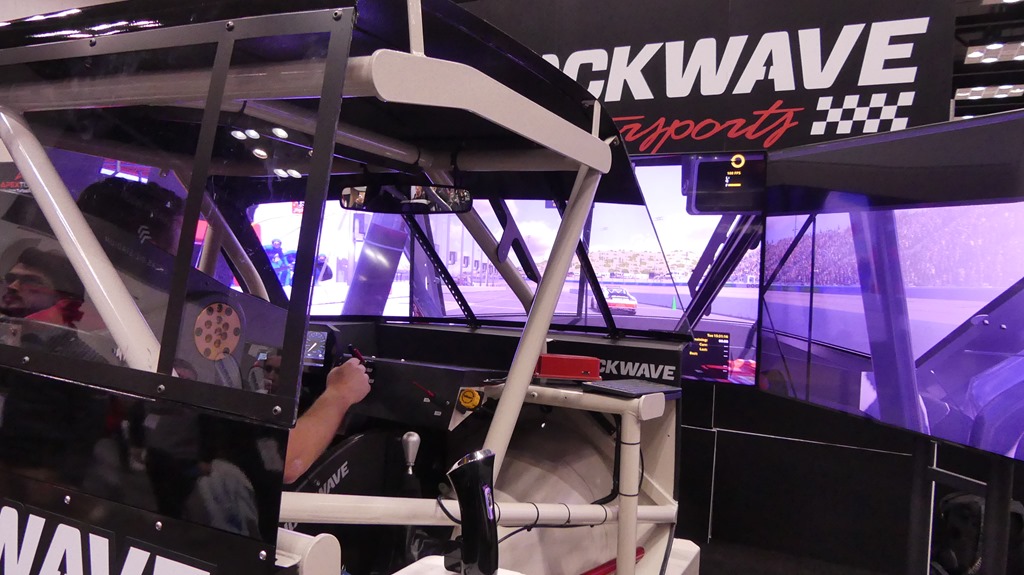
SHOCKWAVE provides an incredibly realistic driver simulation with multiple screens, realistic sounds, real dramatic movement and a safe learning experience for the driver.
I took a walk over to the Lucas building and passed several race cars of past history.
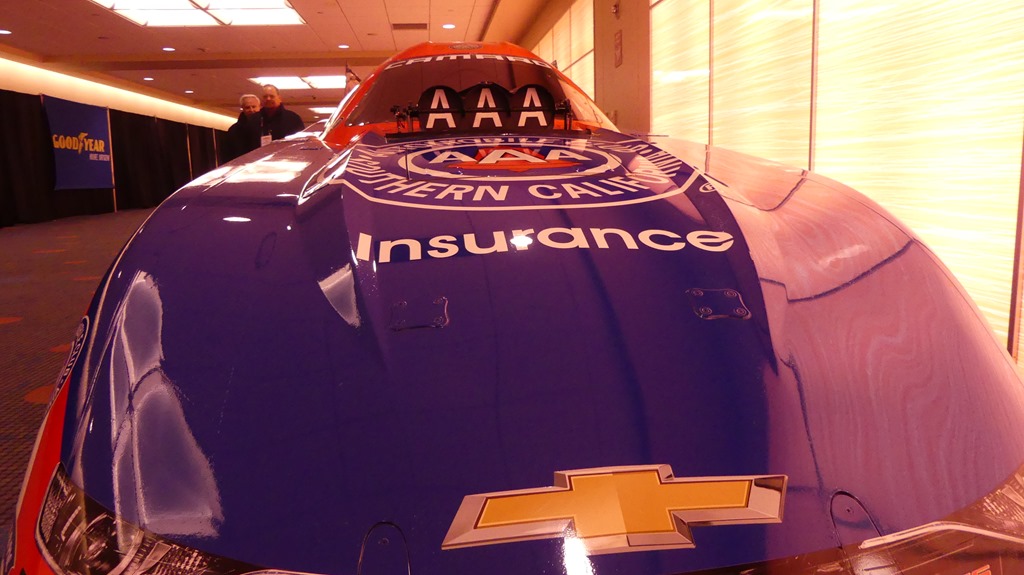
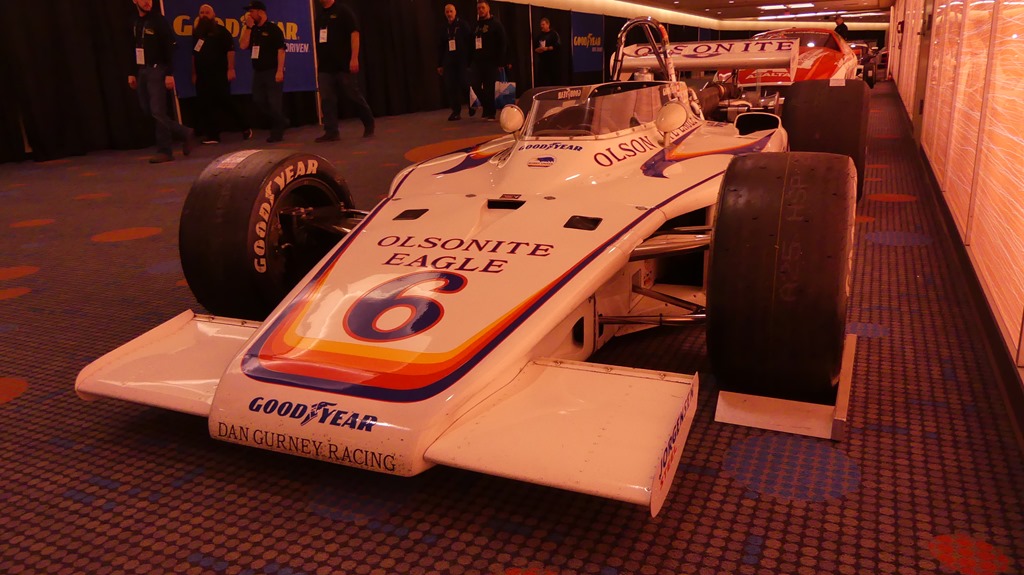
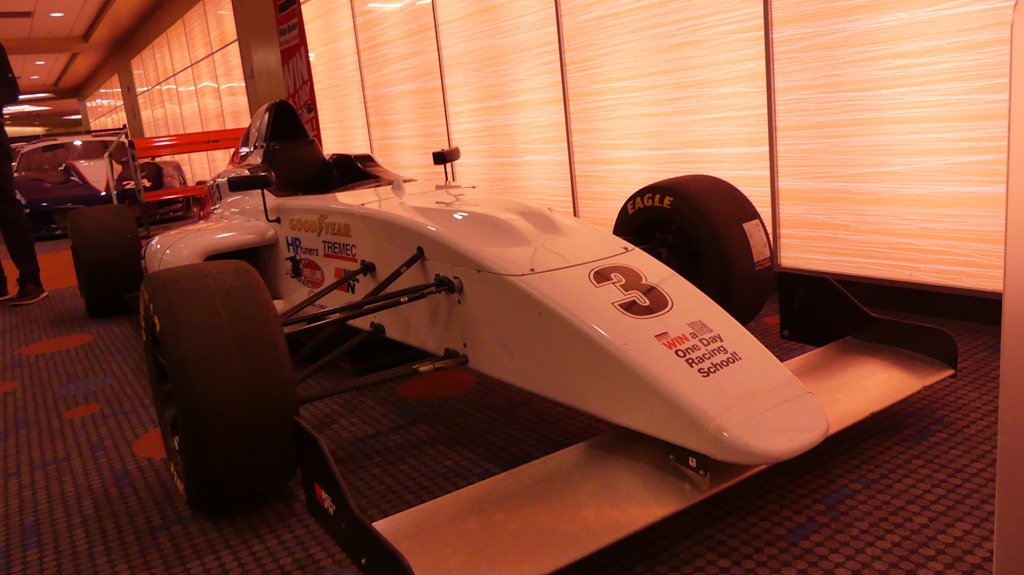
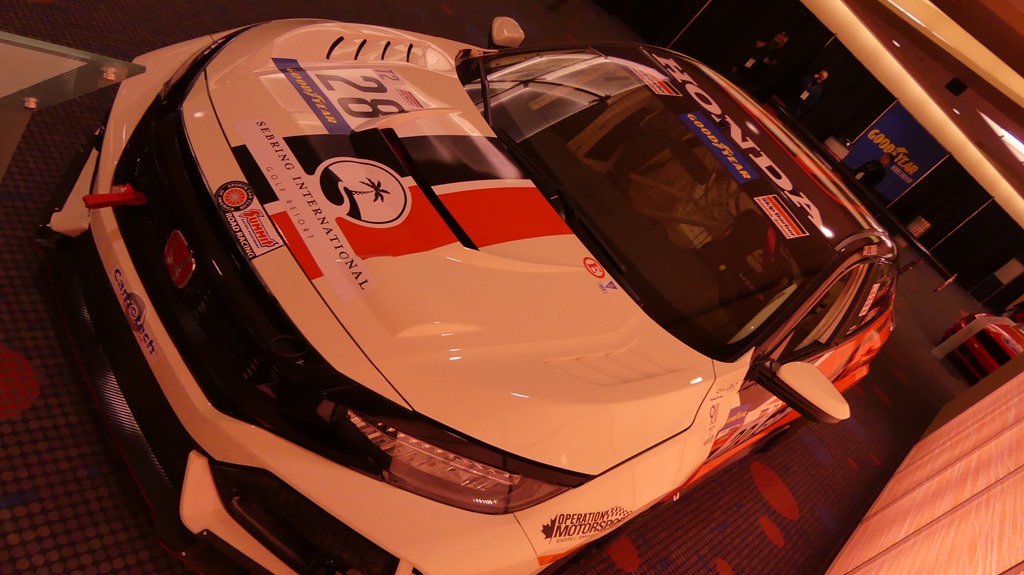
Great race cars to browse as I headed for the building…
Wait, what is this?
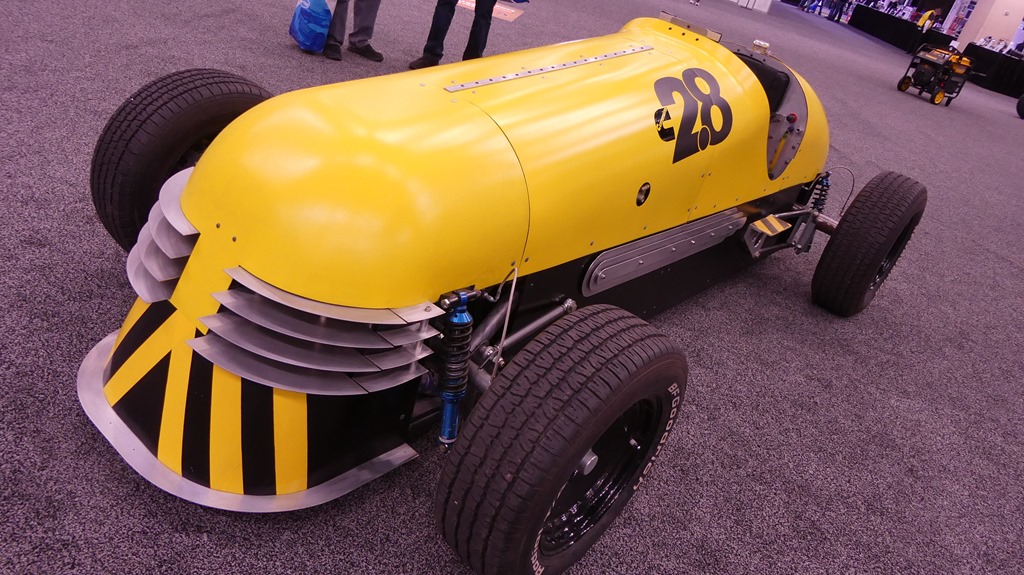
Is this a classic race car from the 1930s?
Hmmm…
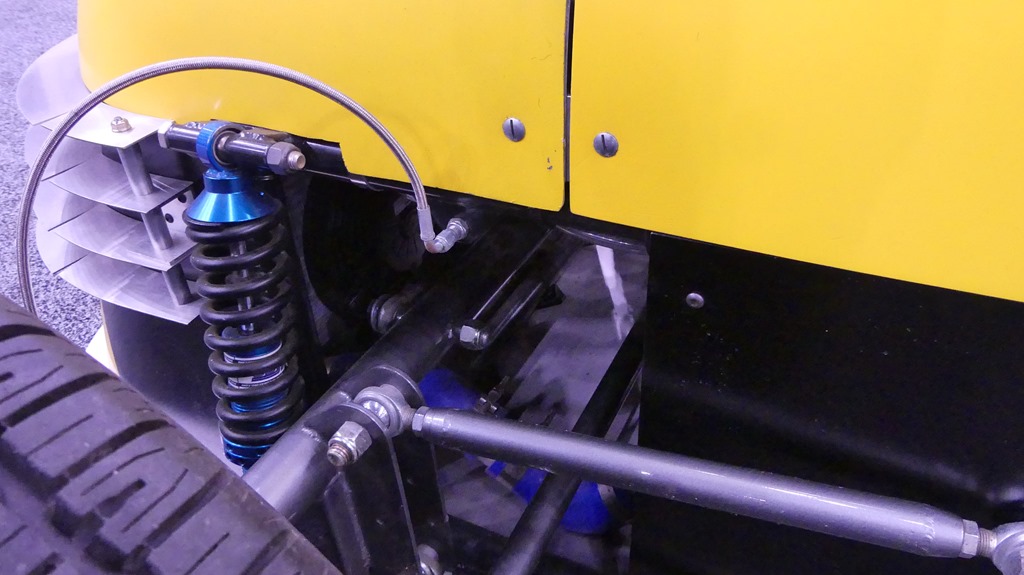
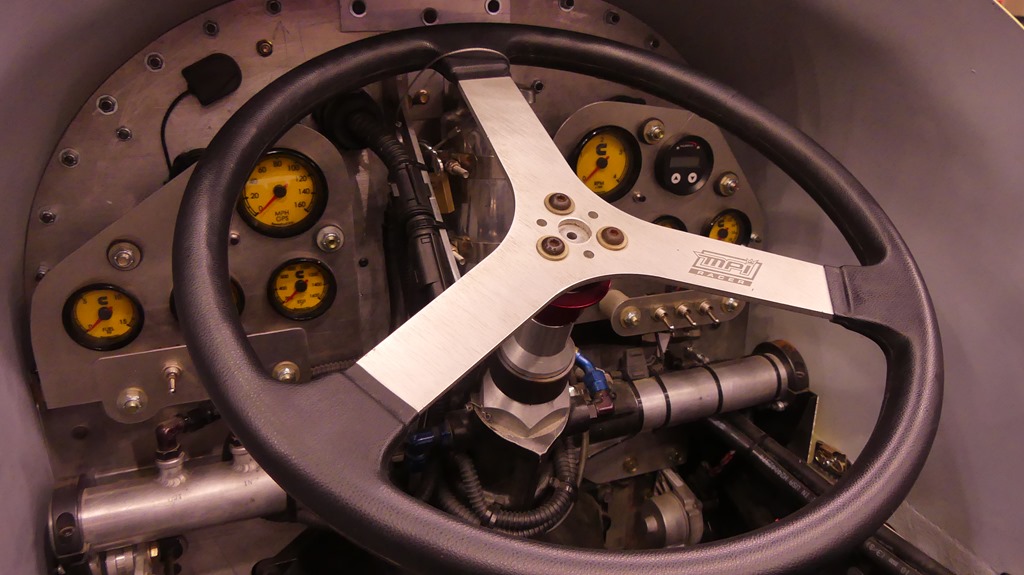
Wait. This is some modern stuff here.
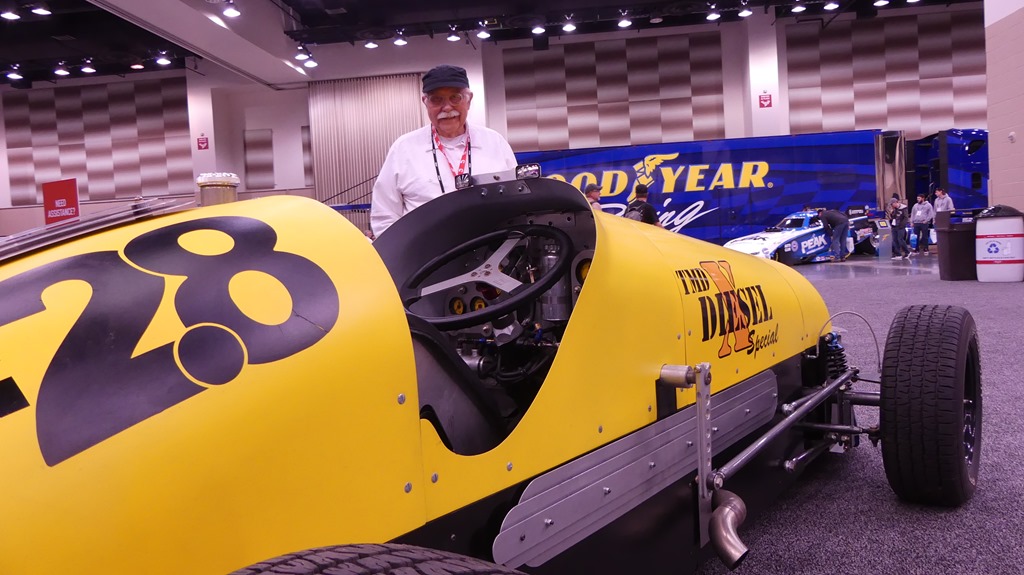
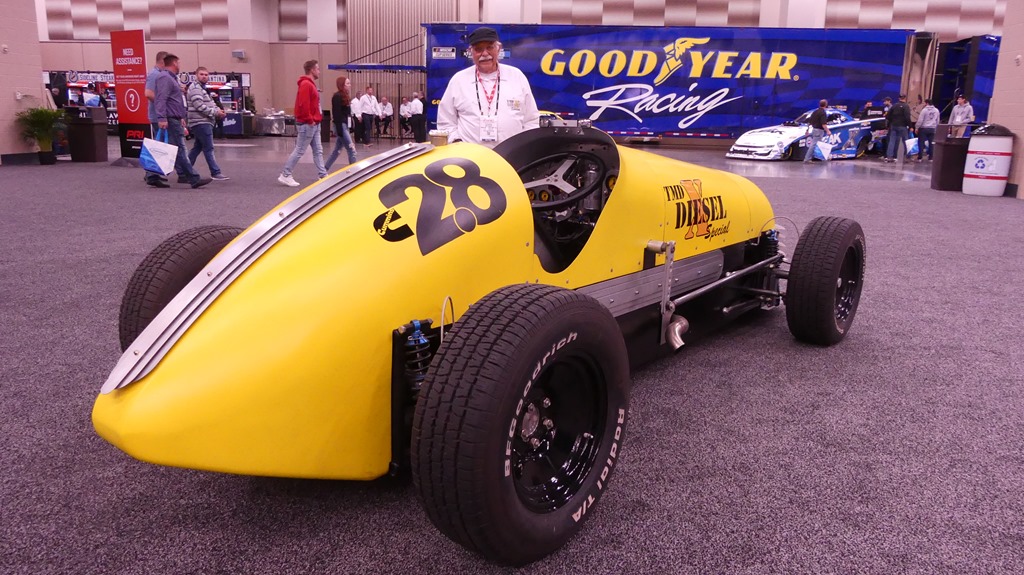
Who is this guy?
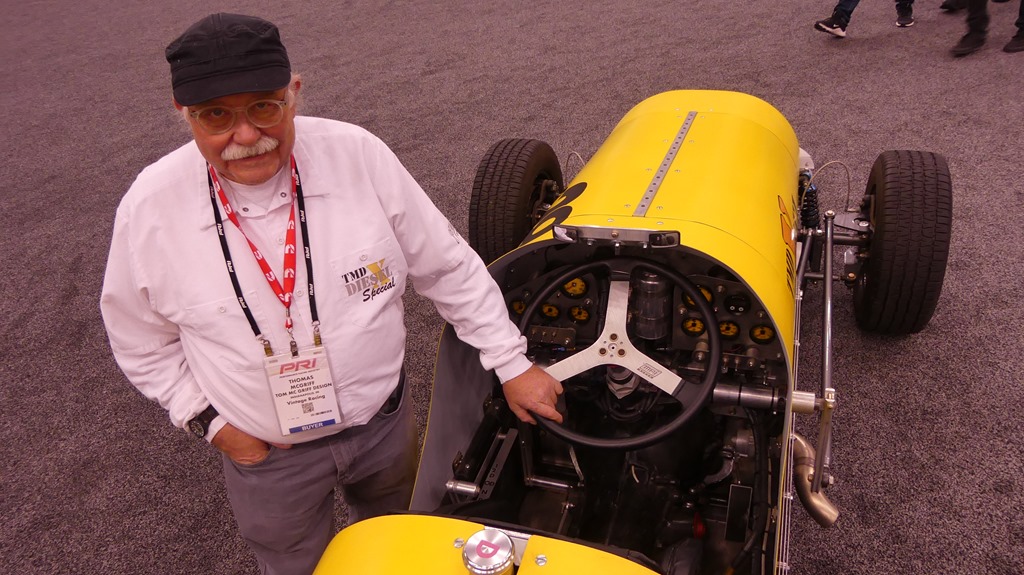
Why its Tom McGriff of Tom McGriff Design! He designed and built this 30’s style roadster with a Cummins 2.8 liter diesel and has driven it on many race tracks around the US. Congratulations Tom on your artistic skill and engineering creativity!
PRI is not over folks. I will explore the halls for you tomorrow!

 JIM'S GARAGE
Leave a comment