

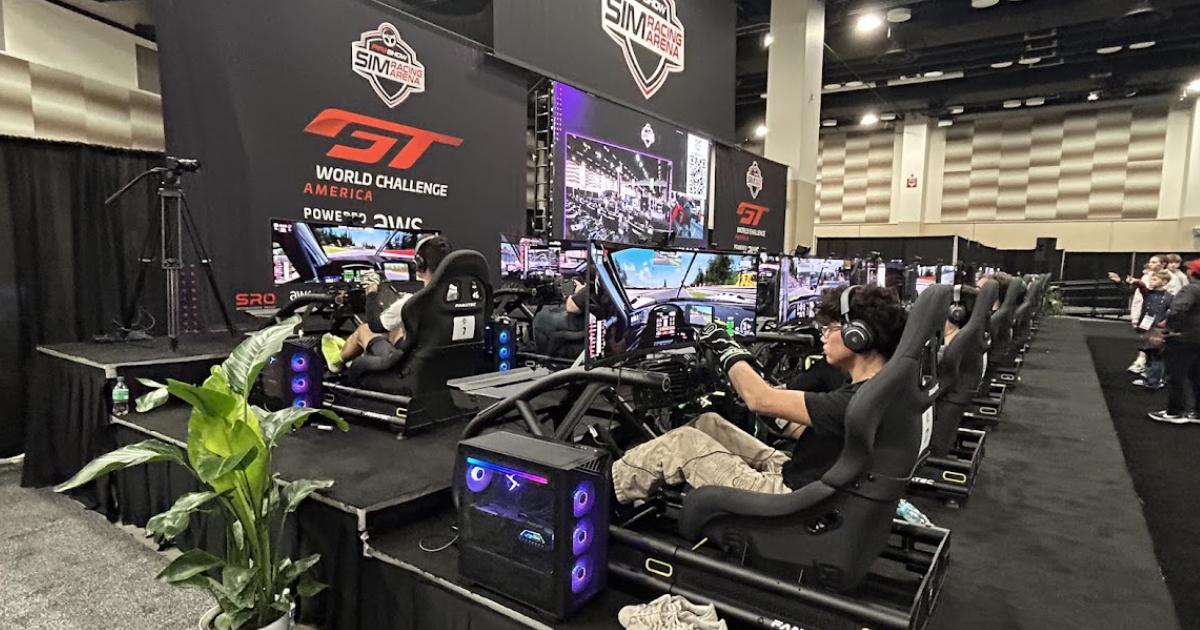
If Part 1 was about whether sim racing can open the door to motorsports, Part 2 is about what happens after that door cracks open. Because getting noticed is only the beginning—and in many ways, it’s the easy part.
The uncomfortable truth is that sim racing has done a great job of democratizing visibility, but not ownership. The cost of racing doesn’t disappear once talent is identified. It simply shifts forward in the process. And that’s where many promising drivers stall.
What “Getting Noticed” Actually Means
One of the biggest misconceptions around sim racing is that teams are constantly scanning leaderboards looking for the next star. In reality, “getting noticed” usually means something much more specific—and much less glamorous.
It often starts with:
- Strong results in structured, high-level leagues
- Clean racing and low incident rates
- Consistent pace across long races
- Professional communication and feedback
Random online wins don’t carry much weight. Teams and manufacturers pay attention to organized environments where race control, rules, and data resemble real racing. That’s why top splits, invite-only leagues, and manufacturer-backed series matter far more than public lobbies.
This is also where platforms like iRacing stand out. Their licensing systems, safety ratings, and detailed telemetry make it easier to evaluate drivers objectively—something teams value immensely.
Esports to Real Racing: How It Actually Happens
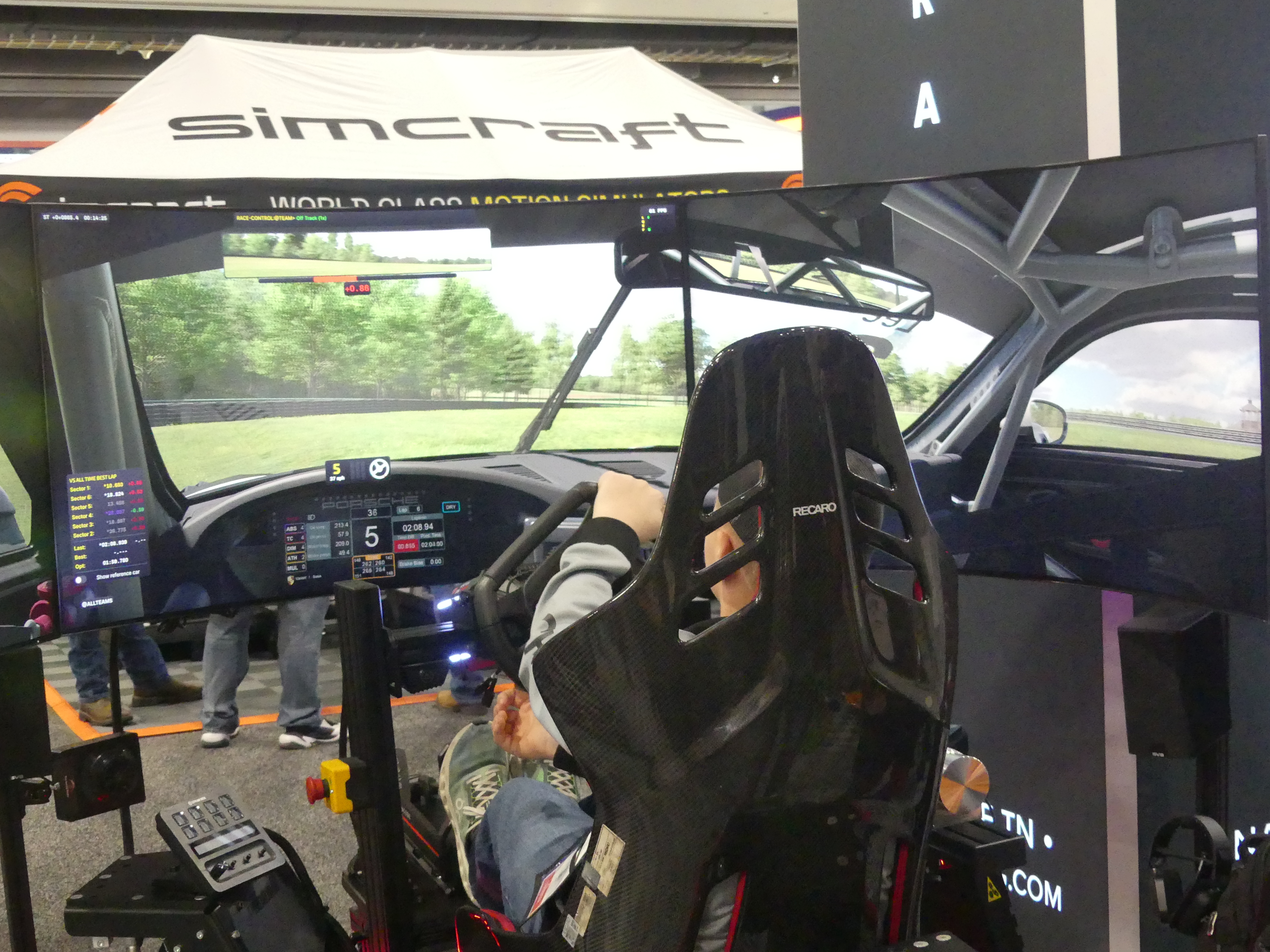
The leap from simulator to race car rarely happens in one jump. It’s usually a staircase.
For some drivers, success in F1 Esports Series has led to test days, junior programs, or simulator roles with professional teams. From there, a handful earn limited real-world seat time—often in Formula 4, GT4, or regional touring car series.
In sports car racing, manufacturer programs have increasingly blended sim performance with traditional driver evaluation. GT teams running endurance programs in IMSA or SRO series use simulators to:
- Scout potential drivers
- Train lineups for specific tracks
- Evaluate consistency under fatigue
For stock car racing, the path is less formal but still real. William Byron is the most visible example, but many late model and ARCA teams now use simulators as part of driver development and testing. Sim success alone won’t land a NASCAR seat—but it can get a driver in the conversation earlier than ever before.
The Real Bottleneck: Seat Time and Funding
Here’s where the pathway tightens.
Even when a sim racer proves they have the skill, the transition to real racing usually requires money. That might come from:
- Family funding
- Sponsorship
- Manufacturer scholarships
- Team-supported development deals
The problem is that most of these opportunities are limited and highly competitive. Sim racing can help identify talent, but it doesn’t pay for tires, engines, travel, or crash damage.
This is where many drivers plateau—not because they aren’t fast enough, but because the system still requires someone to write a check.
Sim racing lowers the cost of discovery, not the cost of participation.
What Teams Expect Beyond Driving Skill
When sim racers do get opportunities, teams quickly evaluate more than lap times.
They look for:
- Physical readiness – neck strength, endurance, heat tolerance
- Coachability – ability to absorb feedback and adjust quickly
- Technical understanding – how well a driver communicates car behavior
- Professionalism – punctuality, preparation, attitude
Sim racing builds mental skills exceptionally well, but physical preparation becomes critical the moment a driver climbs into a real cockpit. The drivers who succeed are usually the ones who treated sim racing as training—not entertainment.
Grassroots Racing Still Matters
For many sim racers, the most realistic bridge isn’t a factory deal—it’s grassroots racing.
Club racing, arrive-and-drive programs, and endurance racing series offer lower-cost entry points where drivers can prove themselves incrementally. Even a few strong weekends can matter more than years of sim results if they show adaptability and maturity.
Sim racing can make these opportunities more effective. Drivers arrive better prepared, learn tracks faster, and make fewer costly mistakes. That alone can be enough to justify giving them another chance.
Is the Path Expanding—or Narrowing?
Here’s the paradox.
Sim racing has expanded access more than ever before. More kids can develop real racing skills without spending real racing money. That’s a genuine step forward.
At the same time, the number of people trying to use this path has exploded. Visibility is easier—but differentiation is harder. The bar keeps rising.
The drivers who move forward tend to share a few traits:
- Long-term discipline
- Strategic race selection
- Strong communication skills
- Realistic expectations
Sim racing doesn’t reward shortcuts. It rewards patience.
The Bigger Question
Sim racing hasn’t solved motorsports’ access problem—but it has changed where the first judgment happens.
For the first time, talent can surface before funding decides the outcome. That doesn’t guarantee success, but it gives more kids a chance to be seen, evaluated, and taken seriously.
And in a sport that has always been defined by who could afford to show up, that matters.
The question now isn’t whether sim racing works. It’s whether motorsports is willing—and able—to build enough real-world opportunities for the talent it’s finally discovering.

 JIM'S GARAGE
Leave a comment