

I grew up in a small village called Osterville on Cape Cod. There were times when I felt I was stuck in a little village while the rest of America was passing me by. The Beach Boys sung about California Girls and hot rods. The important things in America happened in places like Boston or Washington, D.C., or Chicago, and Detroit.
In my village I walked most places through the woods and people’s back yards because in those days people didn’t care if you walked through their yard. It was an opportunity to say hello and pass the time of day. I would go down to the boat shops and watch men turn wood into boats. The smell of saw dust and the ocean filling my lungs.
Dogs were never on leashes and you knew all their names. If you found an empty Coke bottle you could turn it in for three cents. So with two turned in and six cents in your pocket you could go to the counter at Peggy’s and buy a root beer for a nickel.
I would go home and have supper and then watch some TV where all the really cool things in the world were happening. I yearned to be somewhere else where the world was really happening. Not the little village where I was stuck.
Now all that has changed and the village I grew up in has become precious memories of a time when things had much more value than I had ever imagined. Today it has been transformed into a fashionable zip code. Where once I would walk around the village and know most everyone by name and be recognized in return, no one knows who I am nor recognizes my family name.
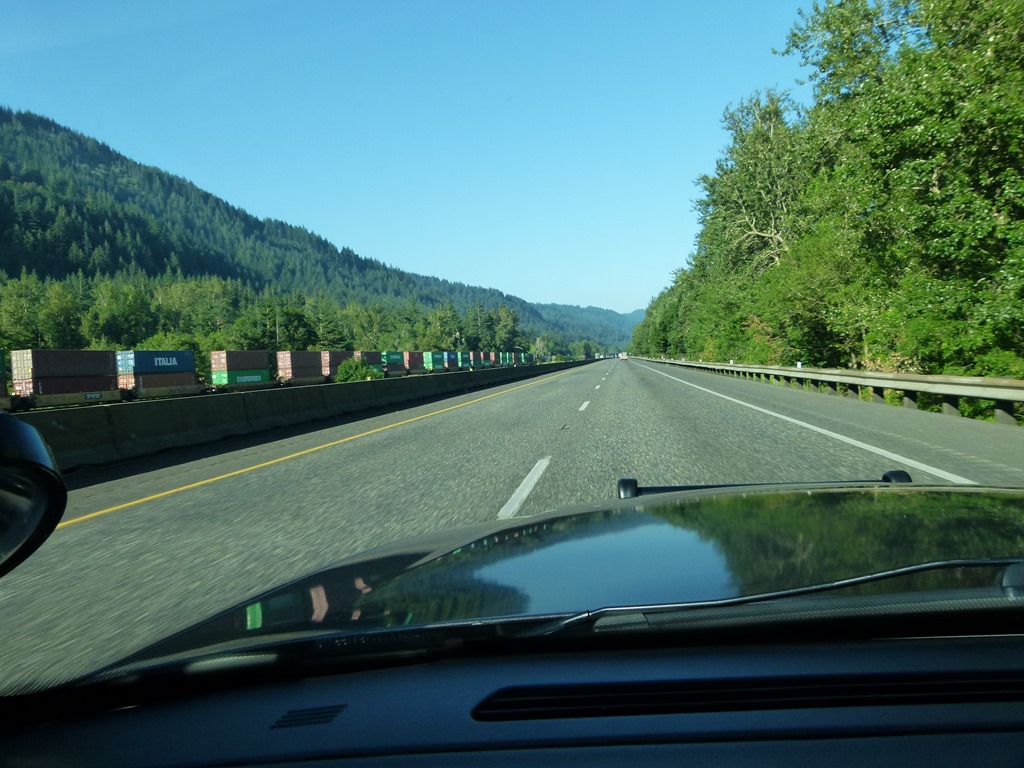
So while I was in the state of Washington I made it a point to find the village of Oystervile. My own village was once named Oysterville, as well. As my grandmother told me, “Someone made a map and left out the Y and its been Osterville ever since.”
It was a long drive to Oysterville, Washington. But it was a good one, too. Like my own village, this one is part of the coast, and that means the ocean leaves its scent in the air and its spirit in the people that live there.

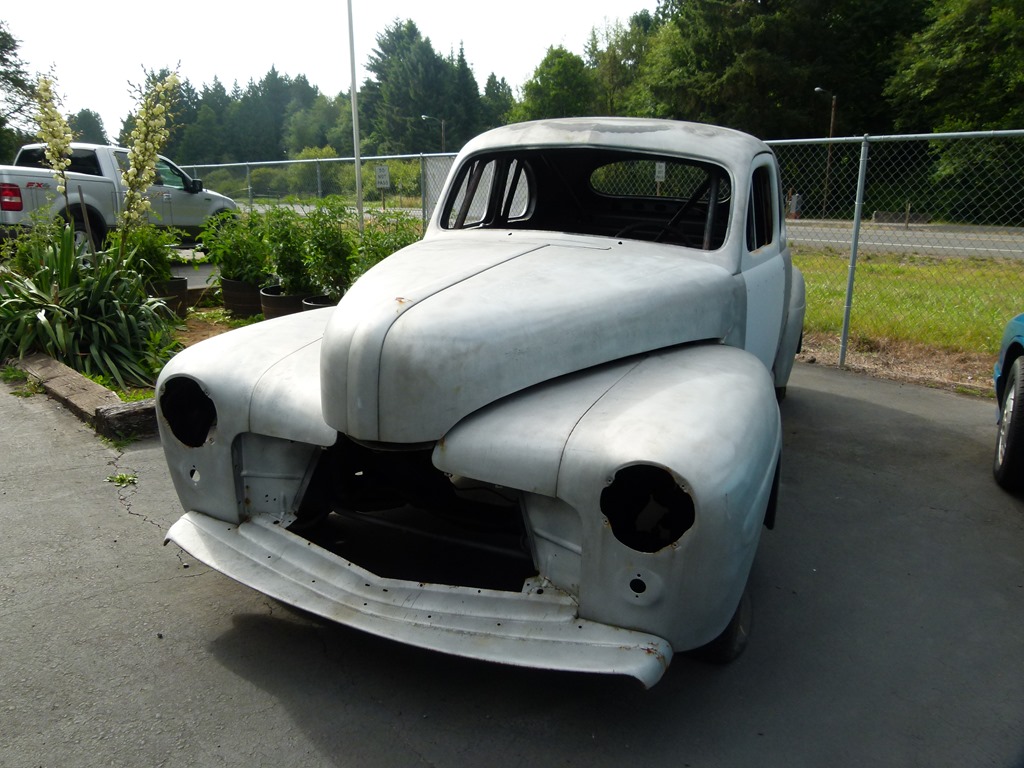
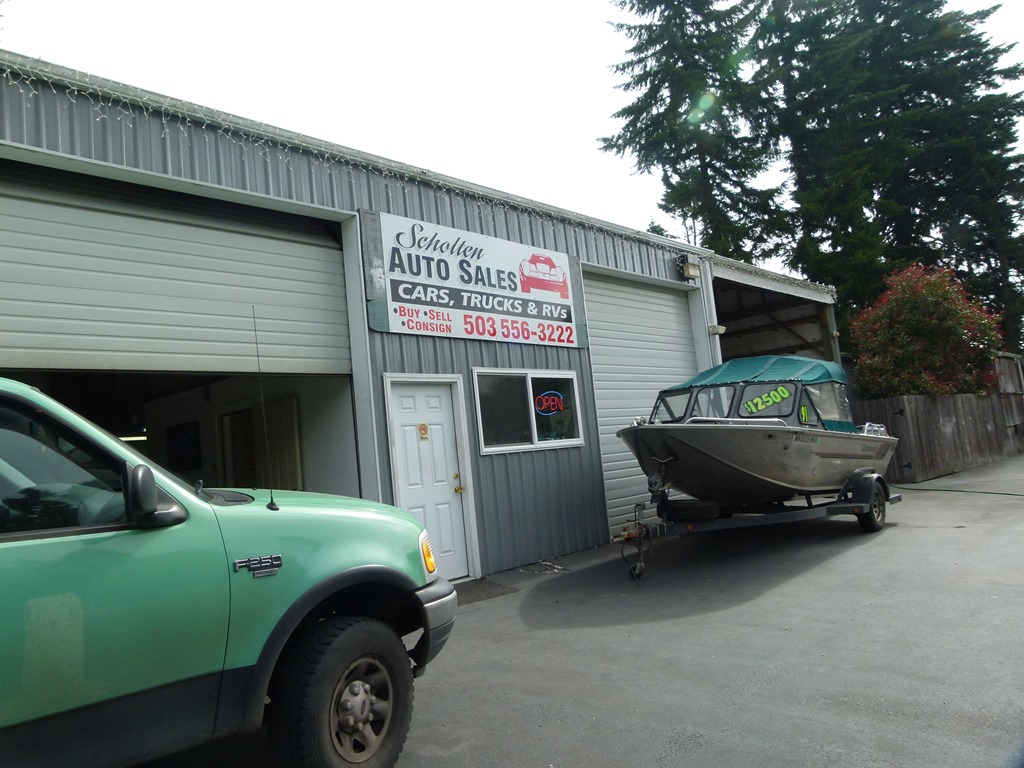
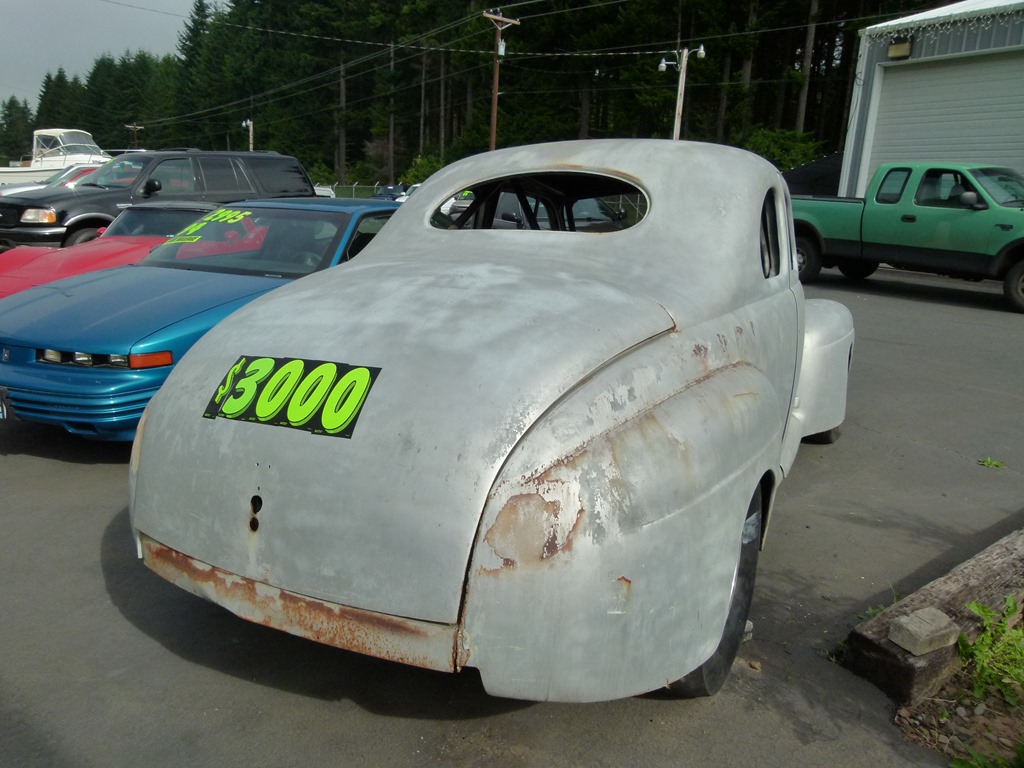
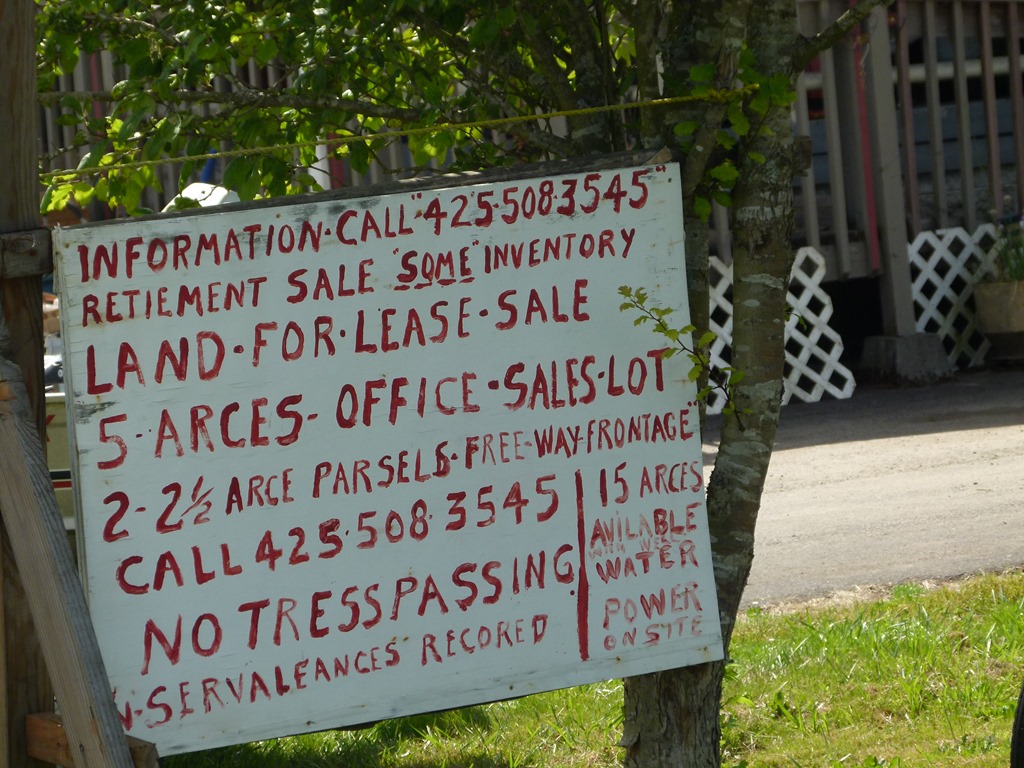
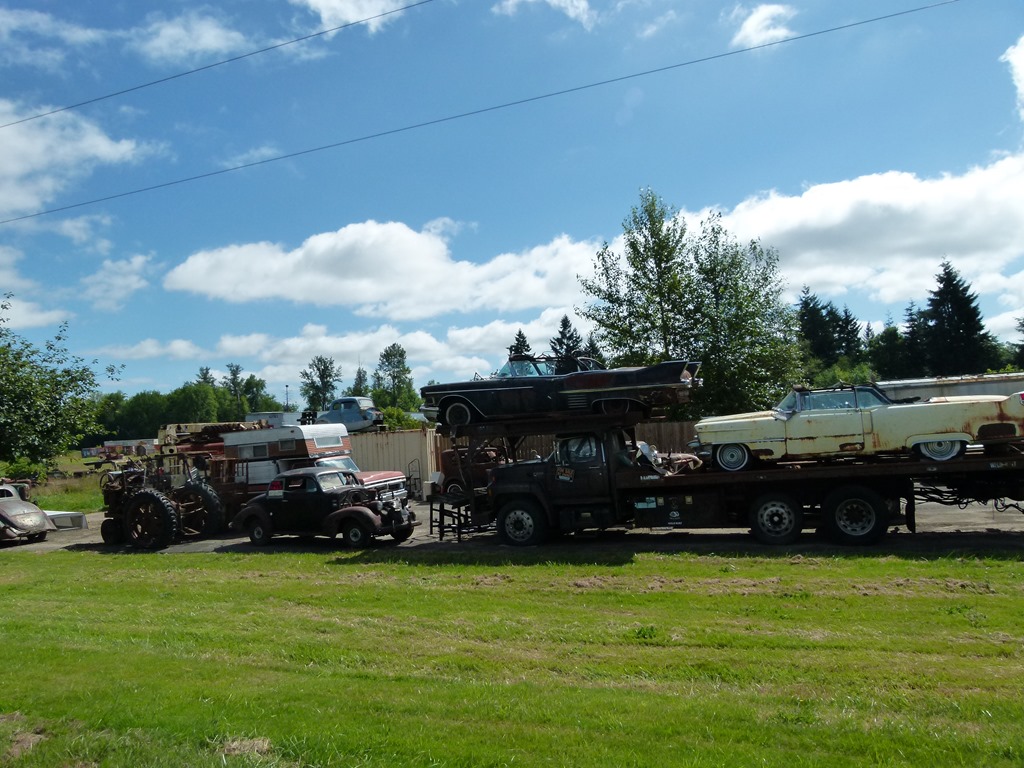
I stopped at a used car place on the side of the road because I spotted an old Ford for sale and wanted to take a closer look.

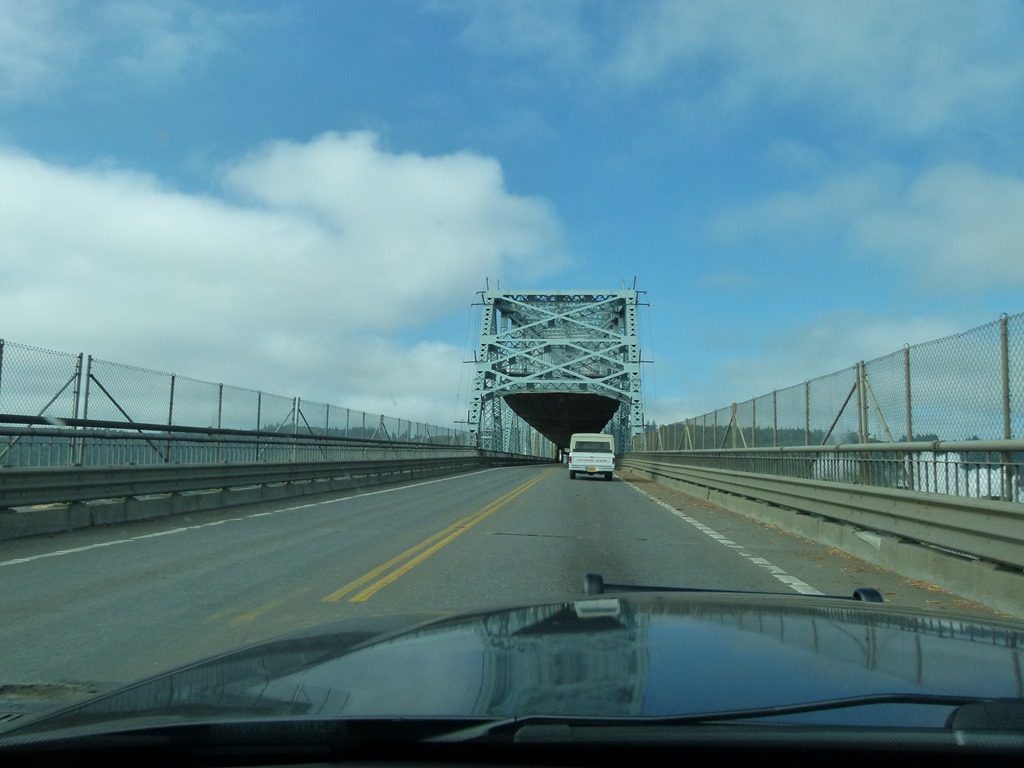
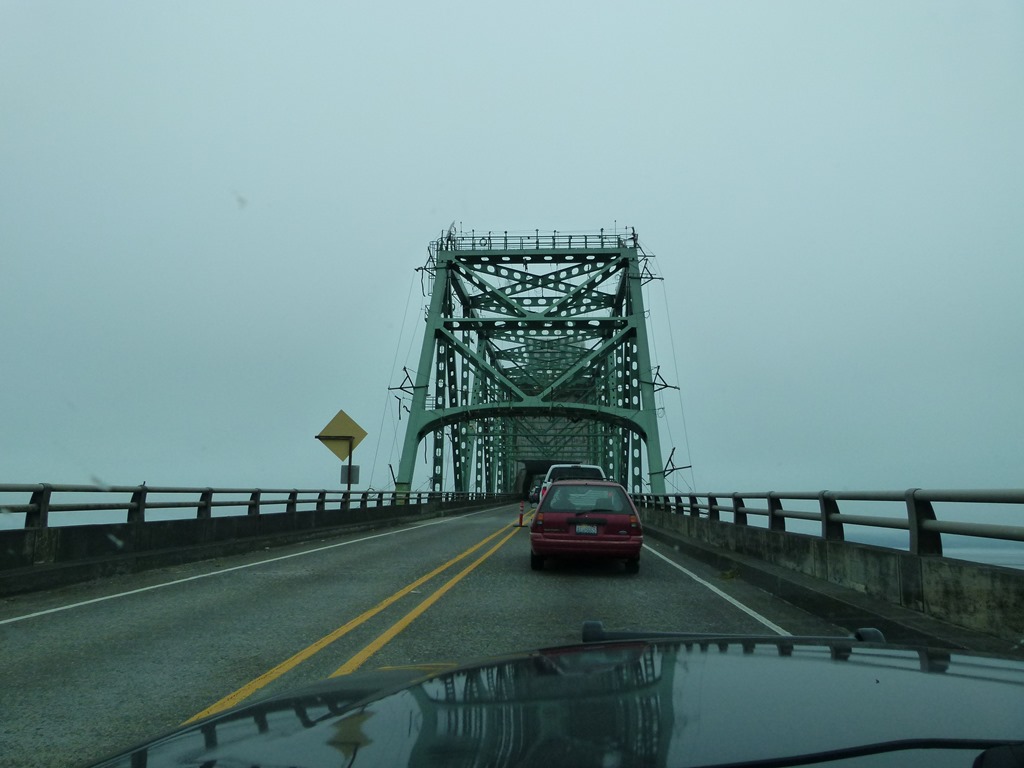
There was a long bridge to cross in order to get to the island that Oysterville was part of.
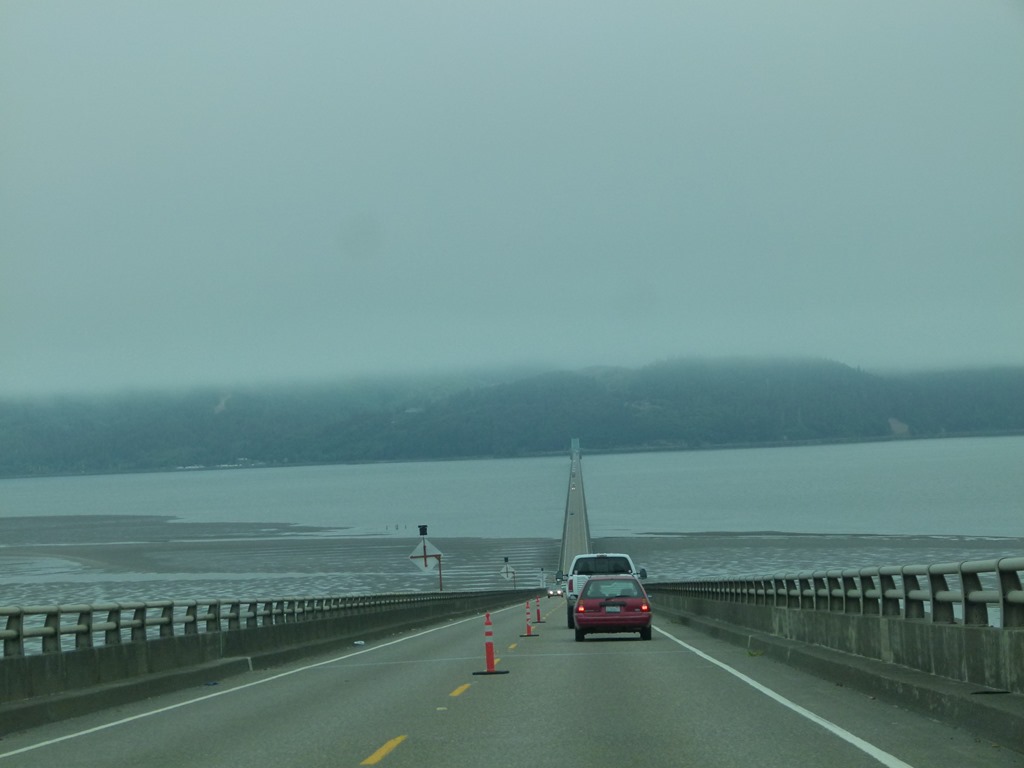
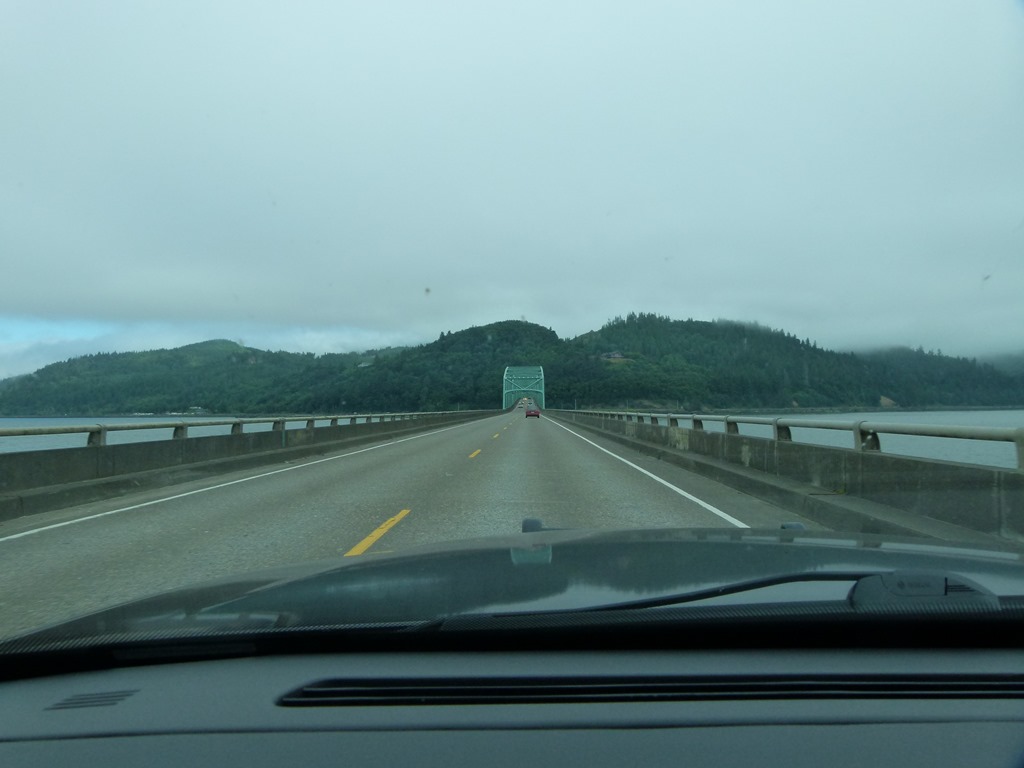

There were more miles of road to put behind me.

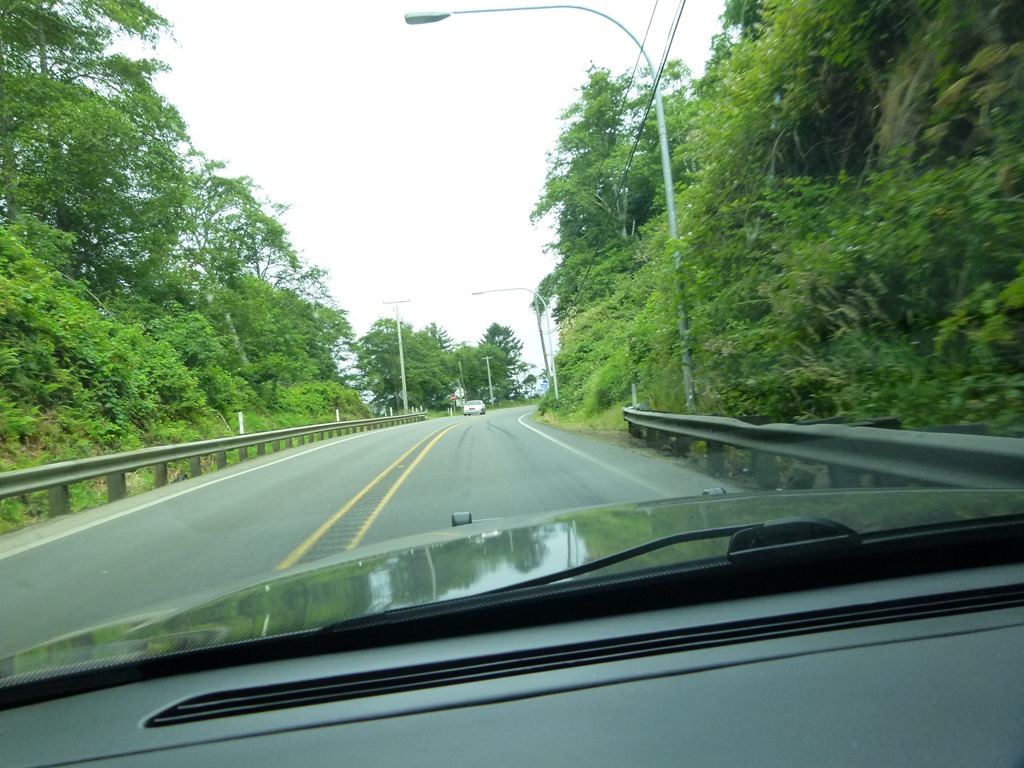
Then the signs were there.

This Oysterville still makes its living from the shellfish. Empty oyster shells were in piles and were used as pavement on driveways, just as it had once been in my village.
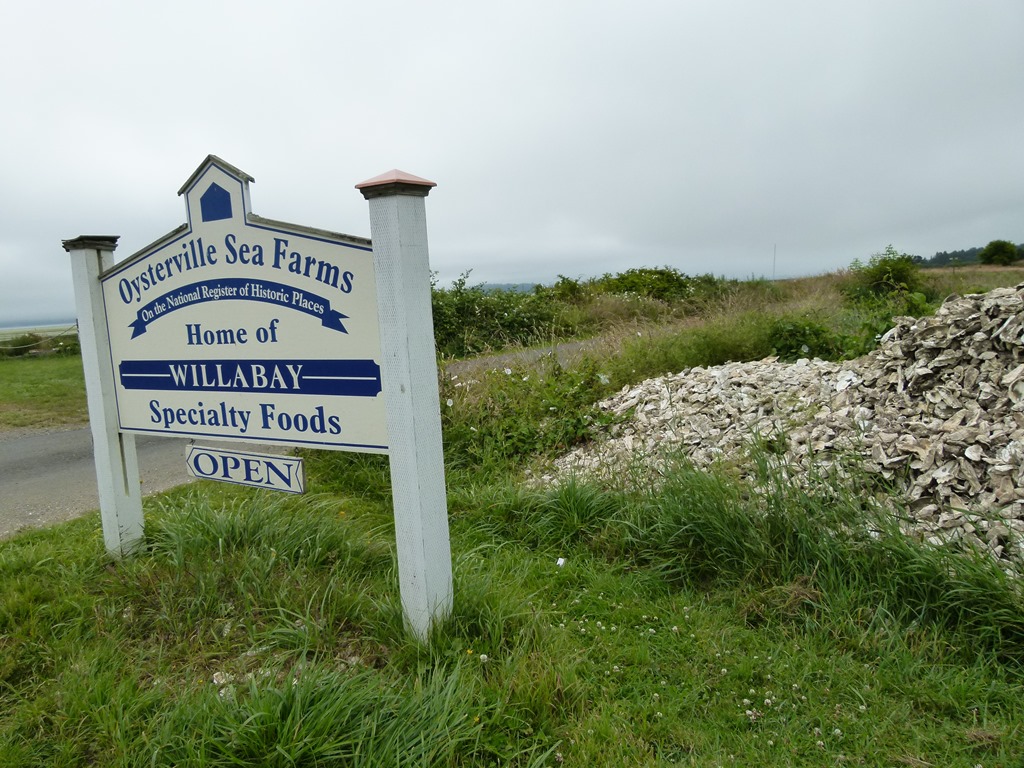
I drove out to the end and took some photos of the people busy in the oyster beds. Then I took a deep breath of the ocean air and made my way back to the mainland.


I stopped for some coffee at a small shed and had a chat with a local. There were no Wal-Marts, or Burger Kings, or any such franchises. It was nice.


And then I stopped to see a car that was just sitting out in a field.

I was heading to Tacoma so I took a little different route off the island. It gave me a chance to reflect on the past, the present, and the future. For me and for America.
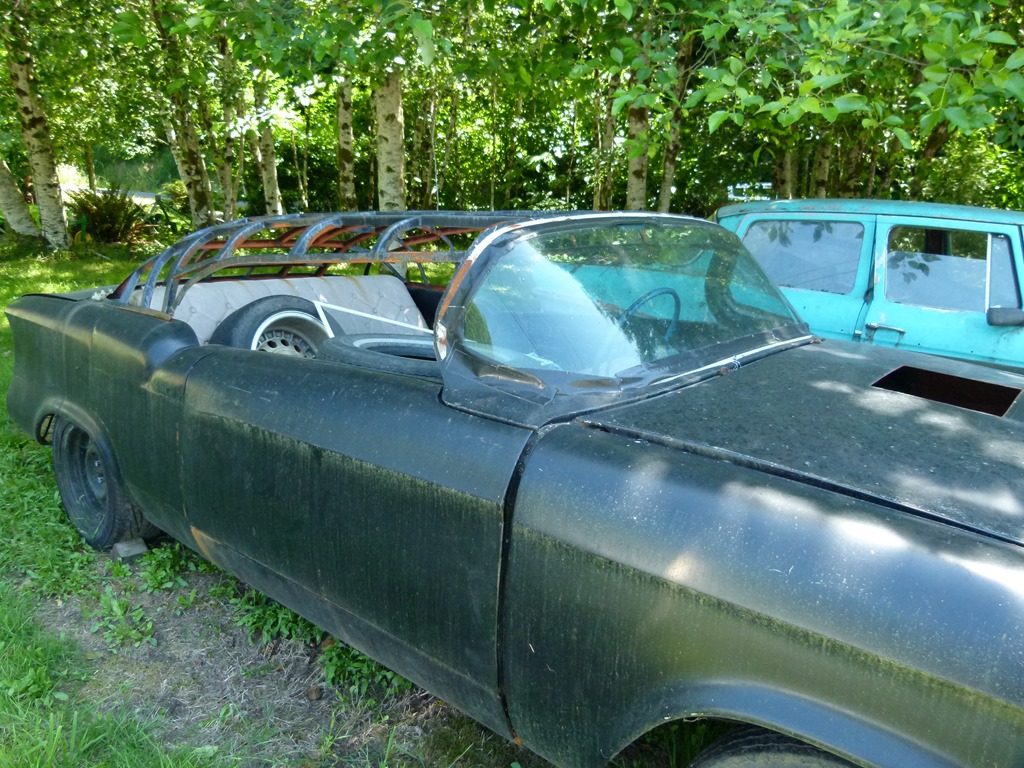
I stopped at a spot where someone had some cars by the highway for sale. One looked like it was a project car gone bad.



Later, as the road wound its way through forest the trees became much shorter as if they barely had ten years of growth on them. Then a sign came into view. In 2007 a hurricane came through with 120 mph winds and blew down hundreds of acres of trees. The torn down trees were salvaged. It took three years.
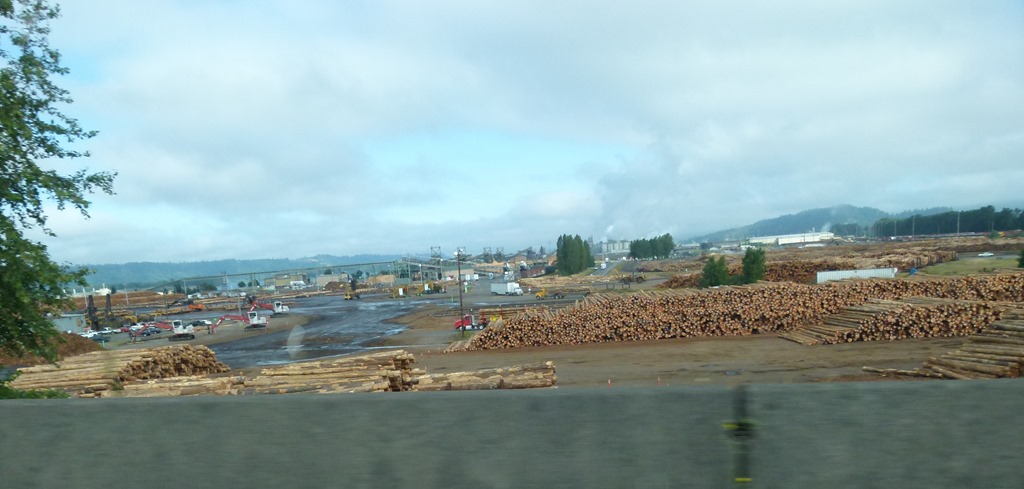
I did make it to Tacoma and I will have another entry on the LeMay museum there. I headed back toward Oregon the next morning. I will have to make my way to Boise, Idaho, but it will take a lot of hours of driving to get there.
Once again I was pulled over to the side of the road to capture some old cars that have been sitting for quite a while and are for sale in an odd sort of way.


 JIM'S GARAGE
Leave a reply to Jim Grey Cancel reply