

The other day I met a fellow named Karl with a Porsche 912 that he had had since 1966, when it was new. For those of you out there that are not that familiar with Porsche cars of that era, the 912 was just about exactly like the 911, except that it had a four cylinder engine instead of a six. In many ways it was like the predecessor to the 911, the 356 in terms of engine. So it had a slick new body style compared to the 356 and had many handling improvements, too.
The one thing it didn’t have was power – and Karl became frustrated with the limitations of the four cylinder engine.
Rather than trading it in for a 911, he decided to go one better and install a Chevrolet Corvair engine, which was a six cylinder air-cooled pancake engine, in place of the four cylinder.
Nothing is straight forward with engine swaps and in the case of the Corvair six-cylinder it rotated in the opposite direction from the Porsche. So Karl changed out the camshaft and other items so that the engine would work (rotating in the right direction) in his 912.
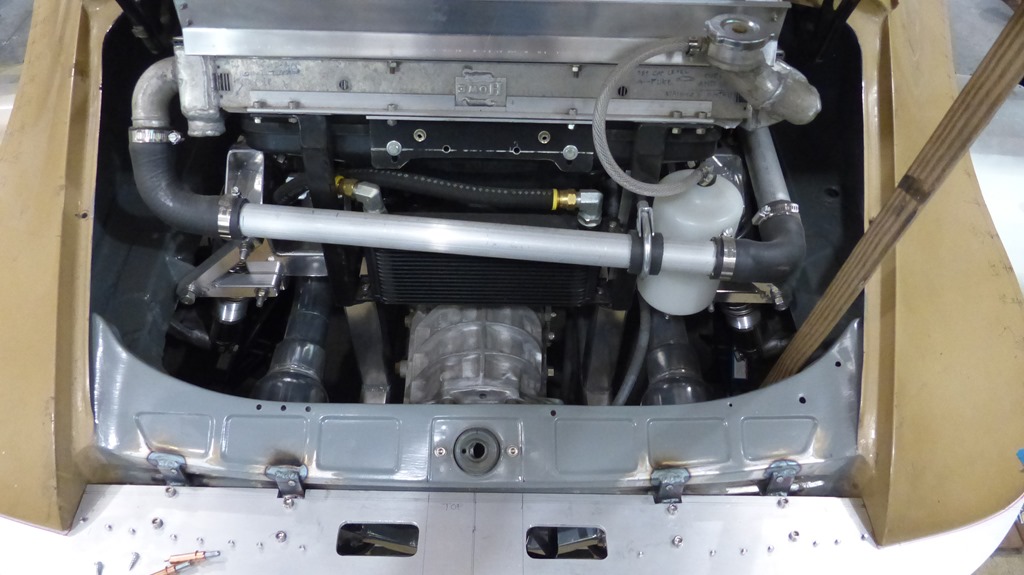
As time went on Karl felt that the Corvair upgrade just wasn’t enough. He had the need for speed and the best solution for that was to upgrade to a V-8 engine. That meant abandoning the air-cooled simplicity for a mid-engine, water cooled motor out of an Escalade.

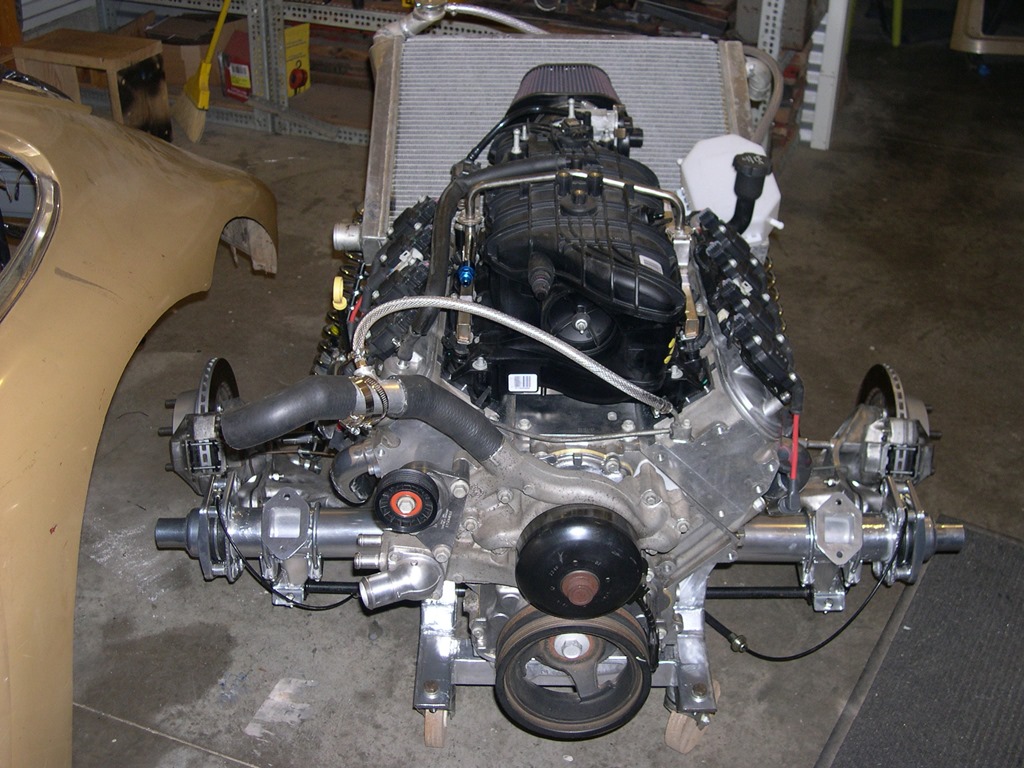

With all that power potential he felt that he would need more tire for grip and more tire meant bigger fenders. Out came the metal shears and he engineered some massive fender flares.
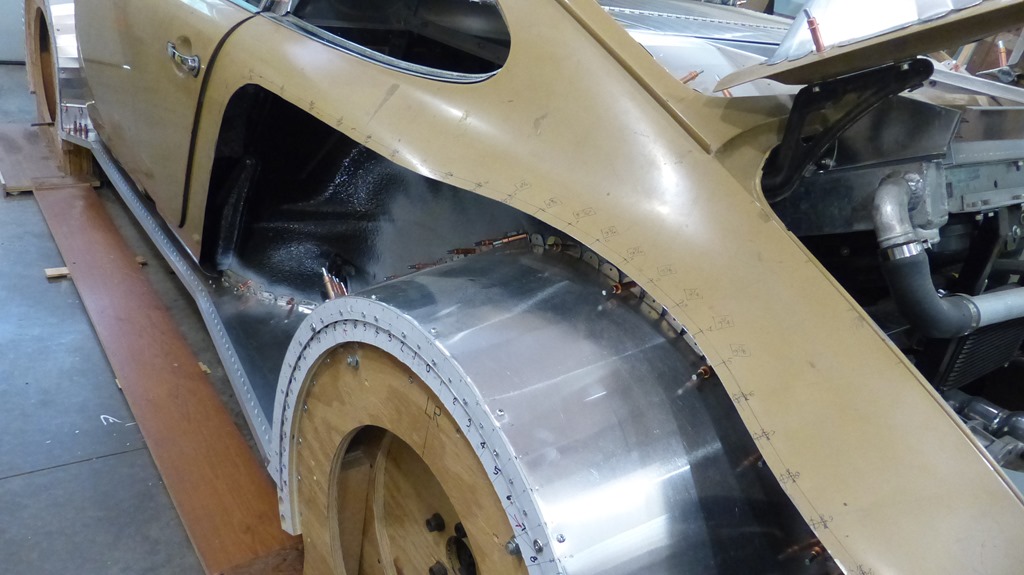
But just how large did the fenders need to be and how should he maintain the Porsche look?
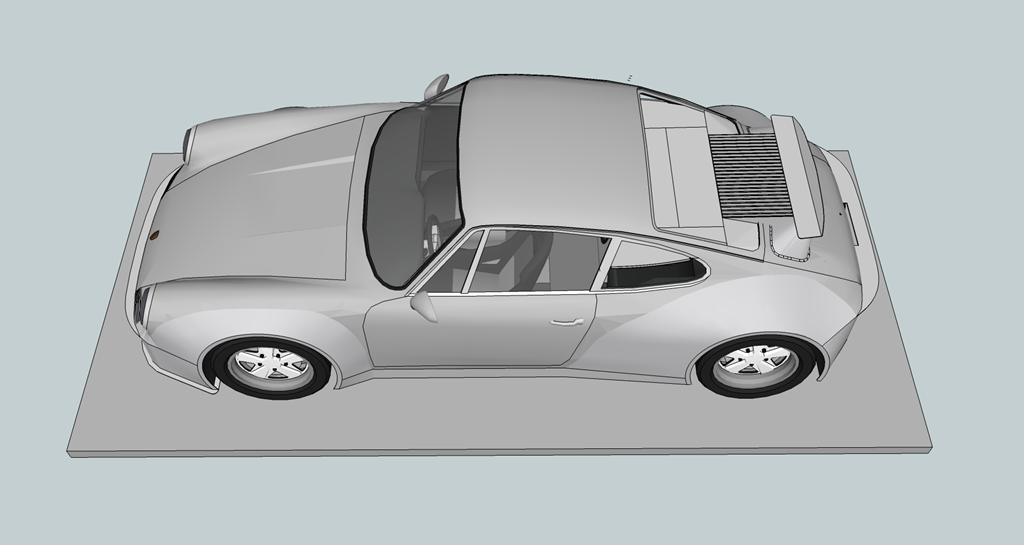
He borrowed the lines of an existing Porsche and adapted them to his 912.

The red car is what he used as a template for his modified version.

So Karl is on his way to completing his dream Porsche and here are some photos of the project in process:


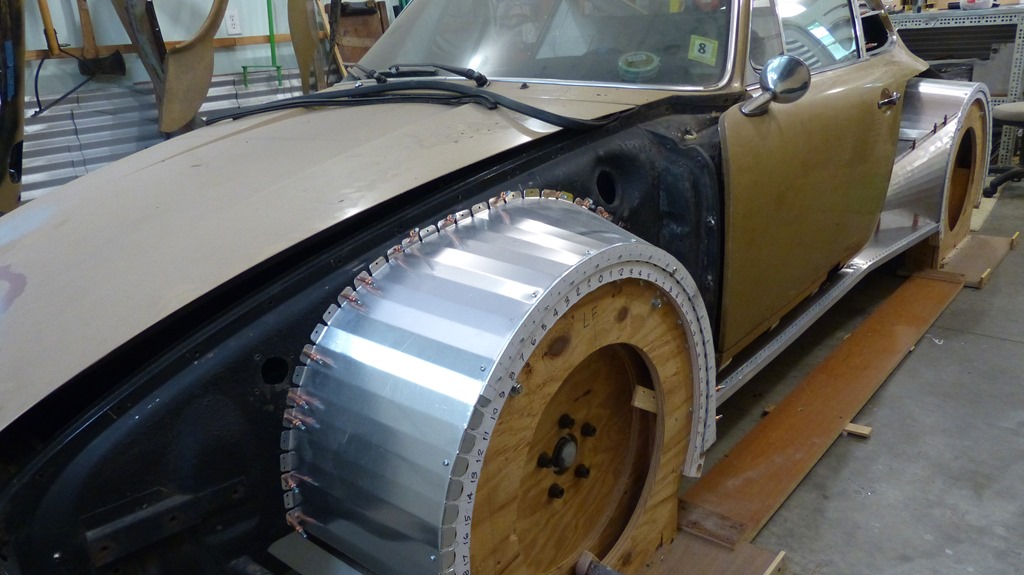


The engine is in place and the cooling system is all plumbed in as well.



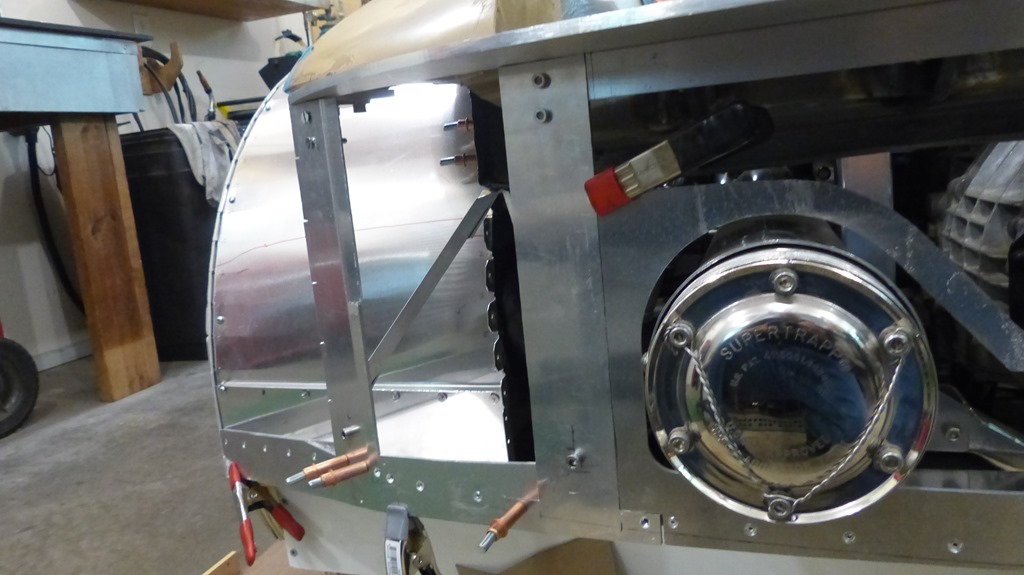


This project is coming close to completion and we hope to be able to coax a ride out of Karl when it hits the road.


 JIM'S GARAGE
Leave a reply to Jacob Tomberlin Cancel reply