

Back in the post World War II era many German companies were struggling to survive the devastation and destruction that had occurred. One of them was VW, short for Volkswagen, or people’s car. It had been designed by Dr. Porsche as an affordable car that every German could own in the “new” Germany of the Nazi party.
It had an air-cooled engine in the rear and would seat four adults in relative comfort. Its luggage compartment was in the front and its engine would make enough horsepower to move it along while getting very good gas mileage.
Porsche would go on to design the very sporty 356 and then the 911 cars. These were also rear engine cars that had air-cooled engines. The 911 grew to a six cylinder that allowed it to reach some very impressive speeds.
Meanwhile VW used what parts were left over to produce what became known as the “Beetle” or “Bug” and introduced it to the US market. Its design struck a chord with the post war young families. It also provided gas mileage that would be very attractive to the baby boomers. While the American car companies produced large, heavy cars that had fuel consumptions that might dip into the single digits, the little VW would fill its gas tank for three dollars and drive for a week or more.
Along with the Beetle VW made other variations such as the sporty Karman Ghia and the VW bus or Transporter. The VW bus used the same flat four cylinder engine in the rear that initially produced about 34 horsepower. It was a design where the front cab area hung over past the front wheels and it had side doors and plenty of seats. Since it was air cooled its heating and defrost system used air warmed by the engine that was carried through ducts all the way to the front.
The original Transporters were produced from 1950 to 1967 and by 1959the engines had grown to 1600cc and produced about 47 HP. While they were underpowered, they were also very popular, especially with young people getting their first vehicle. They were cheap to buy, cheap to own, and had a personality that generated miles of smiles.
The design went through changes in the body style and eventually the engines. In 1983 they migrated tow water cooled boxer engines and in 1985 a 4WD version called the Syncro was offered.
These transporters are still sought after but, as you can imagine, are getting quite long in the tooth. This means parts and people who know how to fix and restore them have become a small and specialized group.

We paid a visit to one of these specialist that we had found in Raleigh, NC.
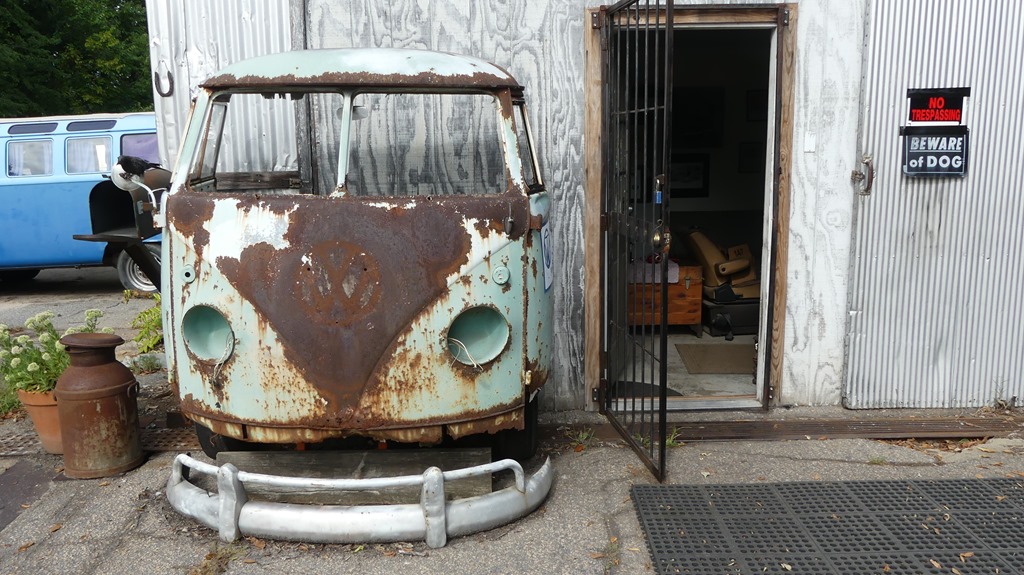
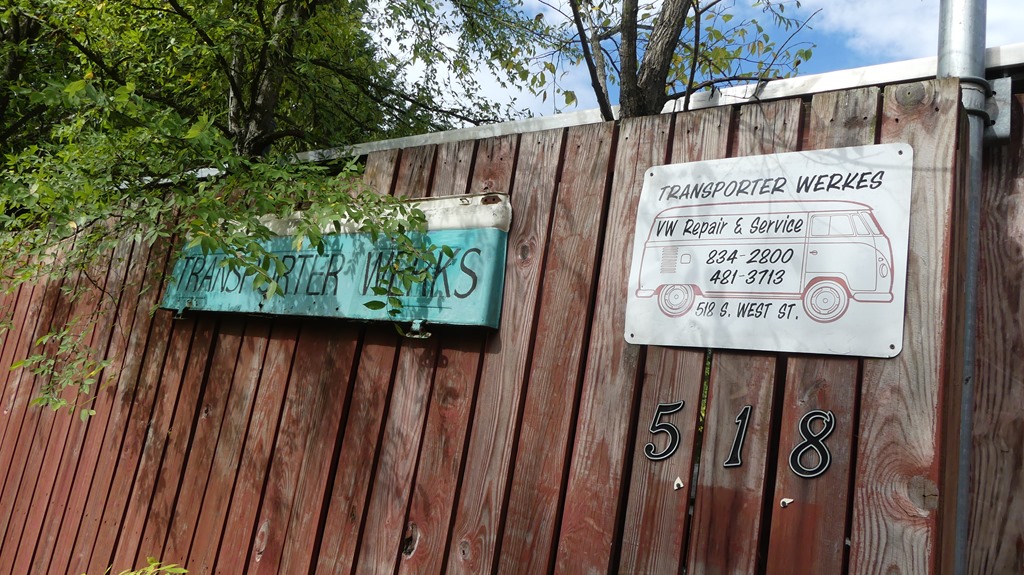
Tucked in off of West Street, behind a fence, is this treasure of a specialty shop where many generations of the VW transporter are serviced and restored by a crew of dedicated technicians.

Sean Fraser owns and runs the shop which has grown over the past twenty-plus years, to become a go-to shop for people who care about their VW. They also spend time on repair and restoration of Porsche cars. Including the 914.

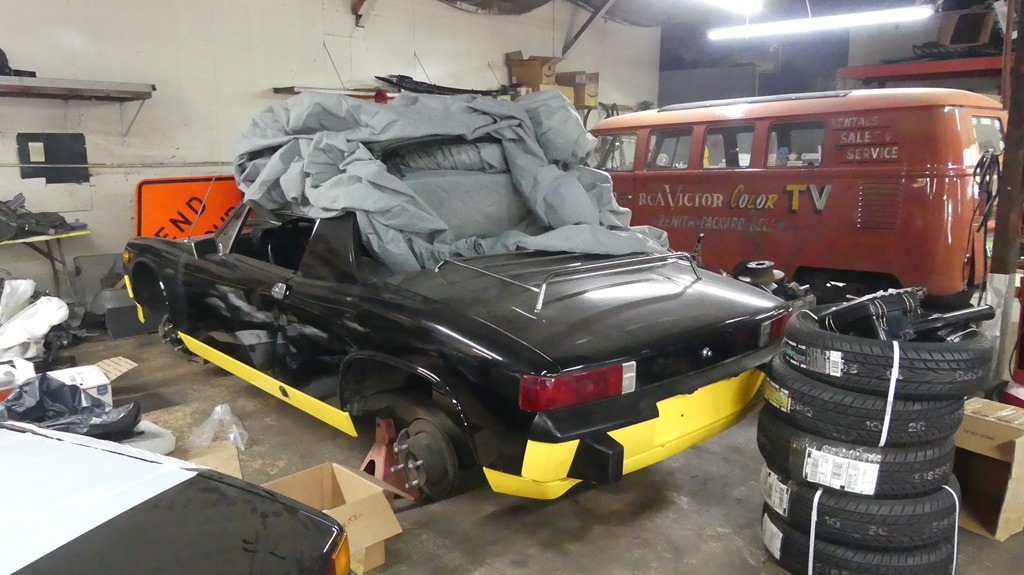

Their largest customer base involves the VW transporter in its many generations and variations.
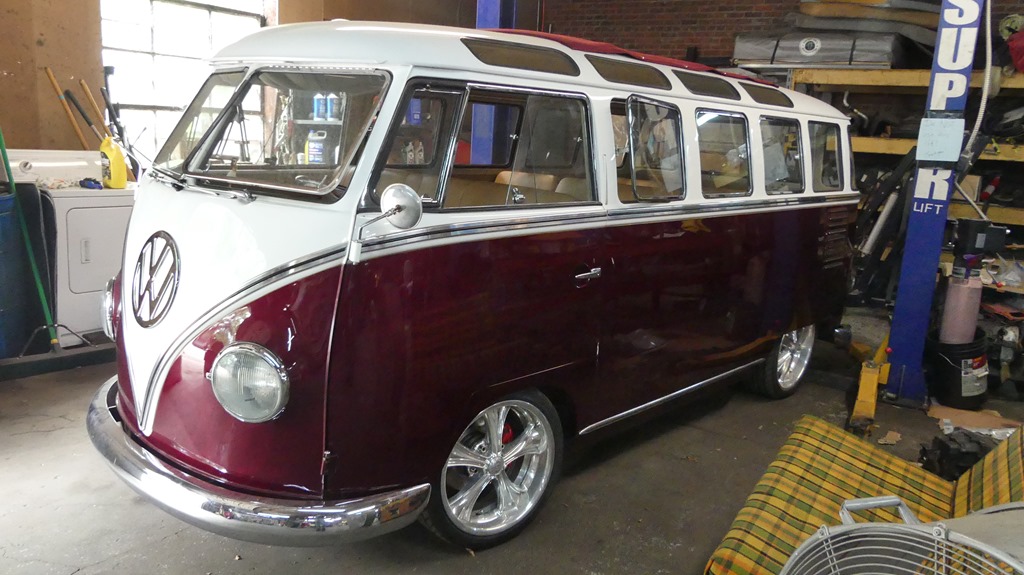

Shown above are the famous and rare 21 window versions of the Type 2.


Above is the even more rare version of the Transporter, with this one undergoing a complete restoration.
Being able to repair and restore these VWs requires plenty of parts cars as original VW parts are very hard to come by.


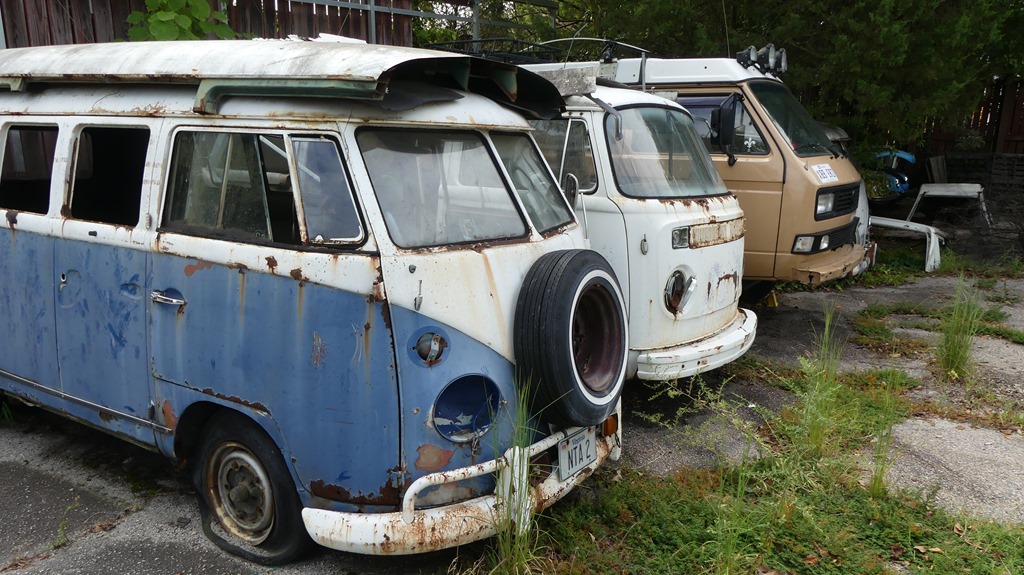
Here are some shots of some Syncro versions of the Westfalia.


This one is being completely restored.

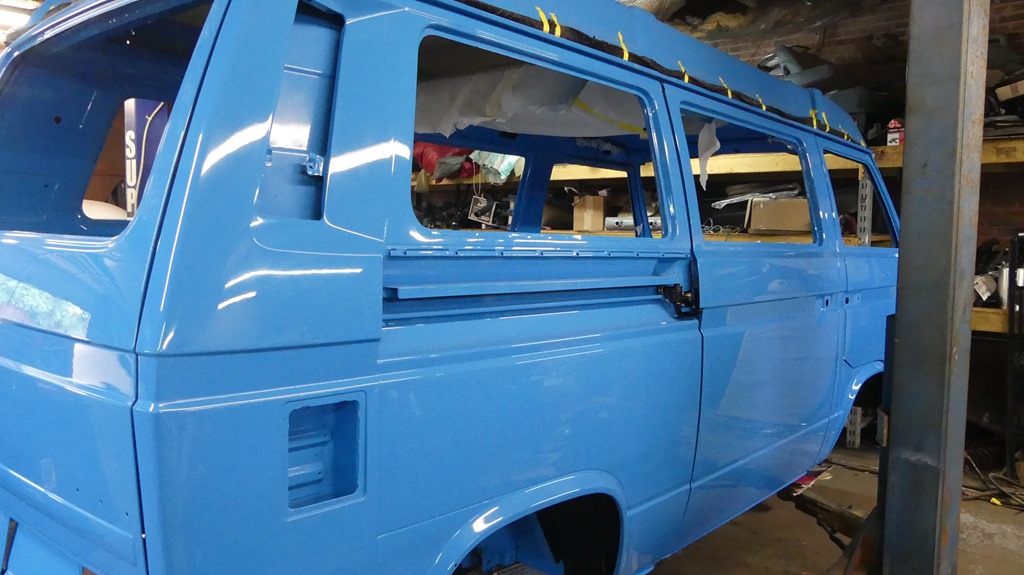
Shops like this are as rare as the vehicles they specialize in. If you have a version of the VW transporter or just care about them this is one of the few places where you can get the job done right.


 JIM'S GARAGE
Leave a reply to Jim’s sister Cancel reply