

Here we are, on the yacht Tenacity in the harbor in Monaco listening to the magical sound of racing engines as Formula 1 cars built prior to 1961 race around the street course of Monaco. It is the weekend of the 15th Grand Prix De Monaco Historique 2026.
For me this brings back the memories of my youth when race cars had their engines in the front of the driver and automotive technology was still young and evolving.
Our view of the track from the yacht is from just past the chicane right after the tunnel then straight in front of us before the next turn on our left. We can climb the stairs going to the second deck to get a higher view, which we do from time to time. The race cars travel from our right to our left and out of sight. But even when they are not in our view the sound of their engine echoes off the tall buildings that form canyon-like walls reflecting the race car sounds as the cars climb the street’s hills and later echo inside of the tunnel after the tight hairpin turn. This is arguably the most famous Formula 1 street course in the world.
Friday is a day of free practice sessions that are divided into the categories that both the Saturday qualifying day, and Sunday’s actual race day will be structured around.
First will be the front-engine Grand Prix cars build prior to 1961. When compared to today’s Formula 1 cars they are far smaller with no wings and reliant on tires with tread and are bias belted as was the tire technology of that era. Some will have leaf springs with friction spring dampeners, and their brakes will use drum technology rather than the disc brakes that we are familiar with today.
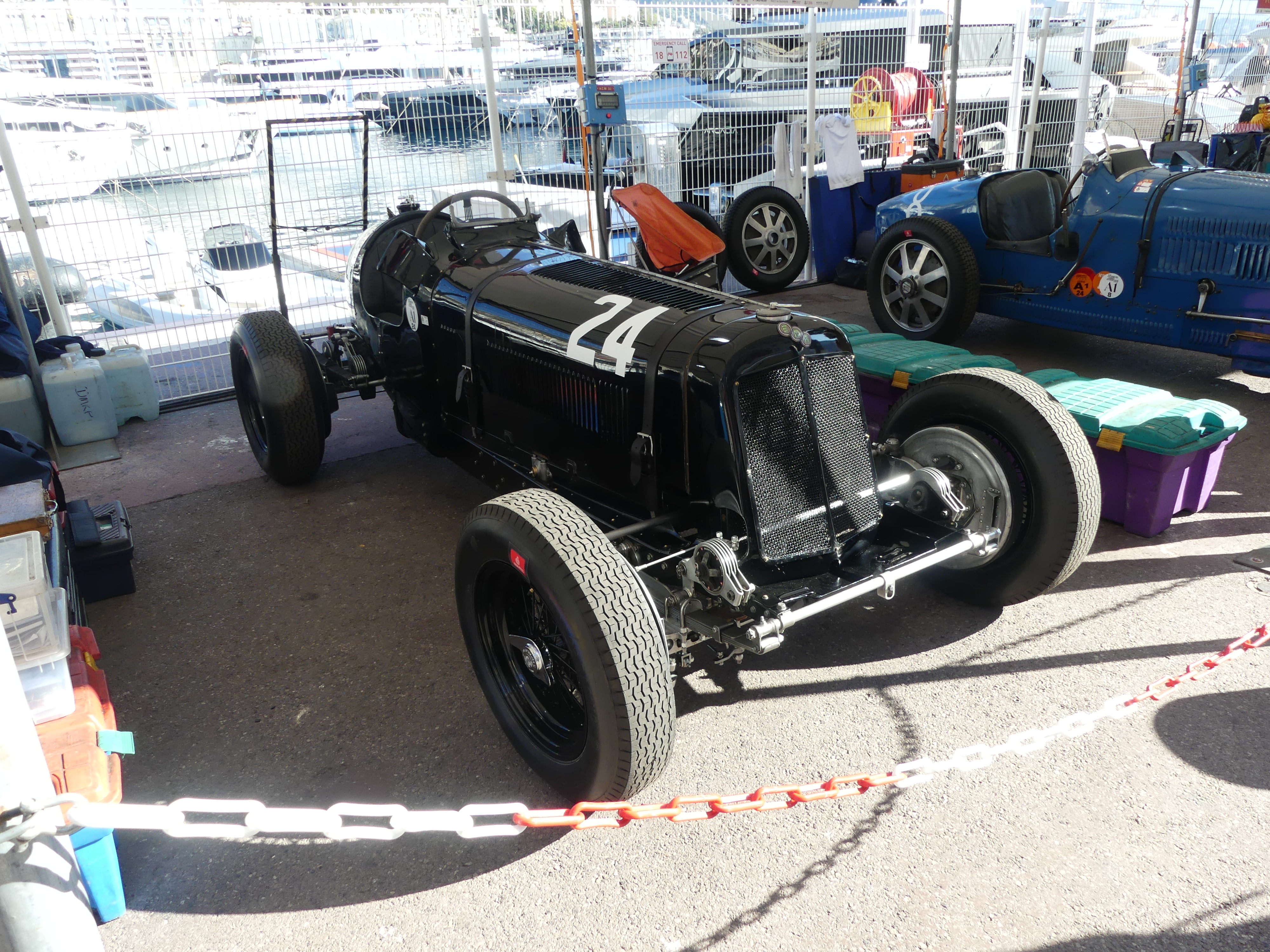
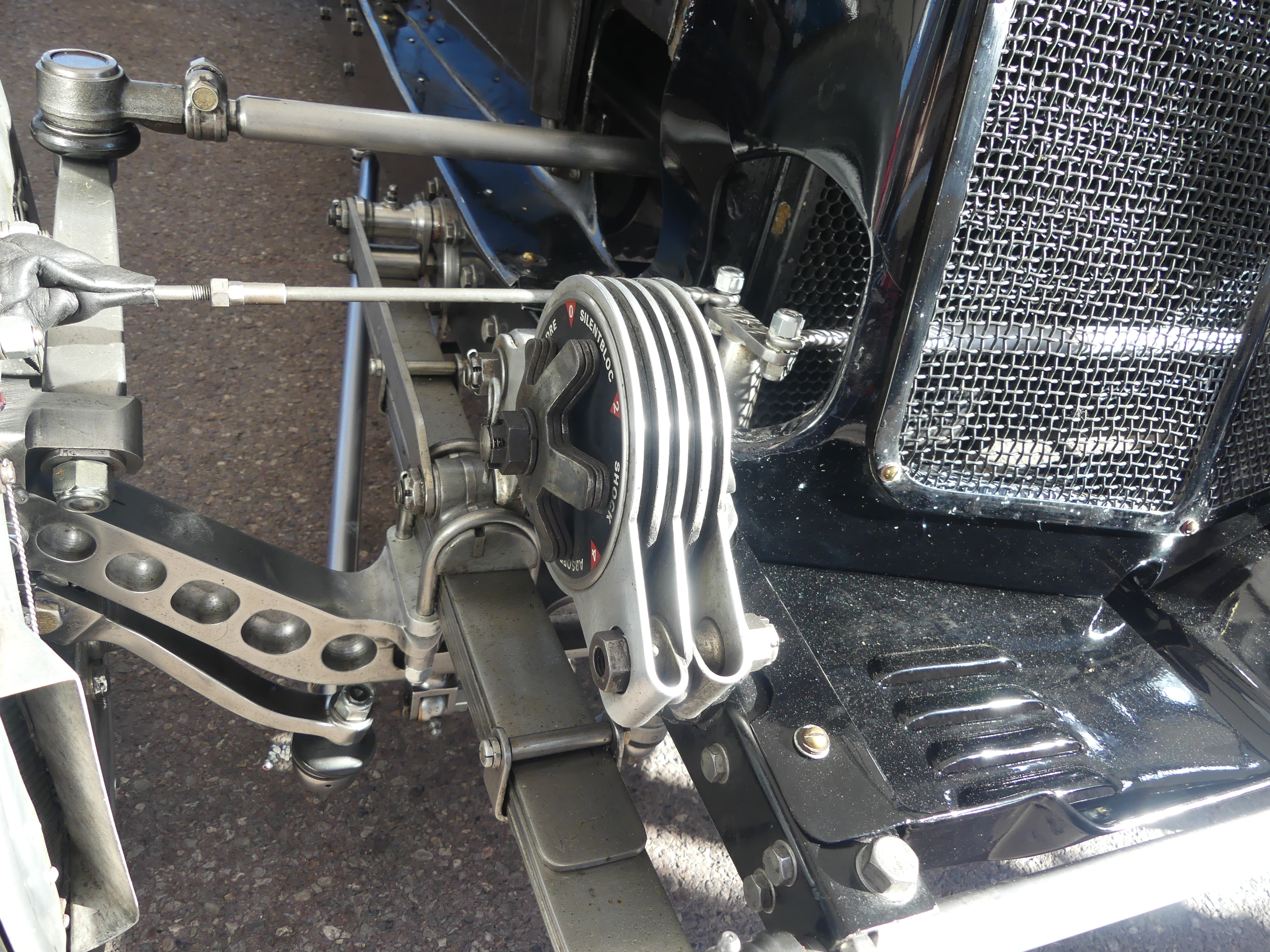
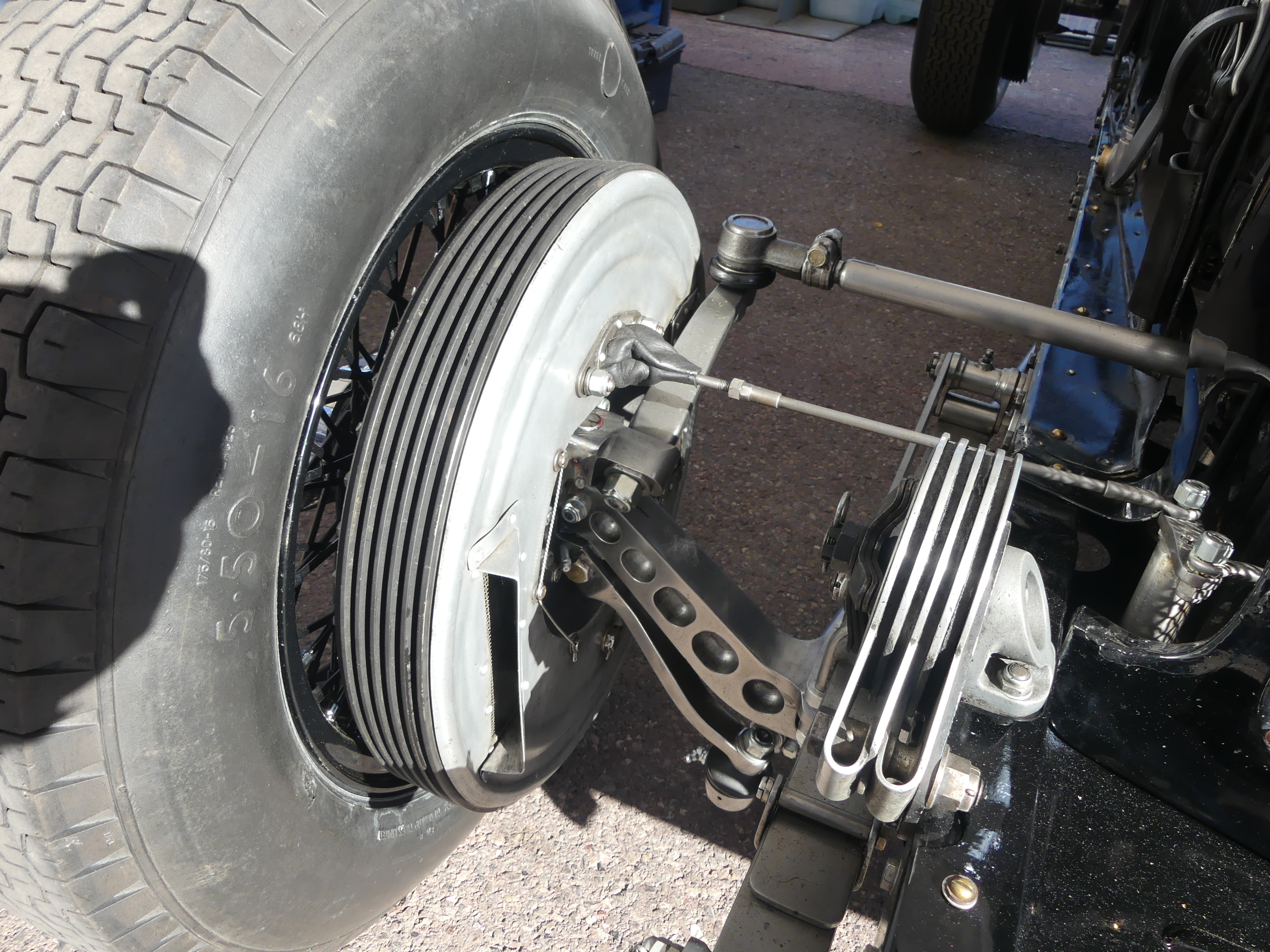
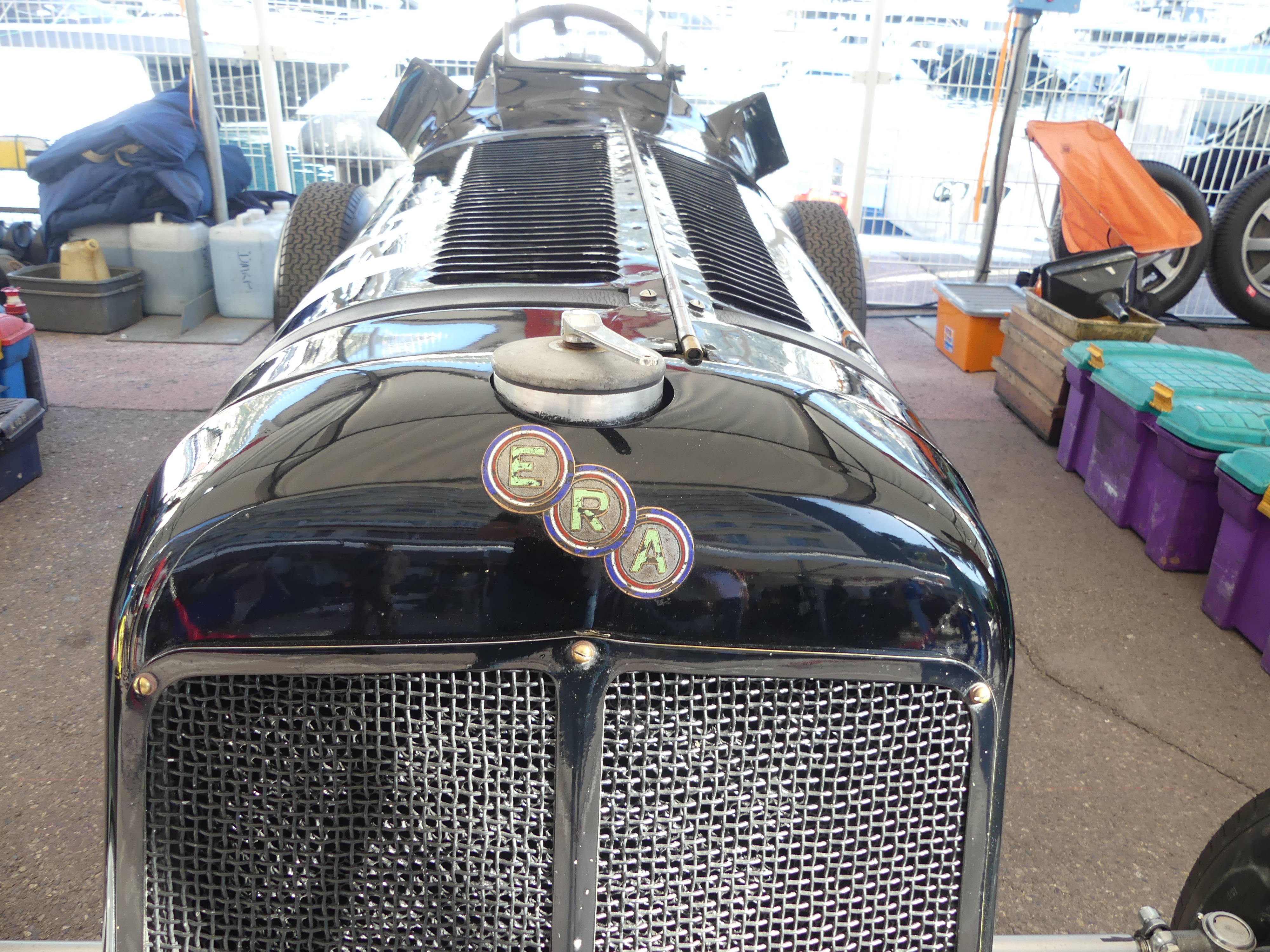
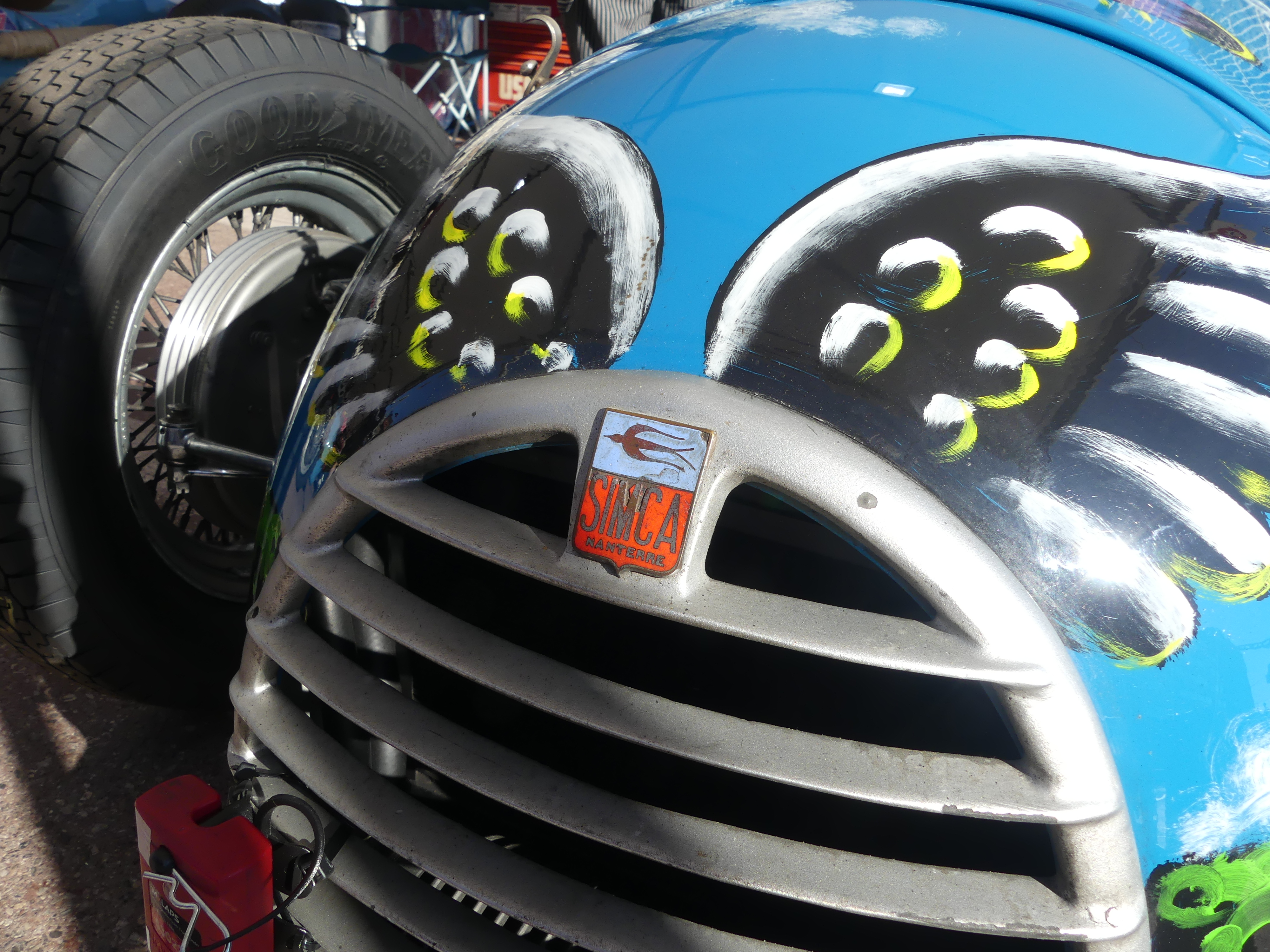
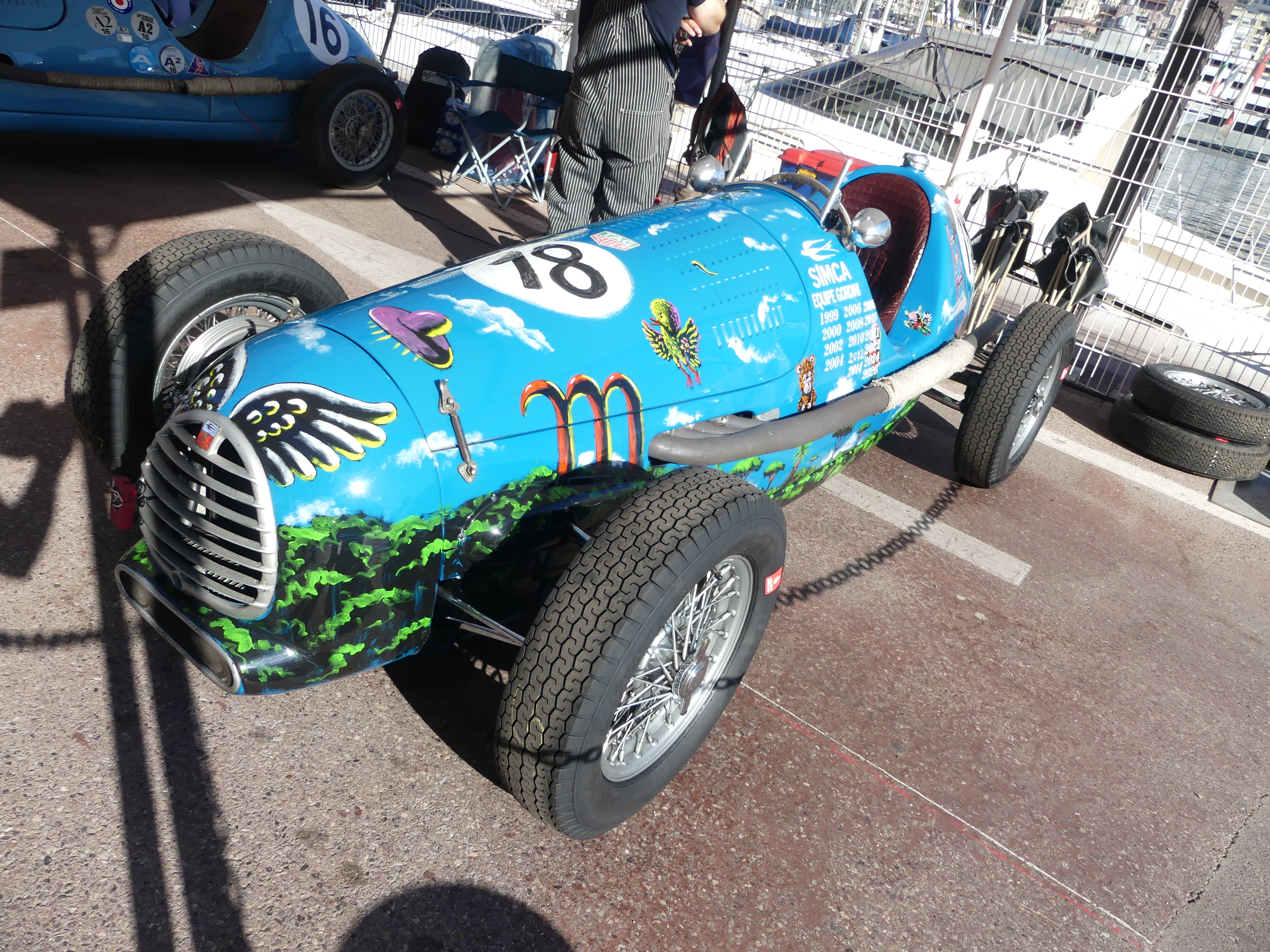
The next class of racing cars to hit the track are prewar Grand Prix cars and Voiturettes.
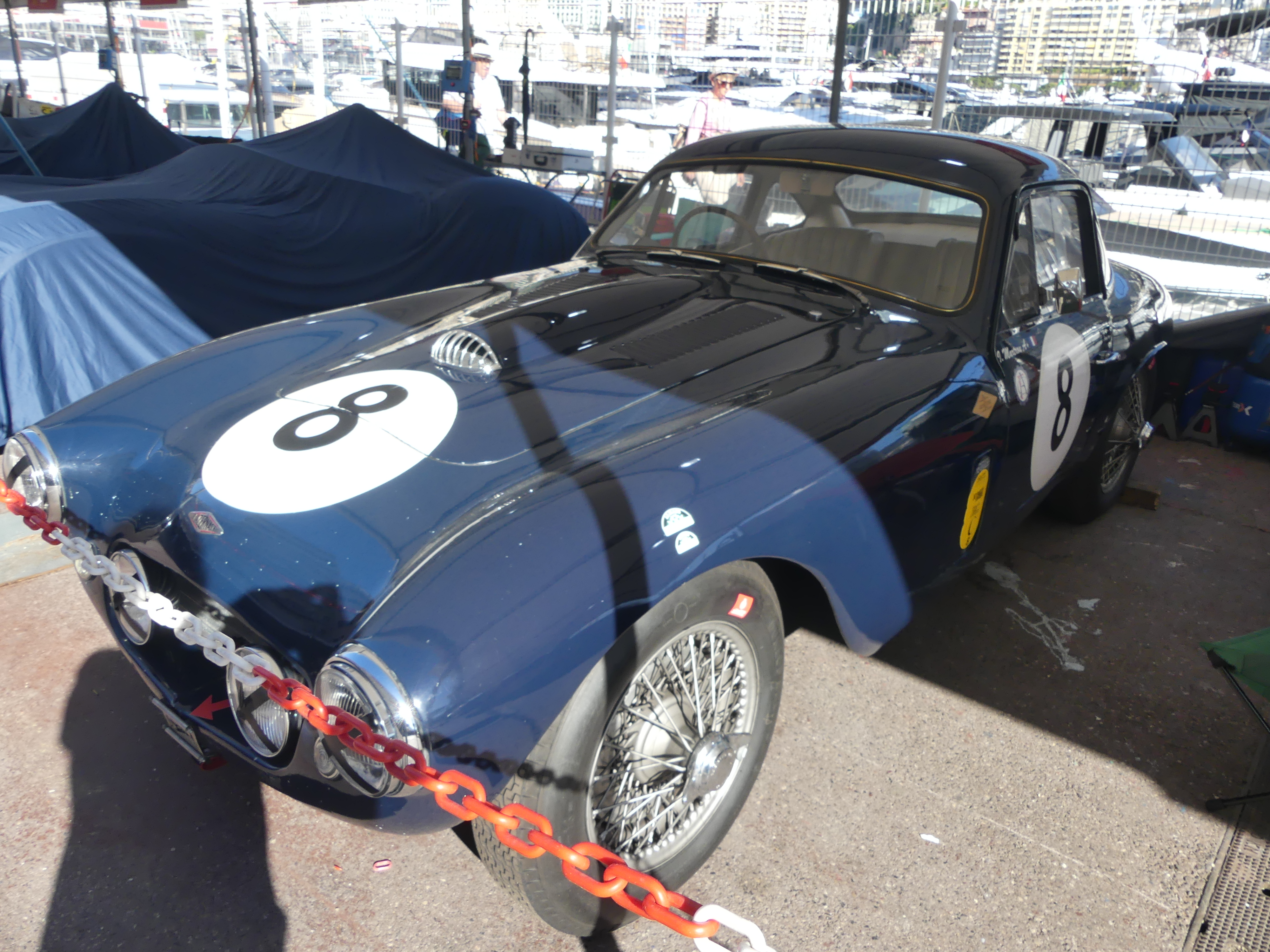
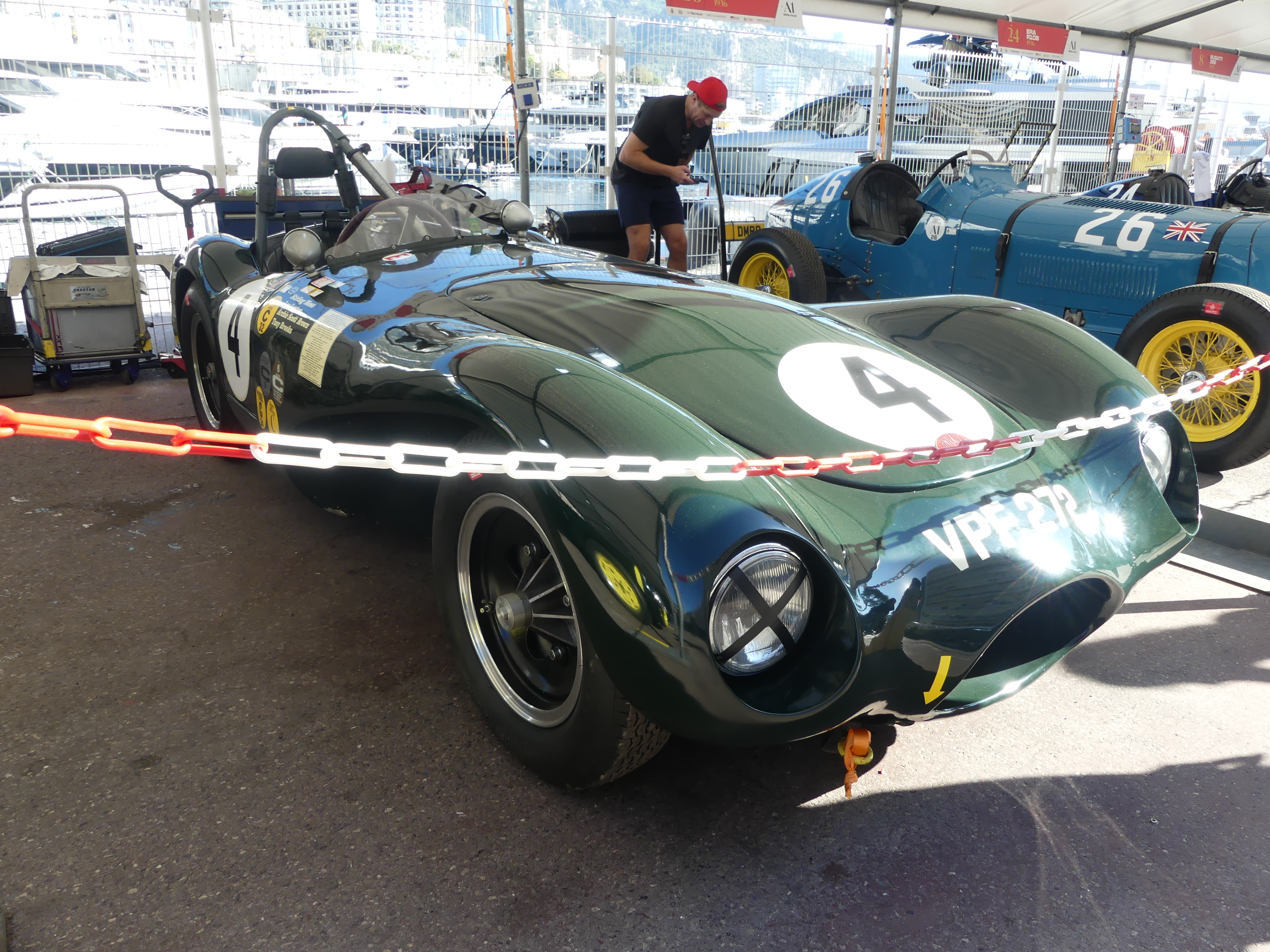
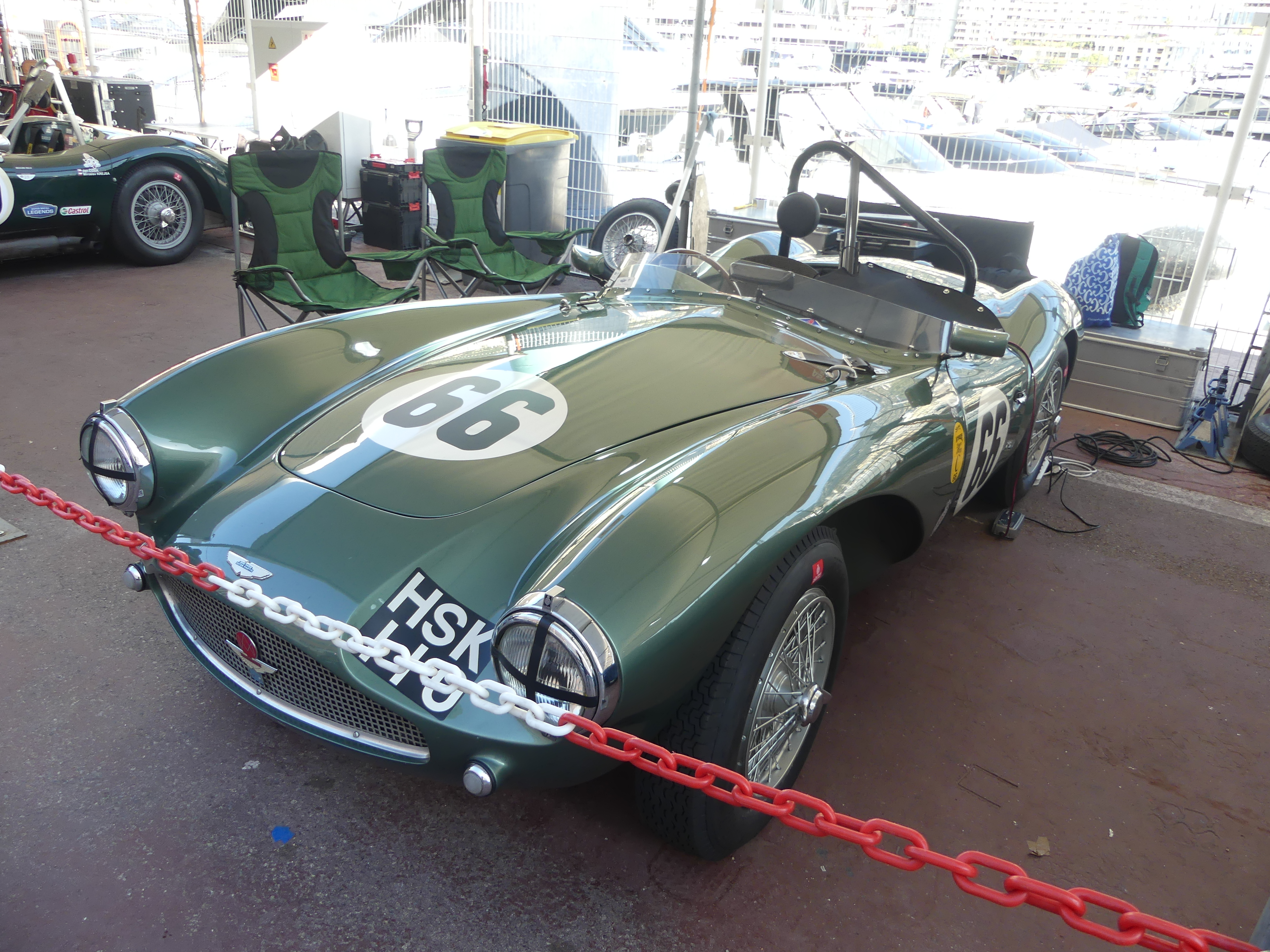
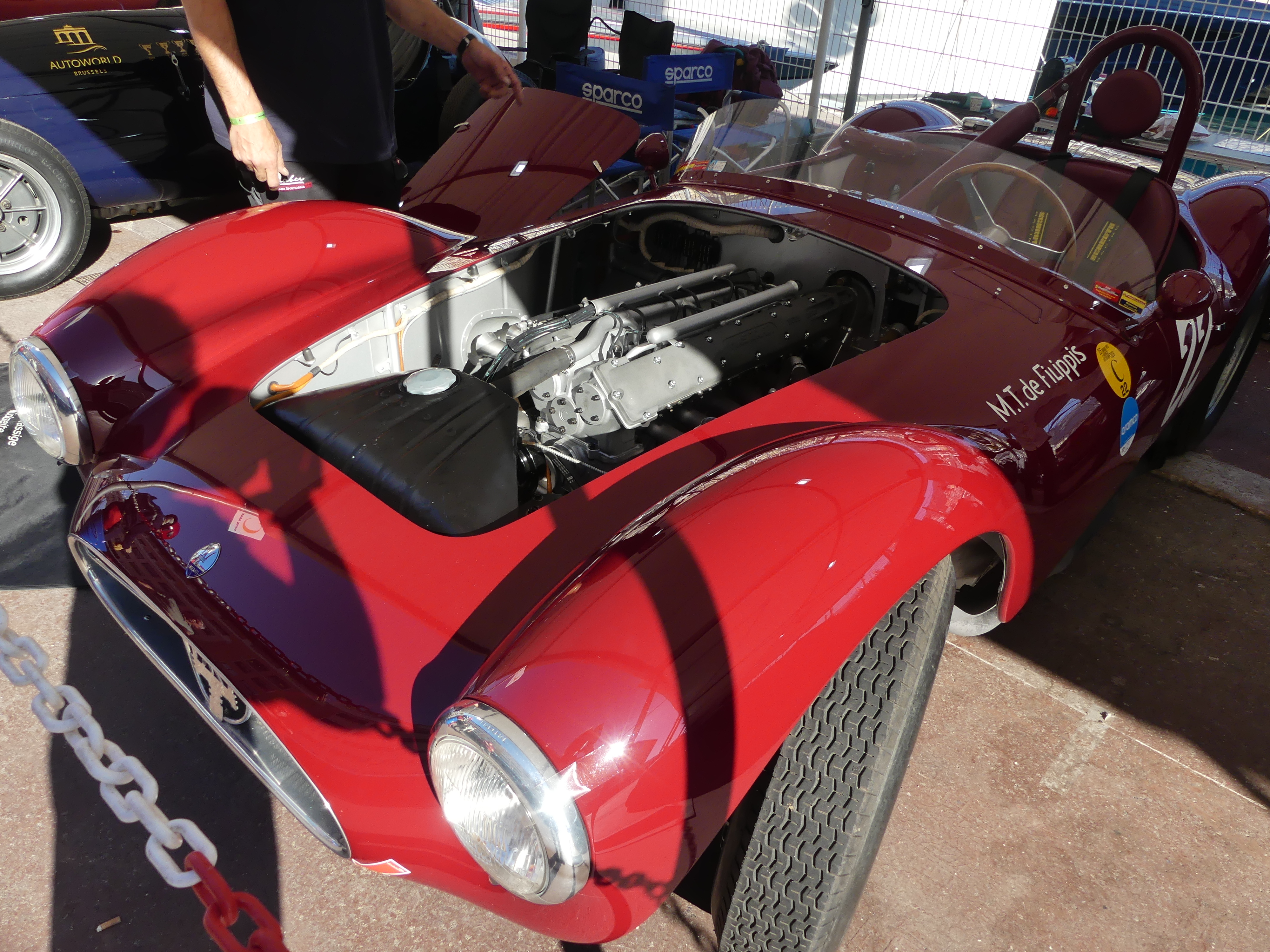
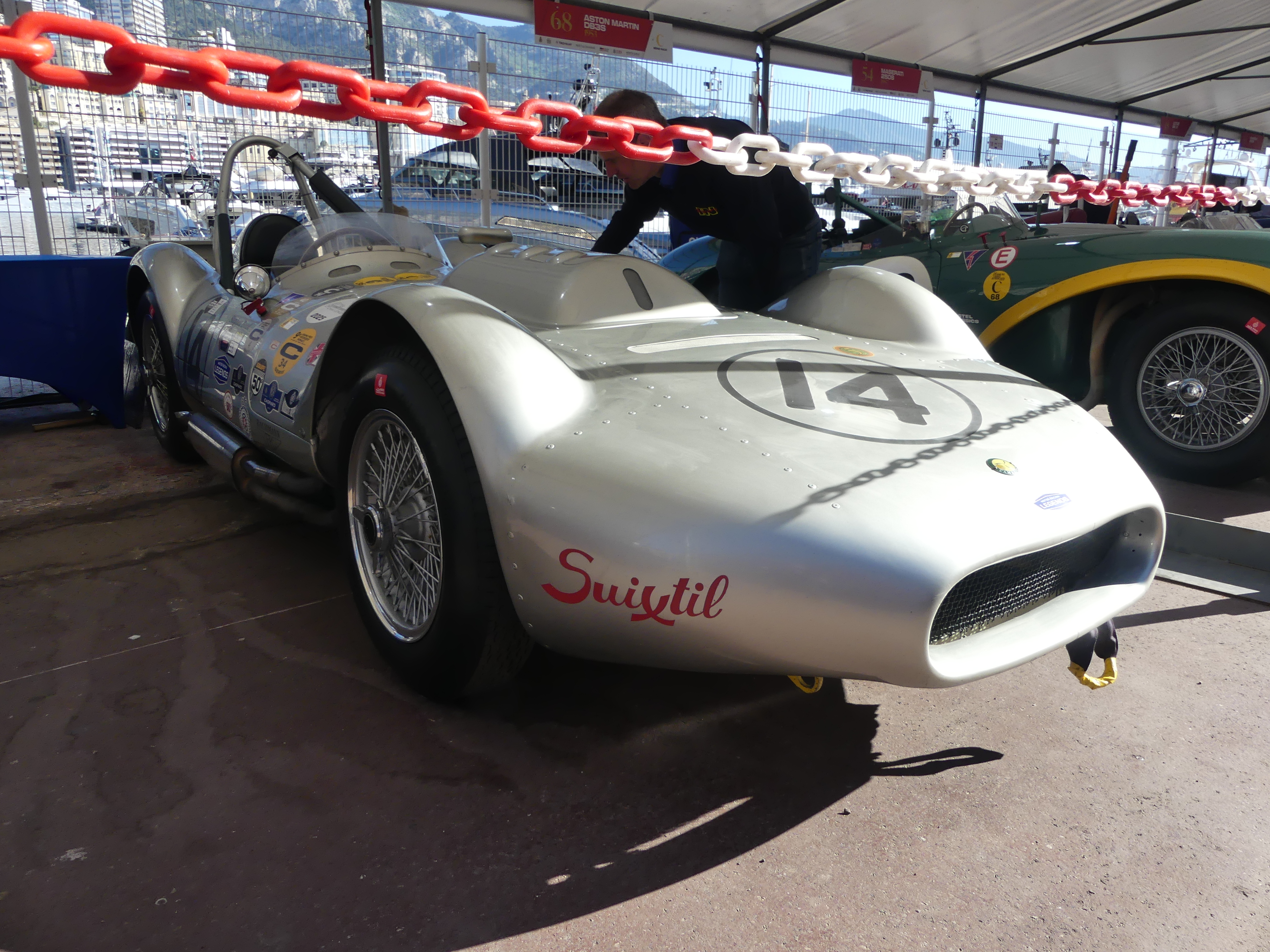
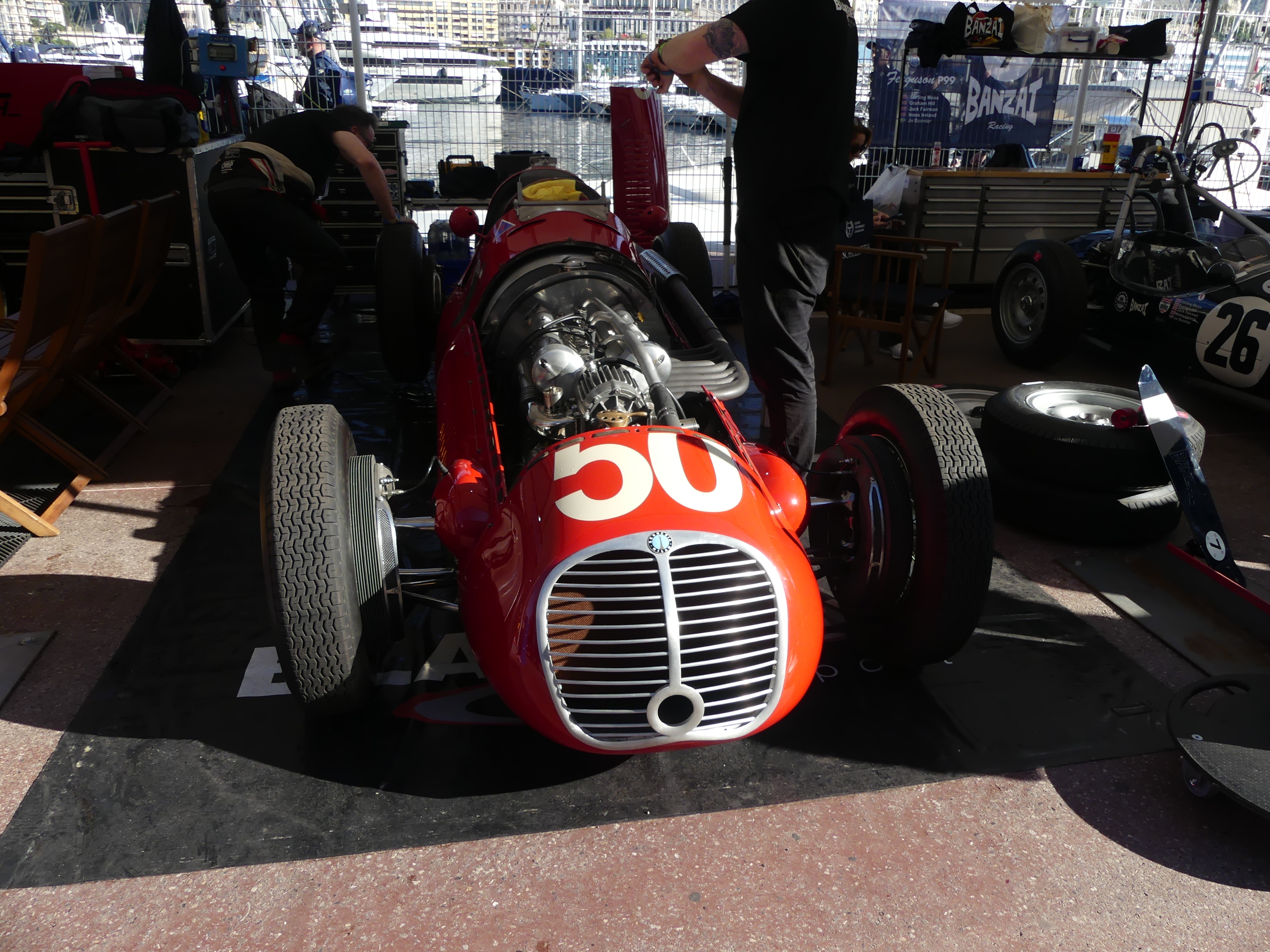
Then are the rear-engine, F1 cars (1961-1965) and F2 (1956-1960)
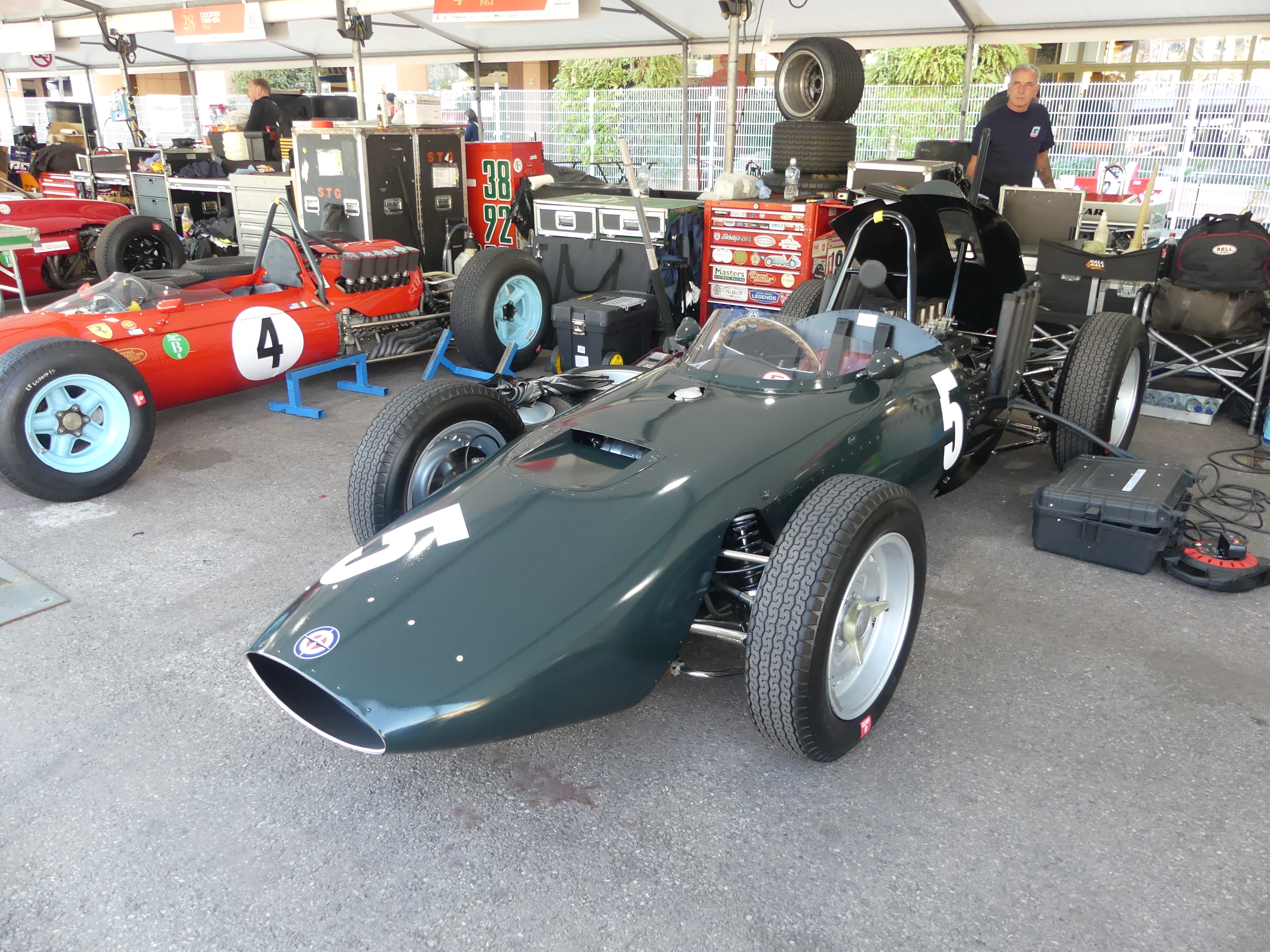
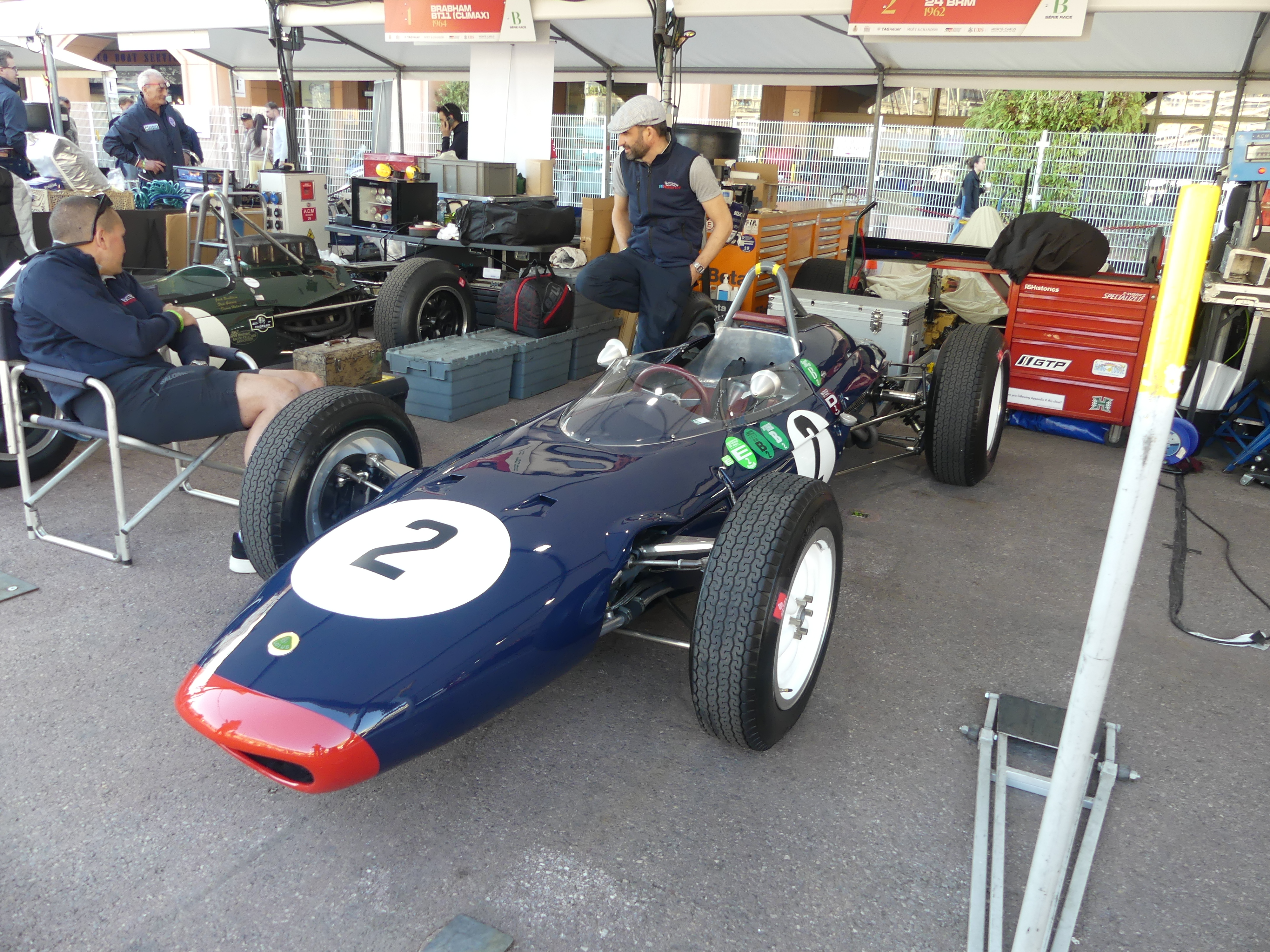
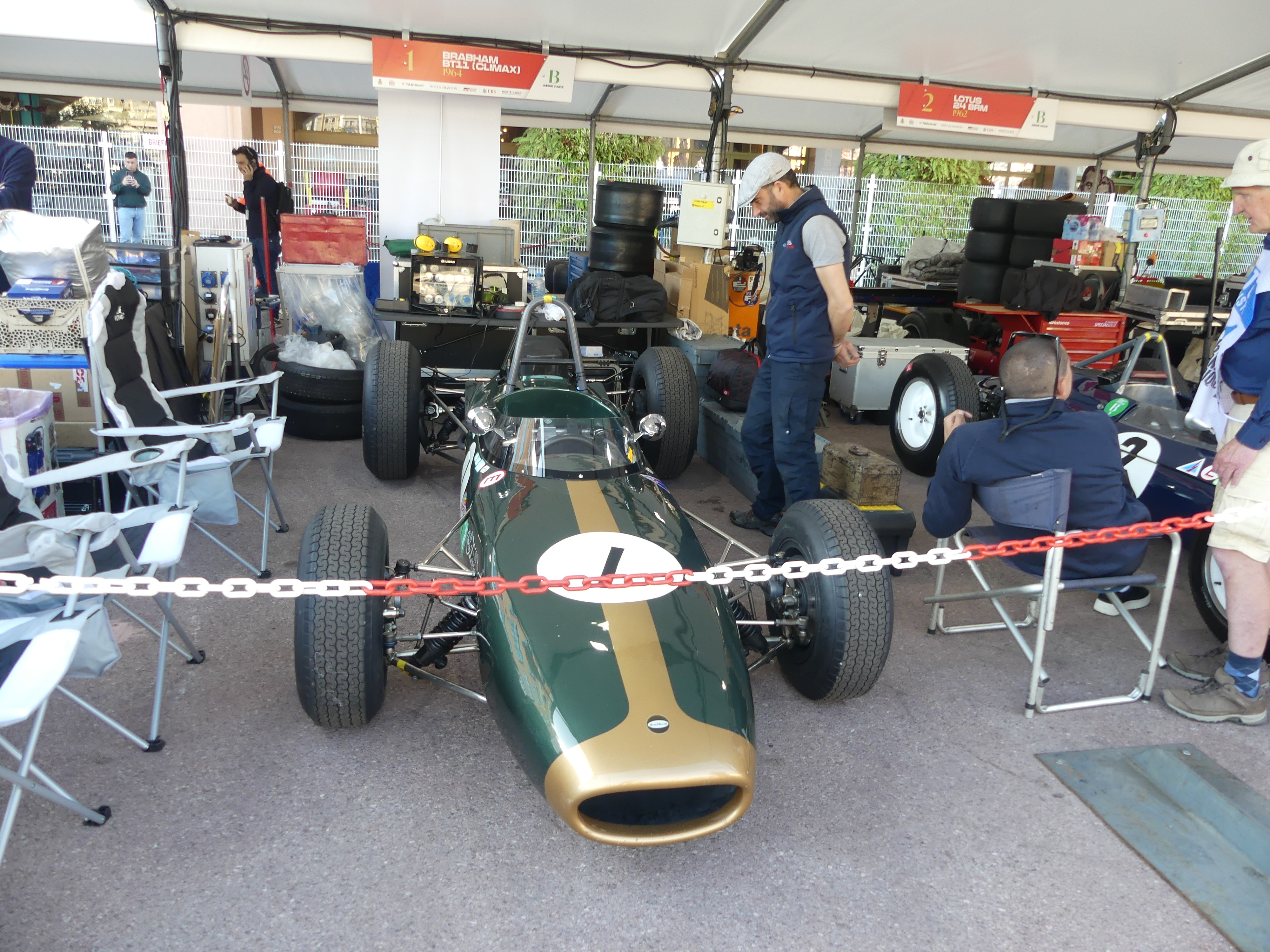
The next two groups are F1 Grand Prix cars 3 liter (1966-1972) and (1973-1976)
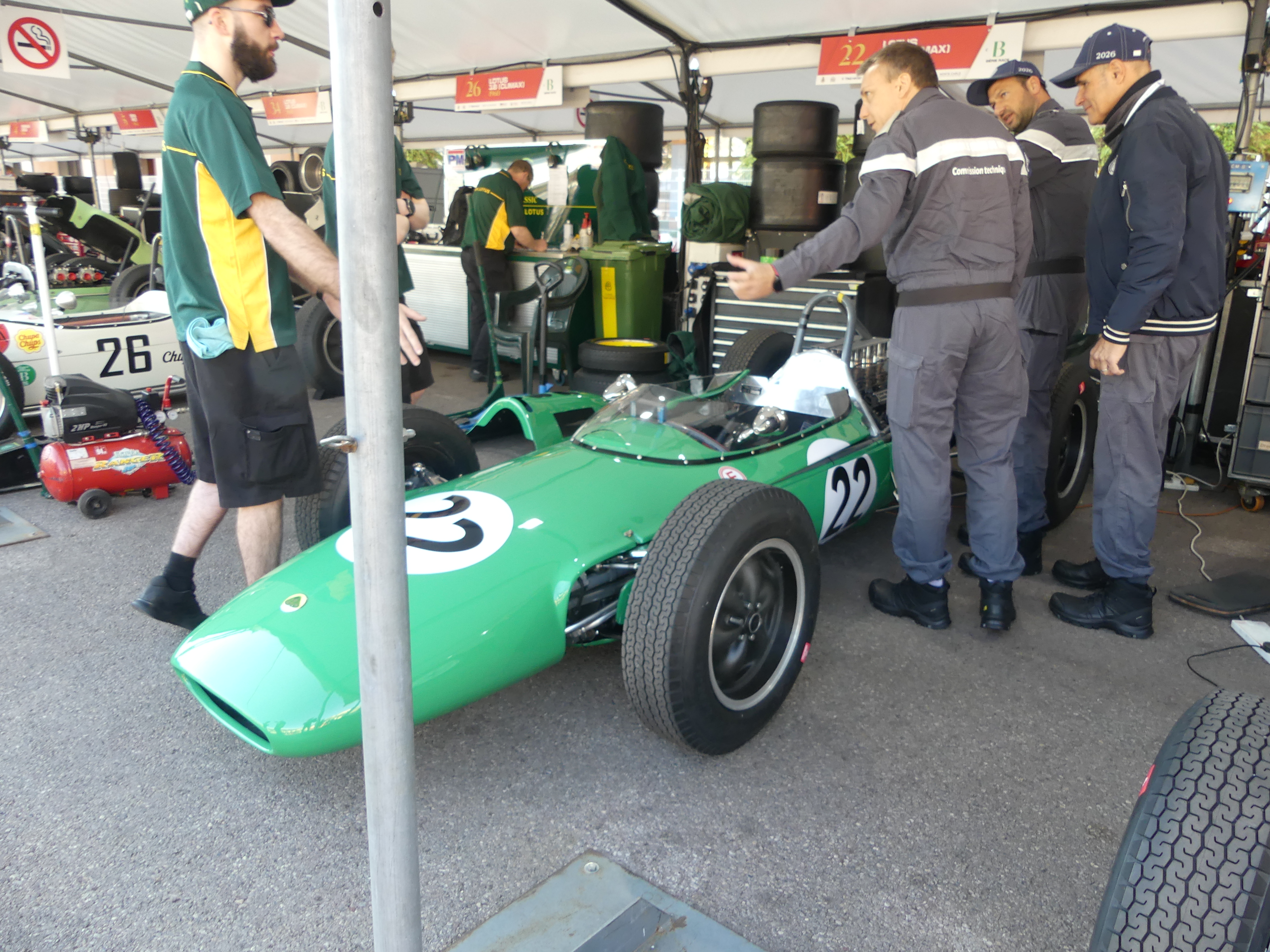
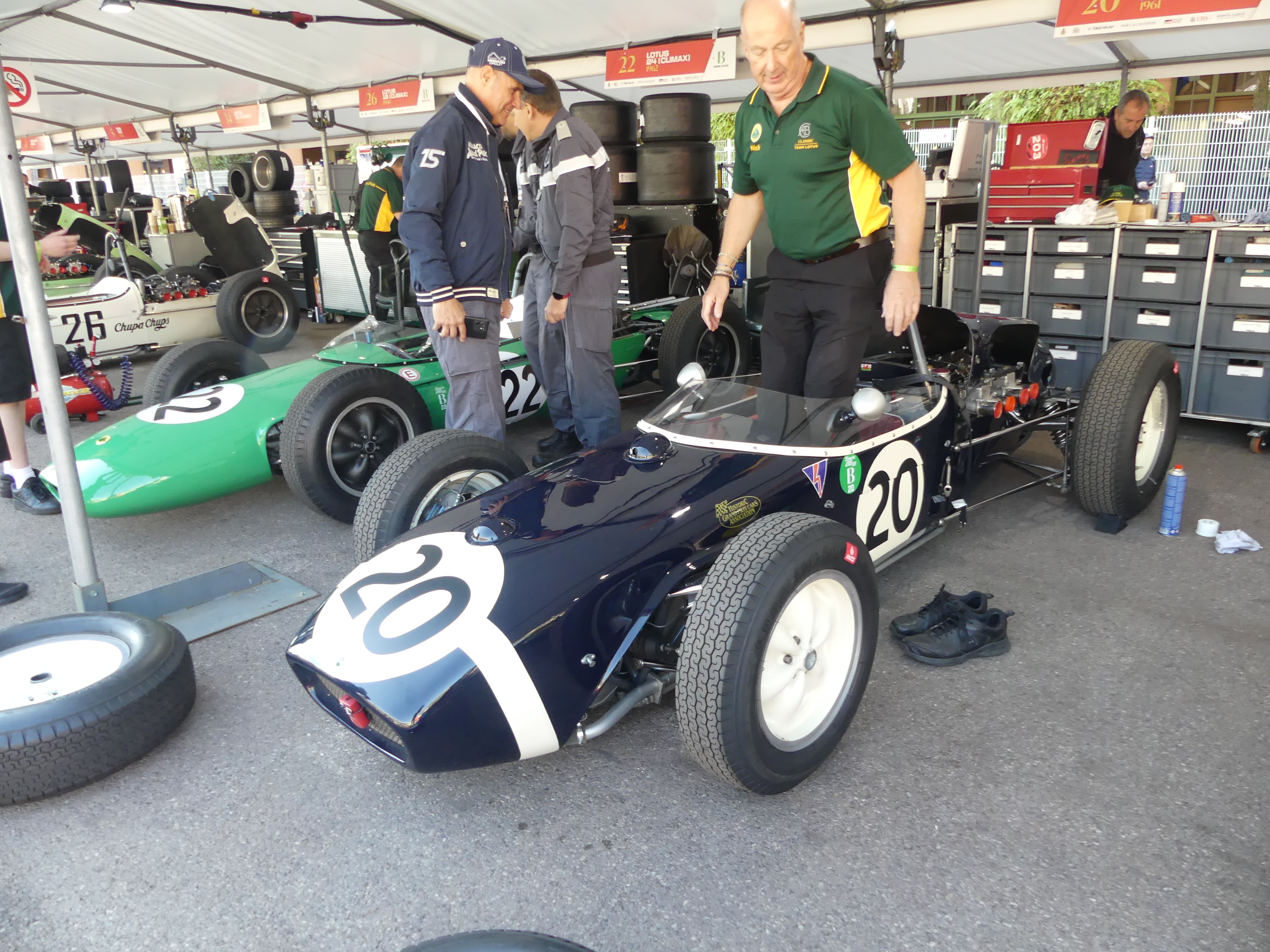
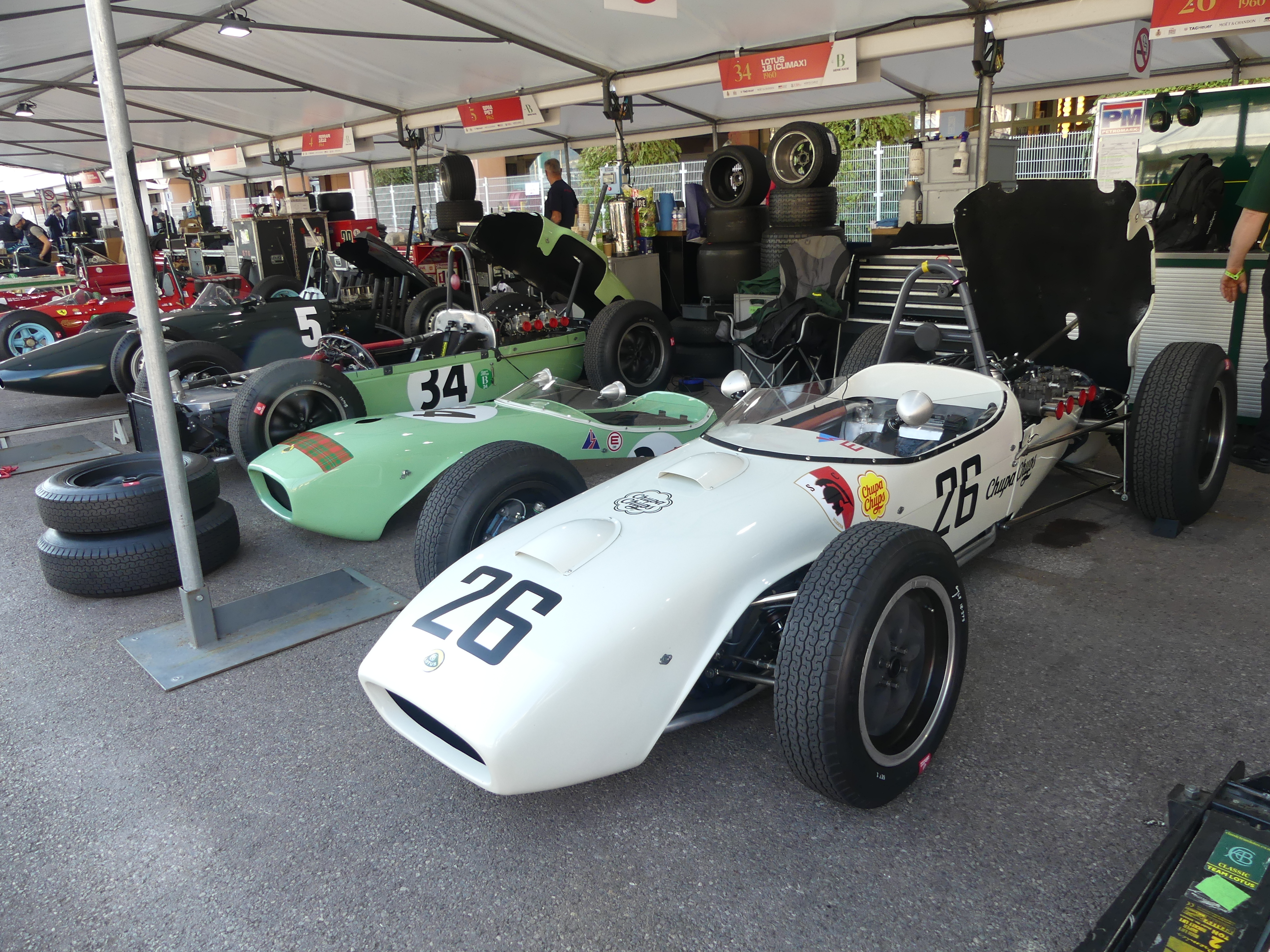
Followed by Sports Racing Cars – front engine (1952-1957)
Then F1 Grand Prix cars (1977-1980)
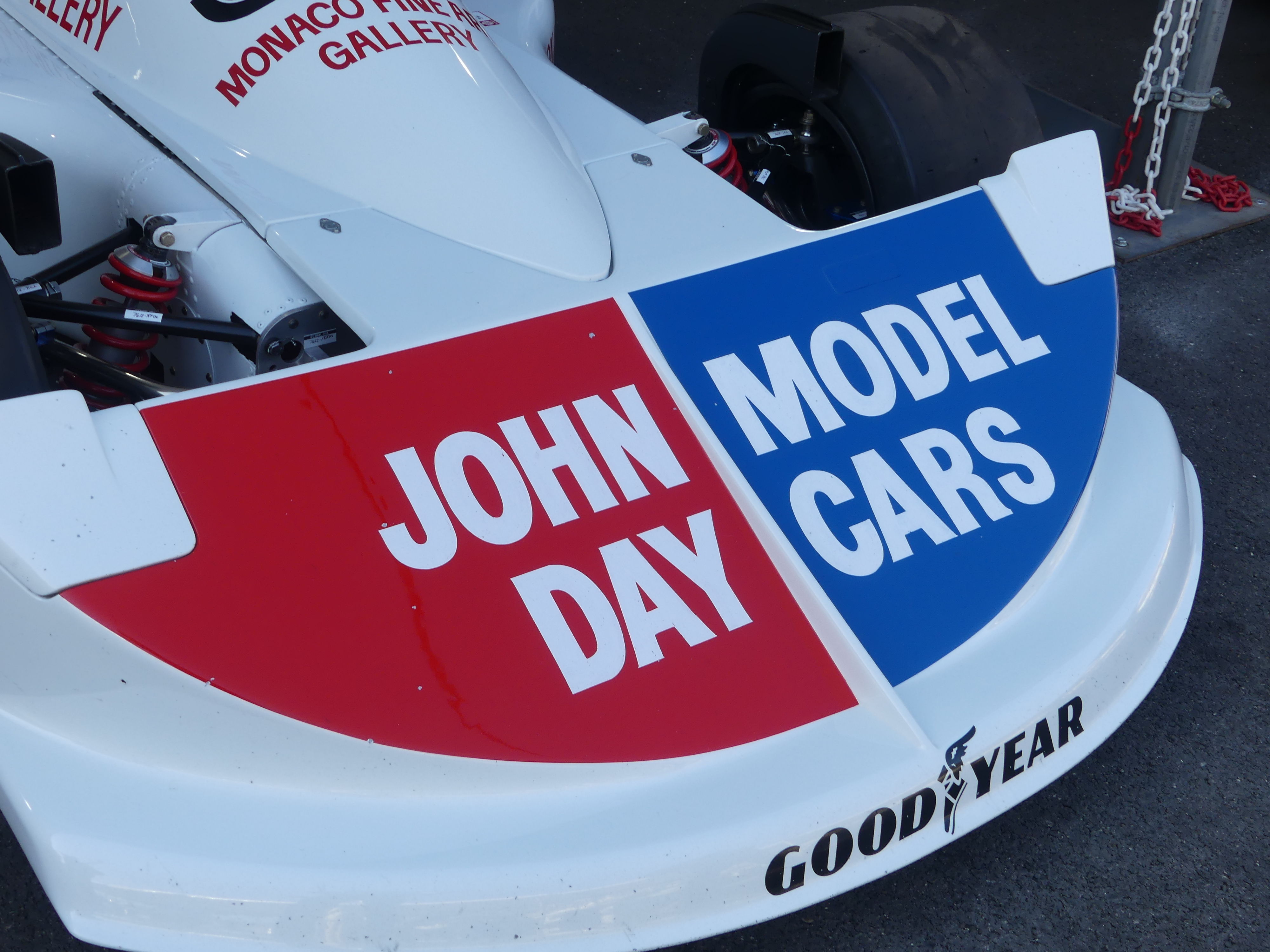
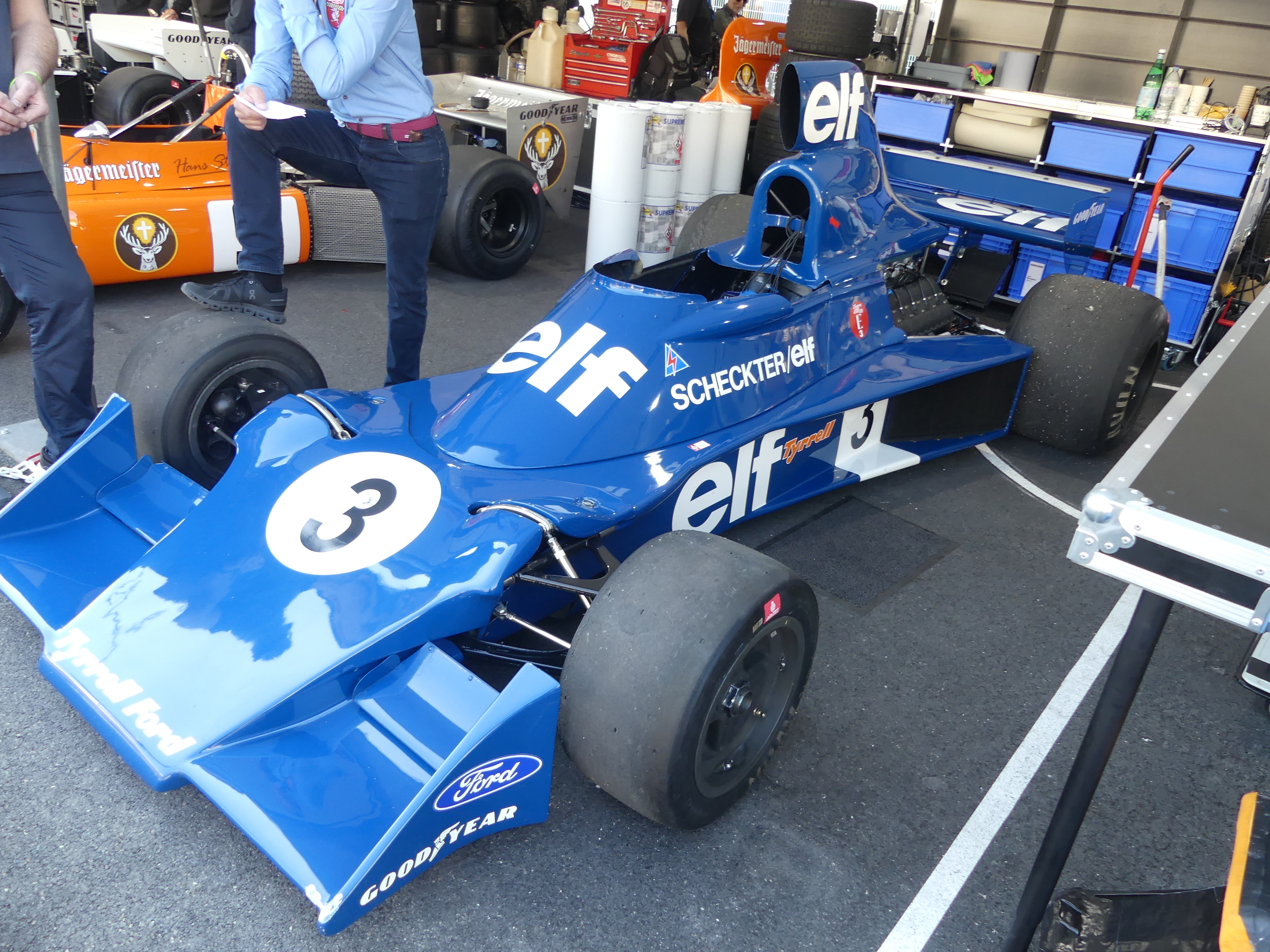
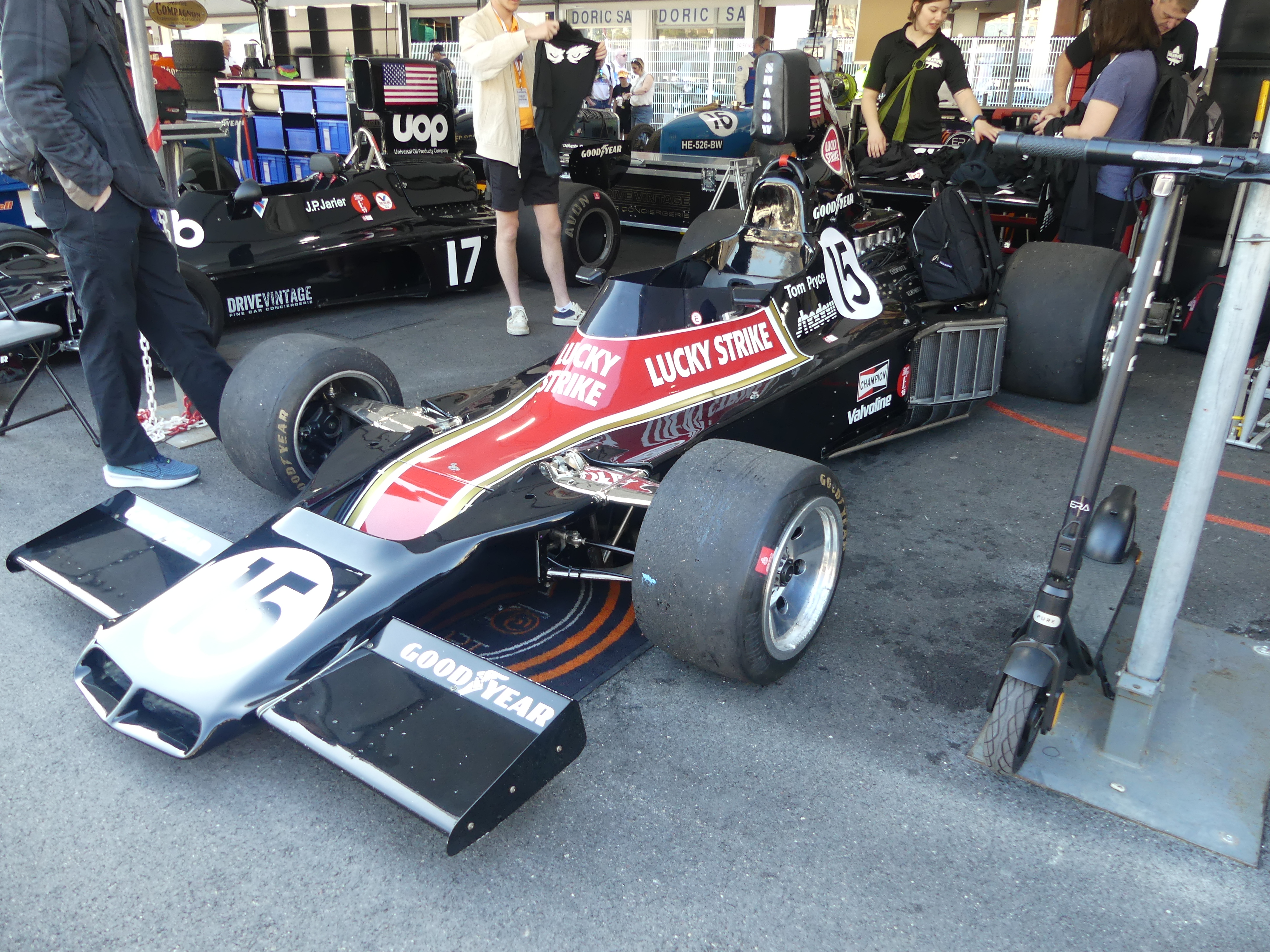
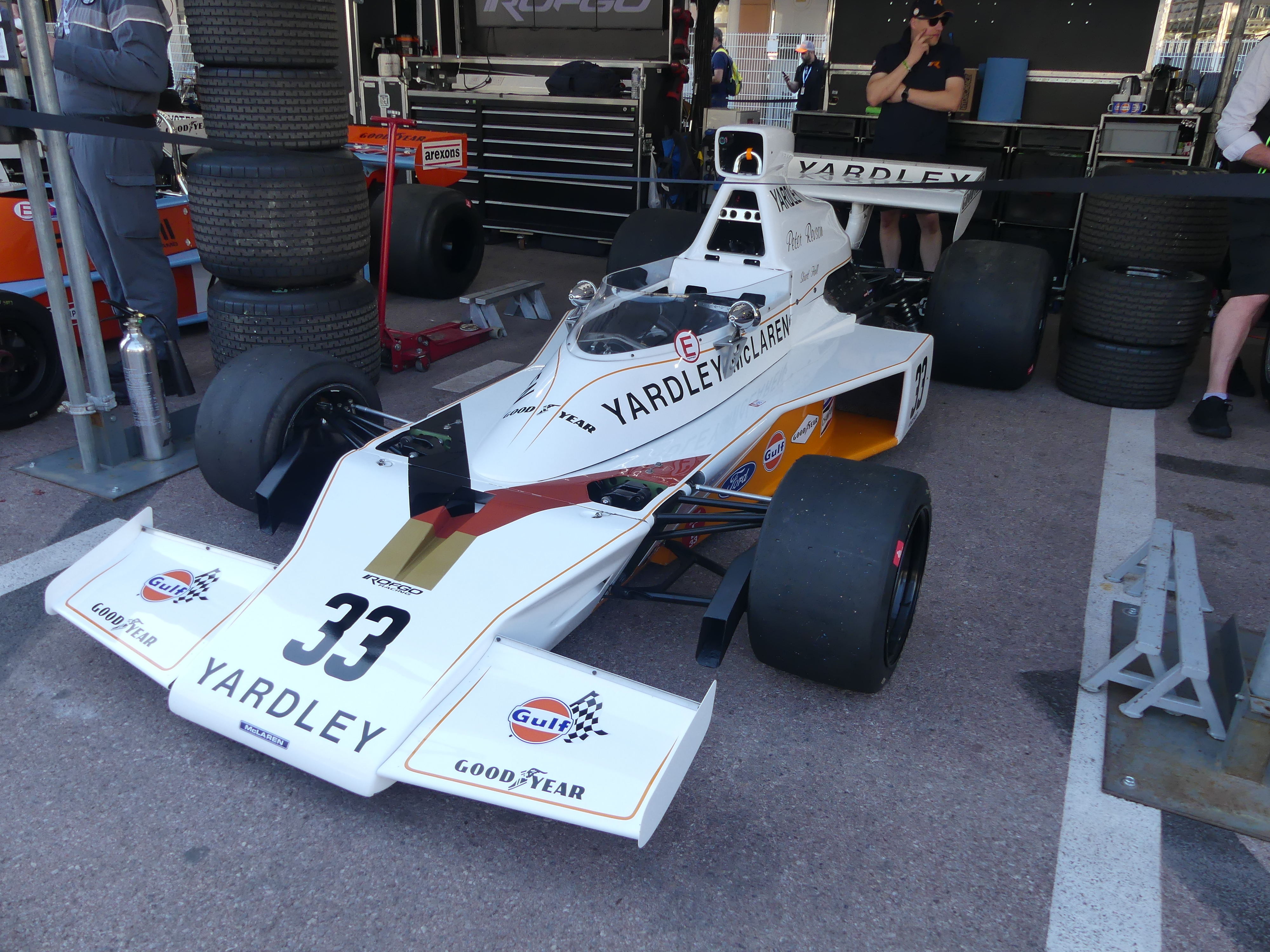
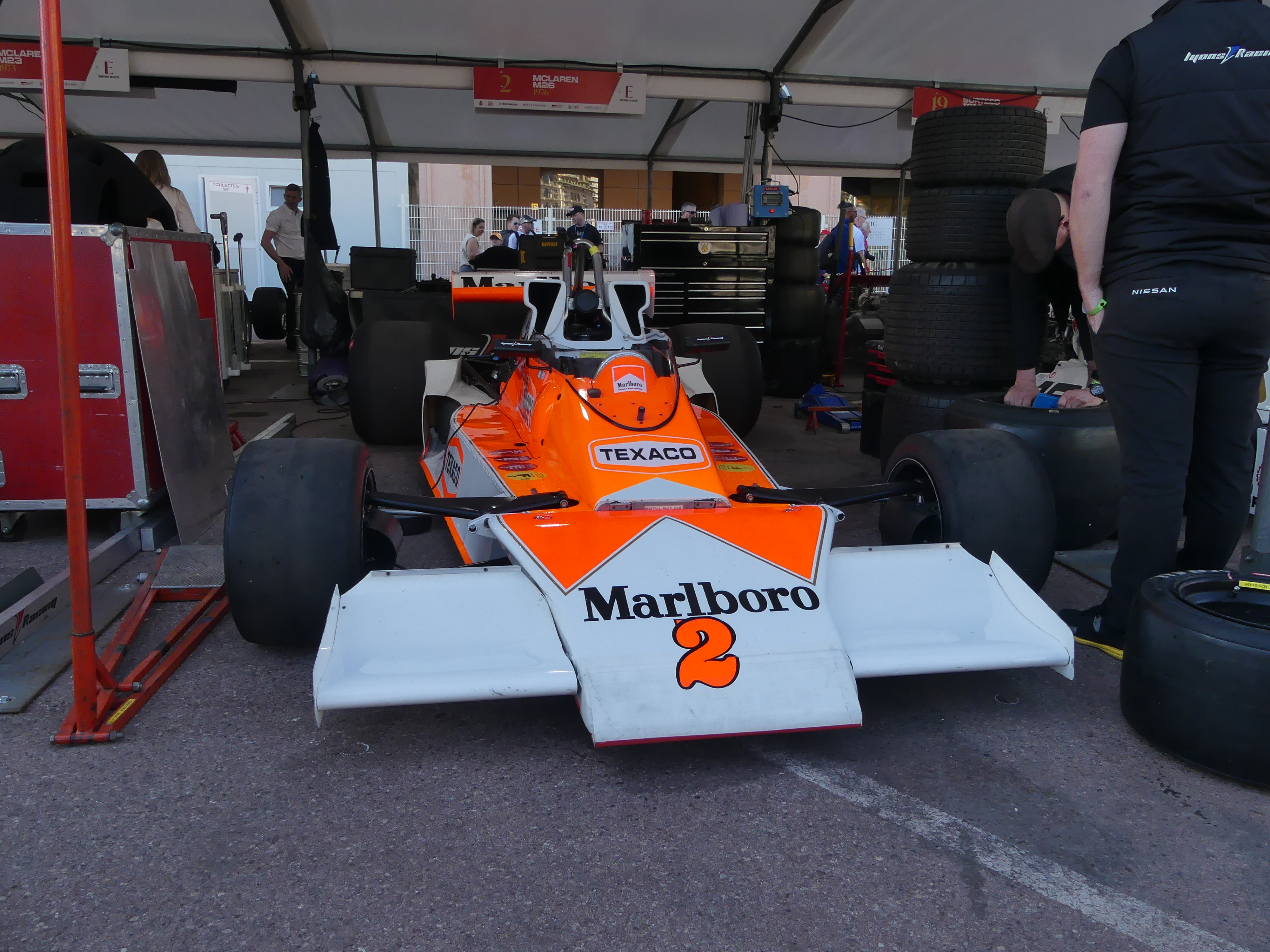
Finally, there are the F1 Grand Prix cars (1981-1985). These will include many of the aerodynamic devices that changed F1 dramatically and brought cornering speeds to unbelievable levels (at the time).
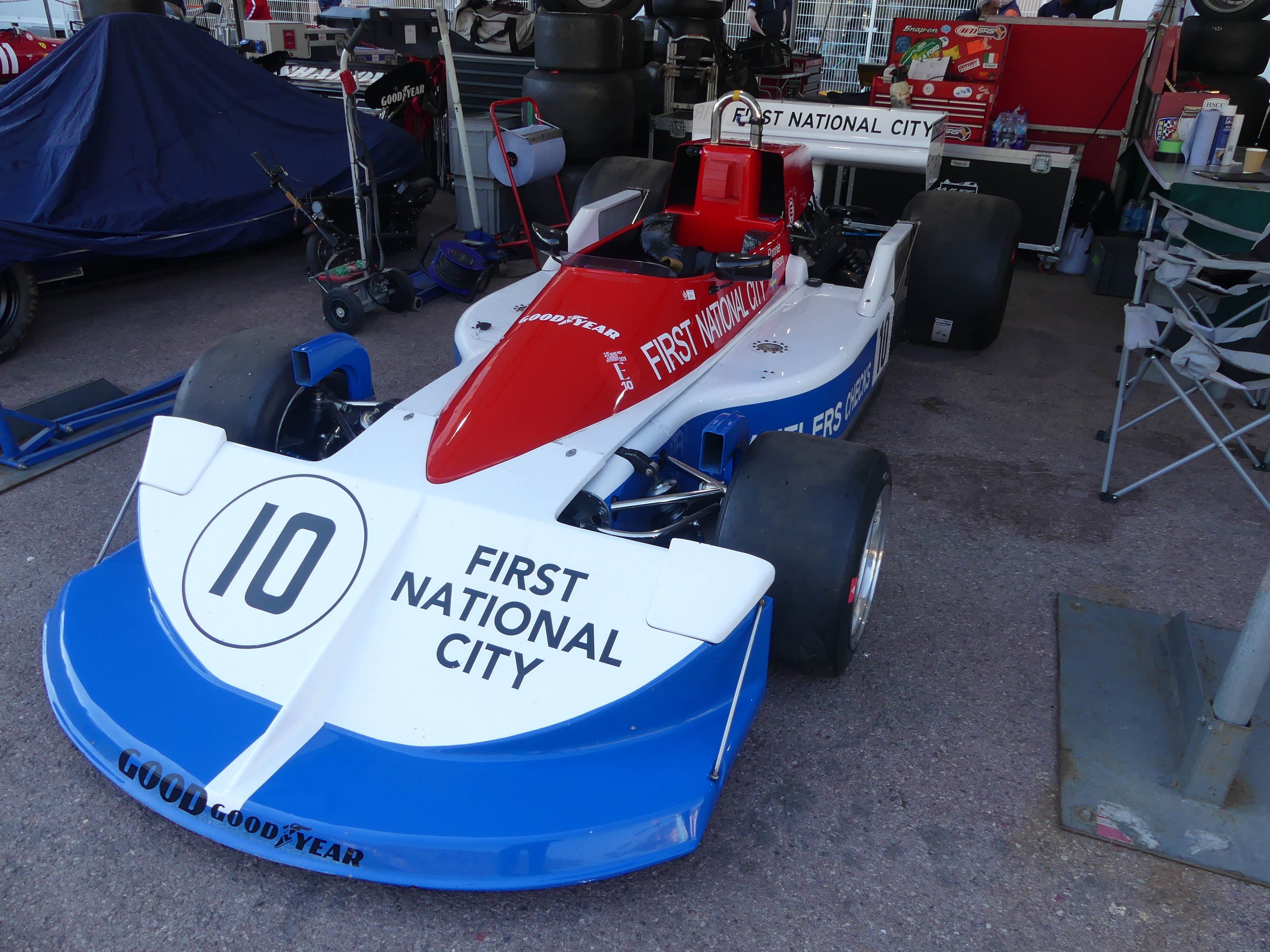
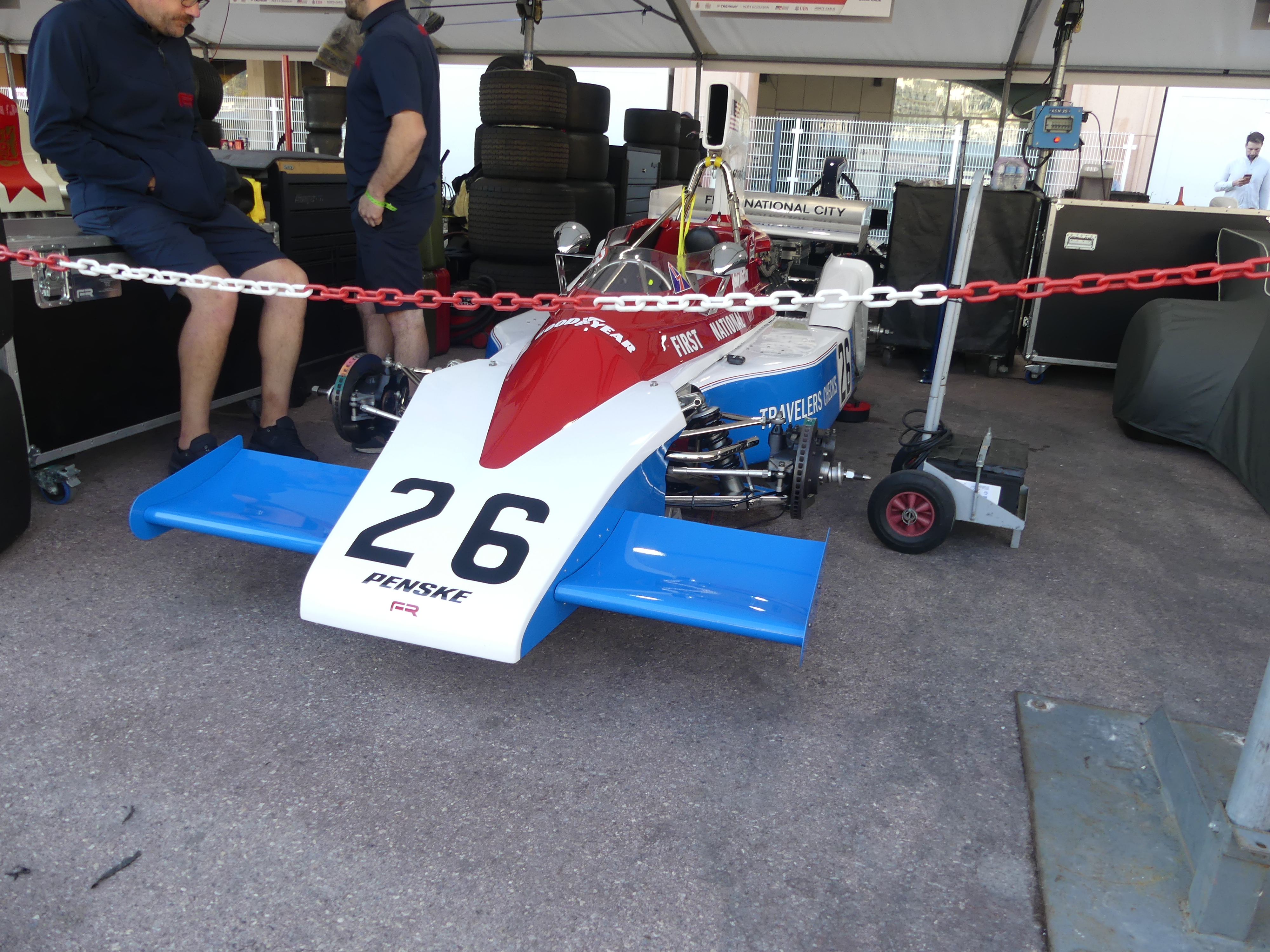
Friday morning I was able to walk over to “pit” area where cars of all the classes were kept under a large tent where they were being prepared for the track sessions to come.
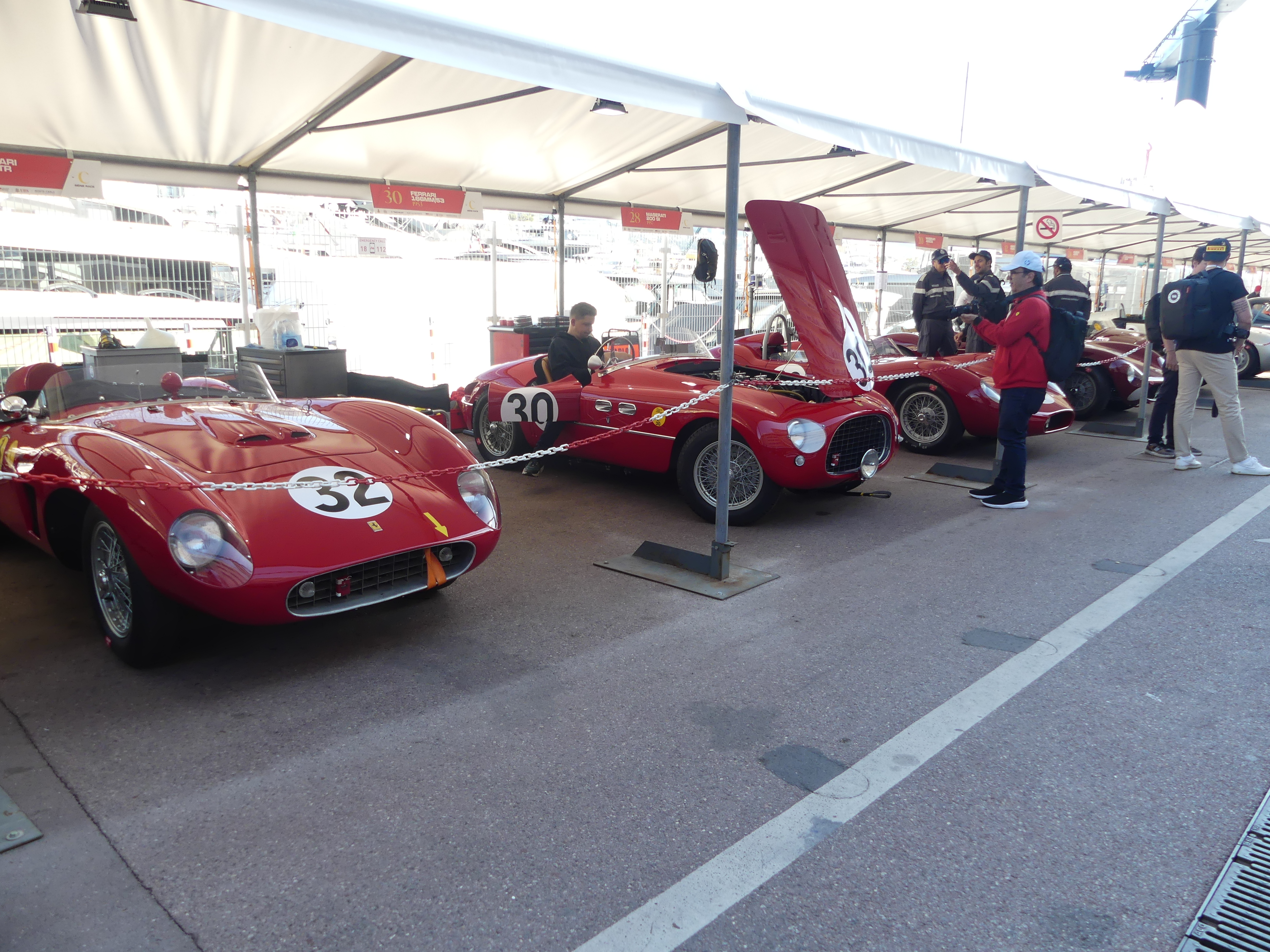
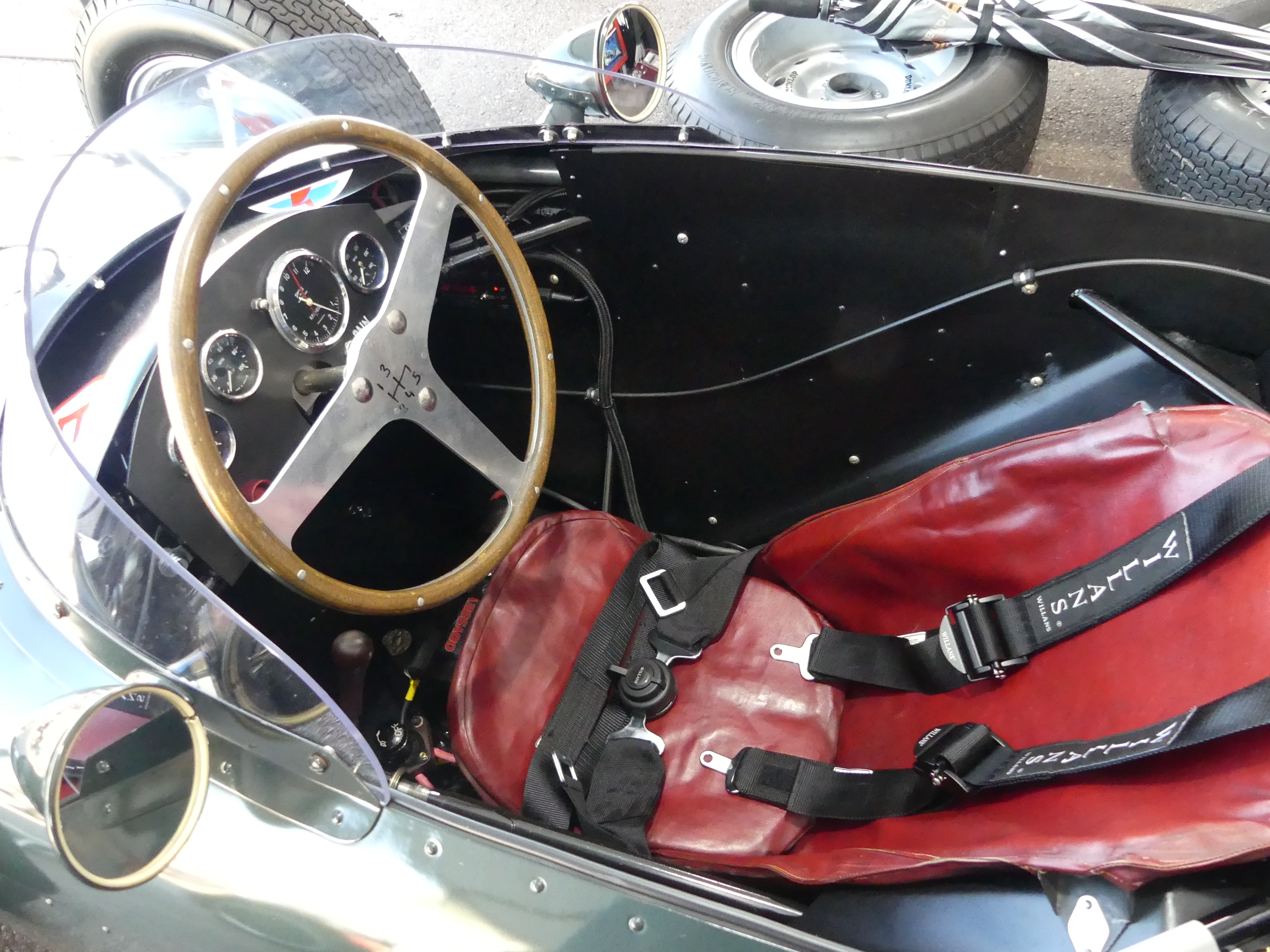
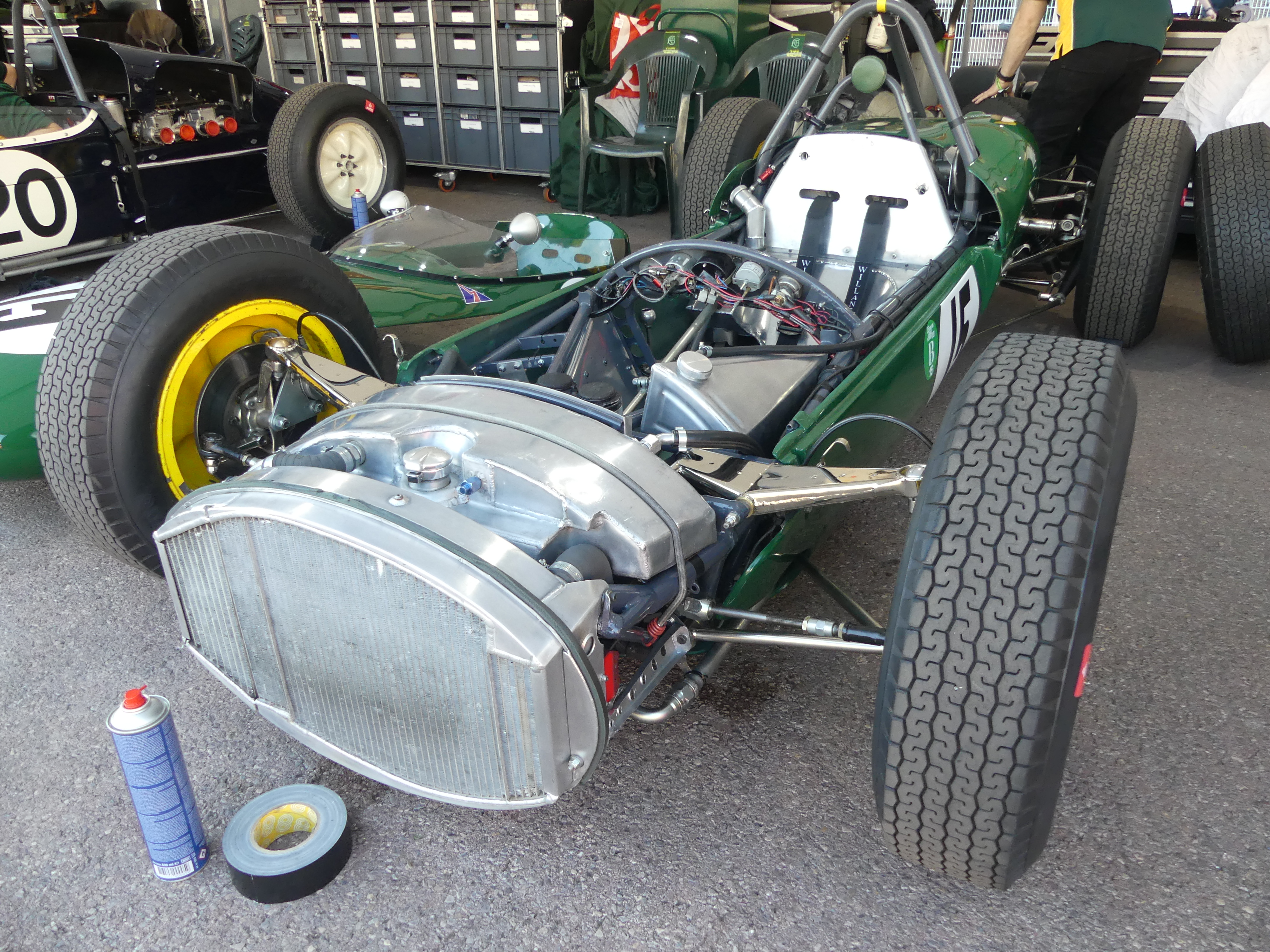
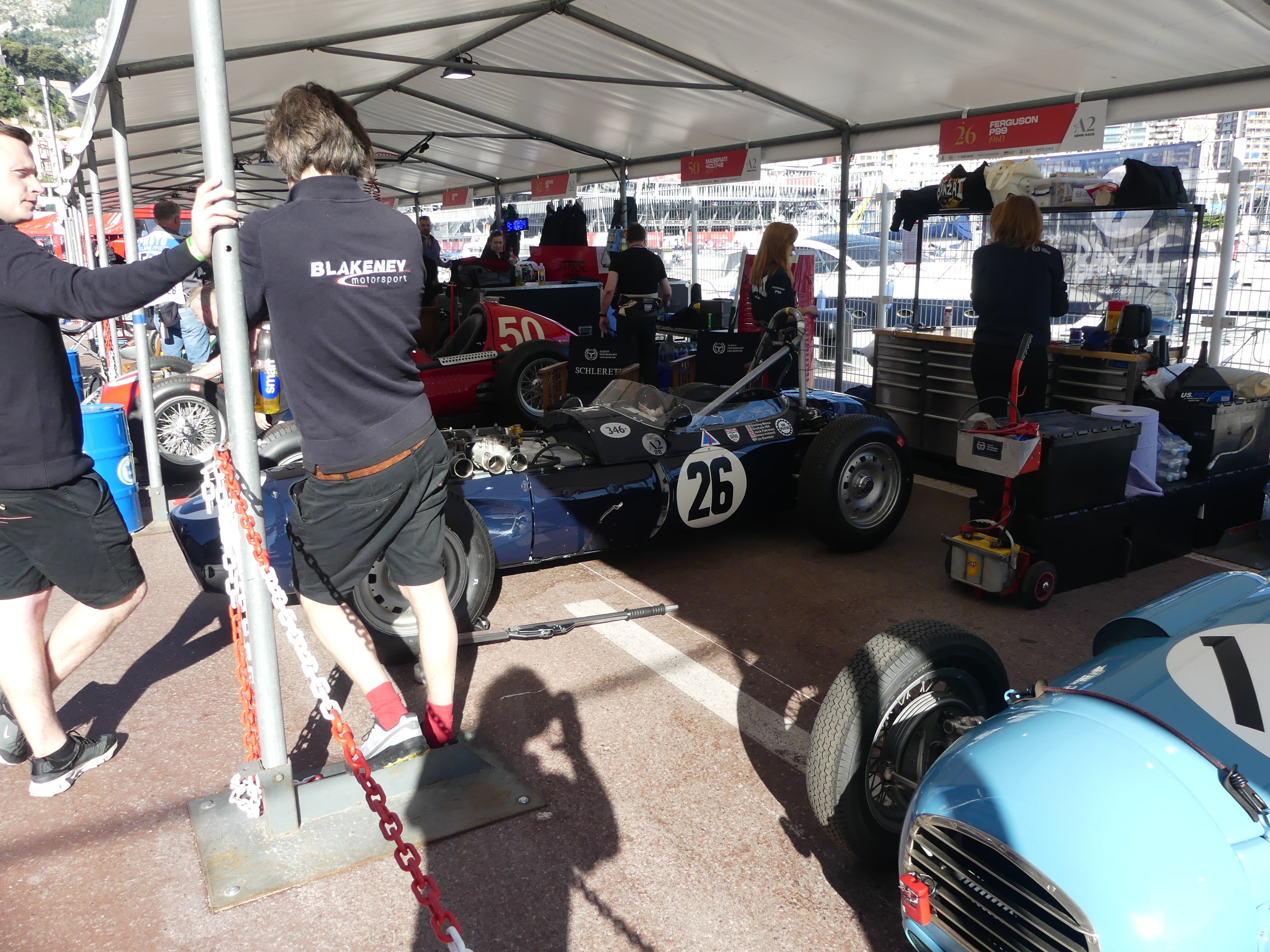
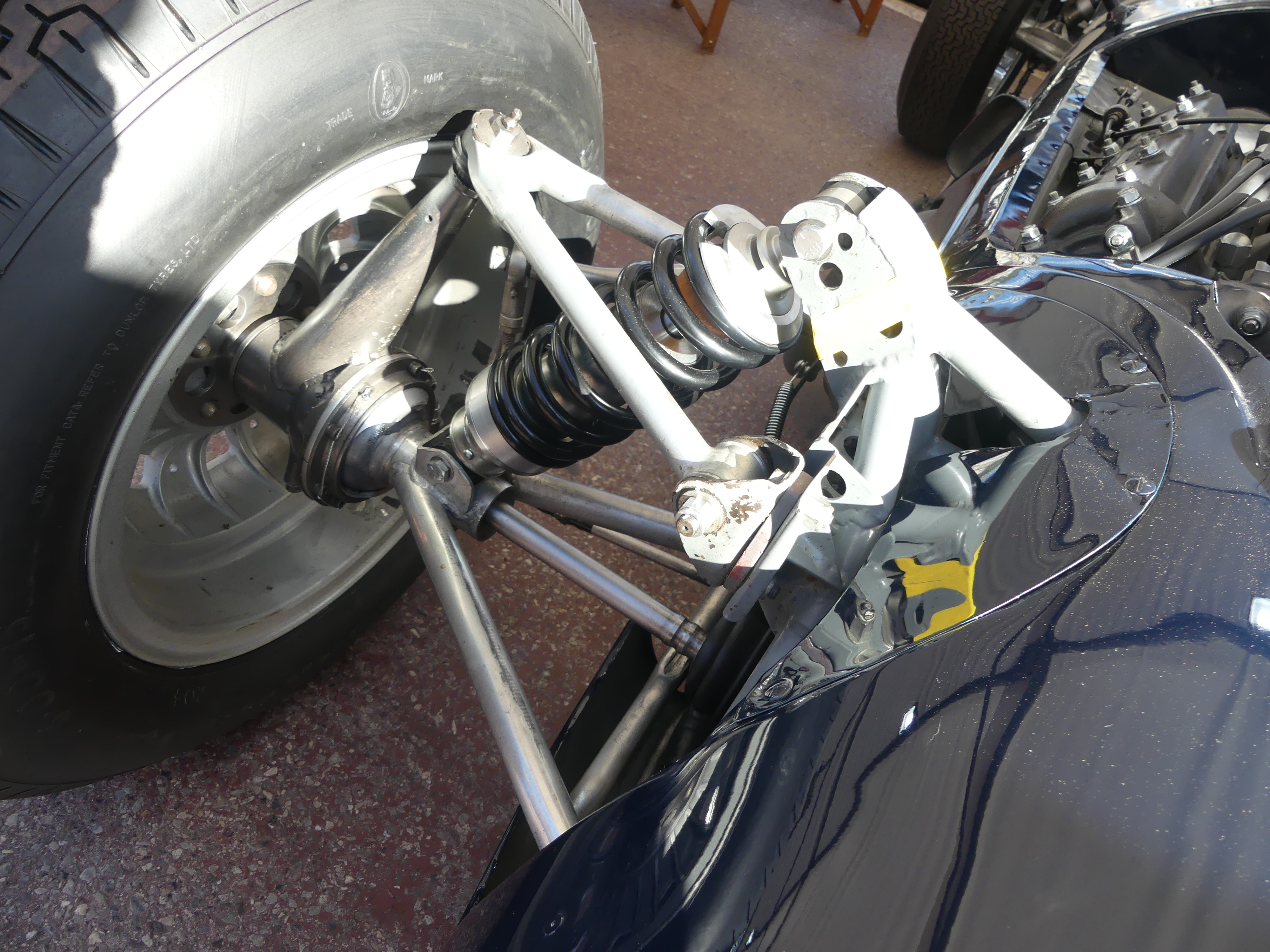
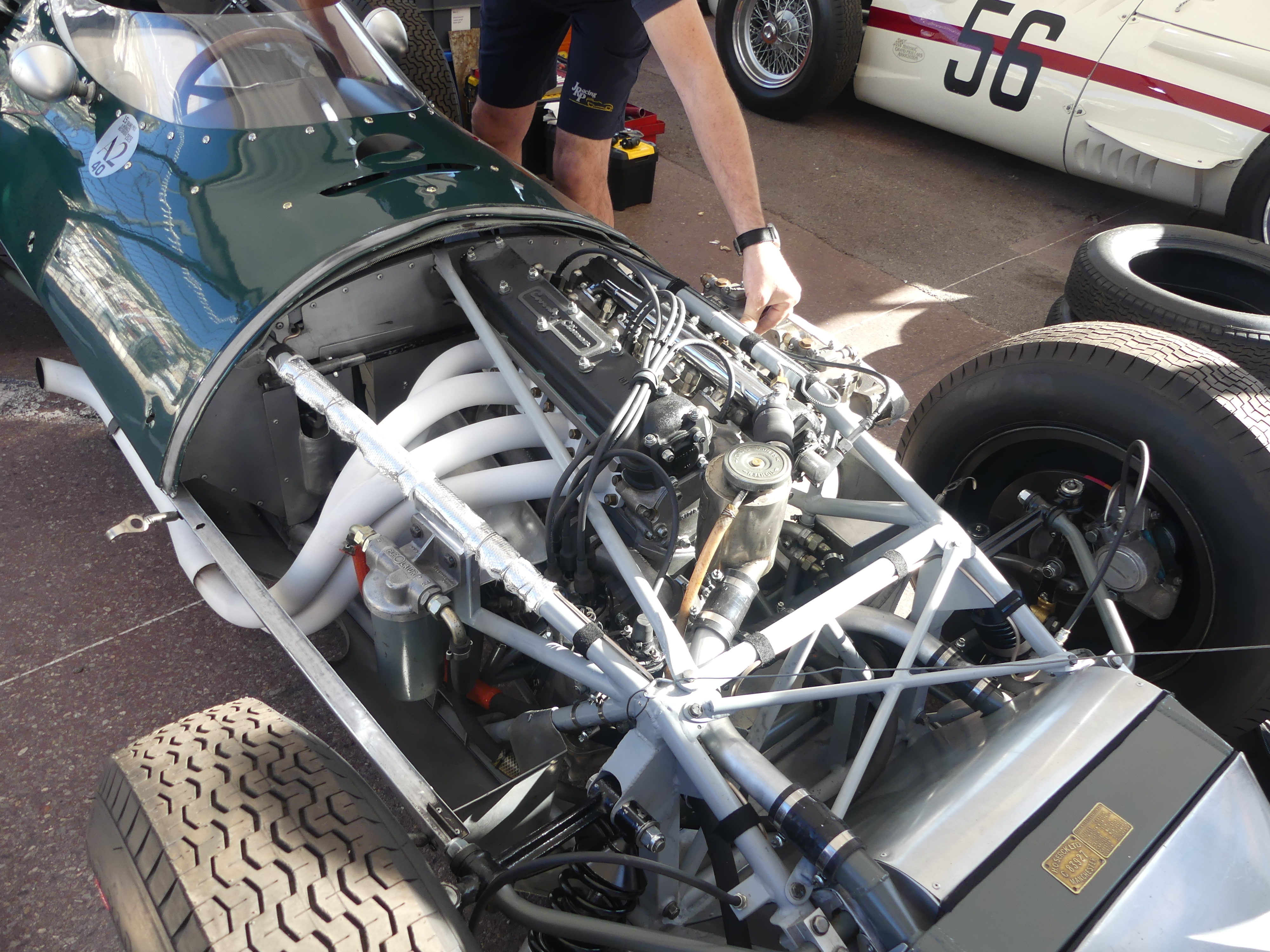
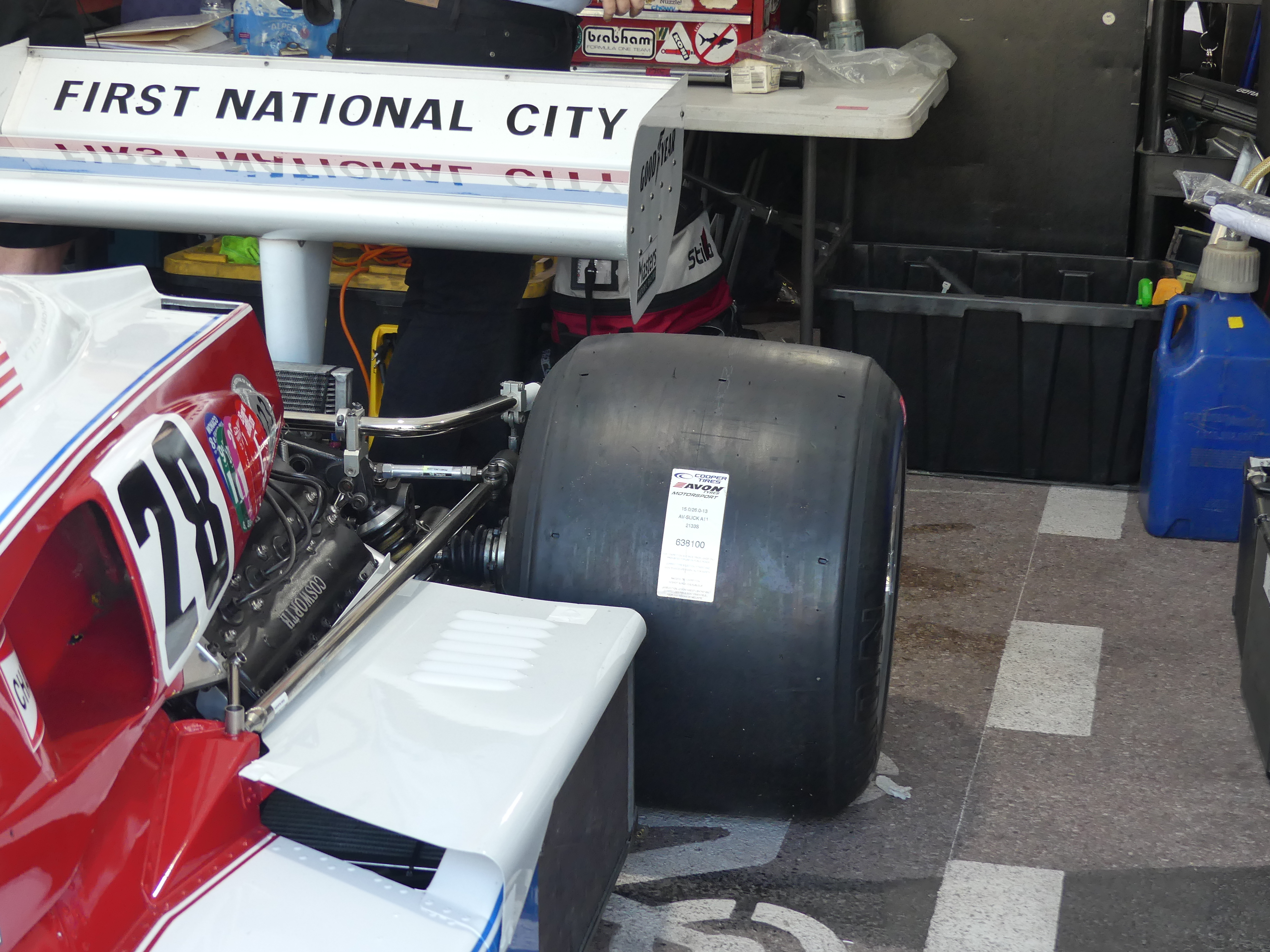
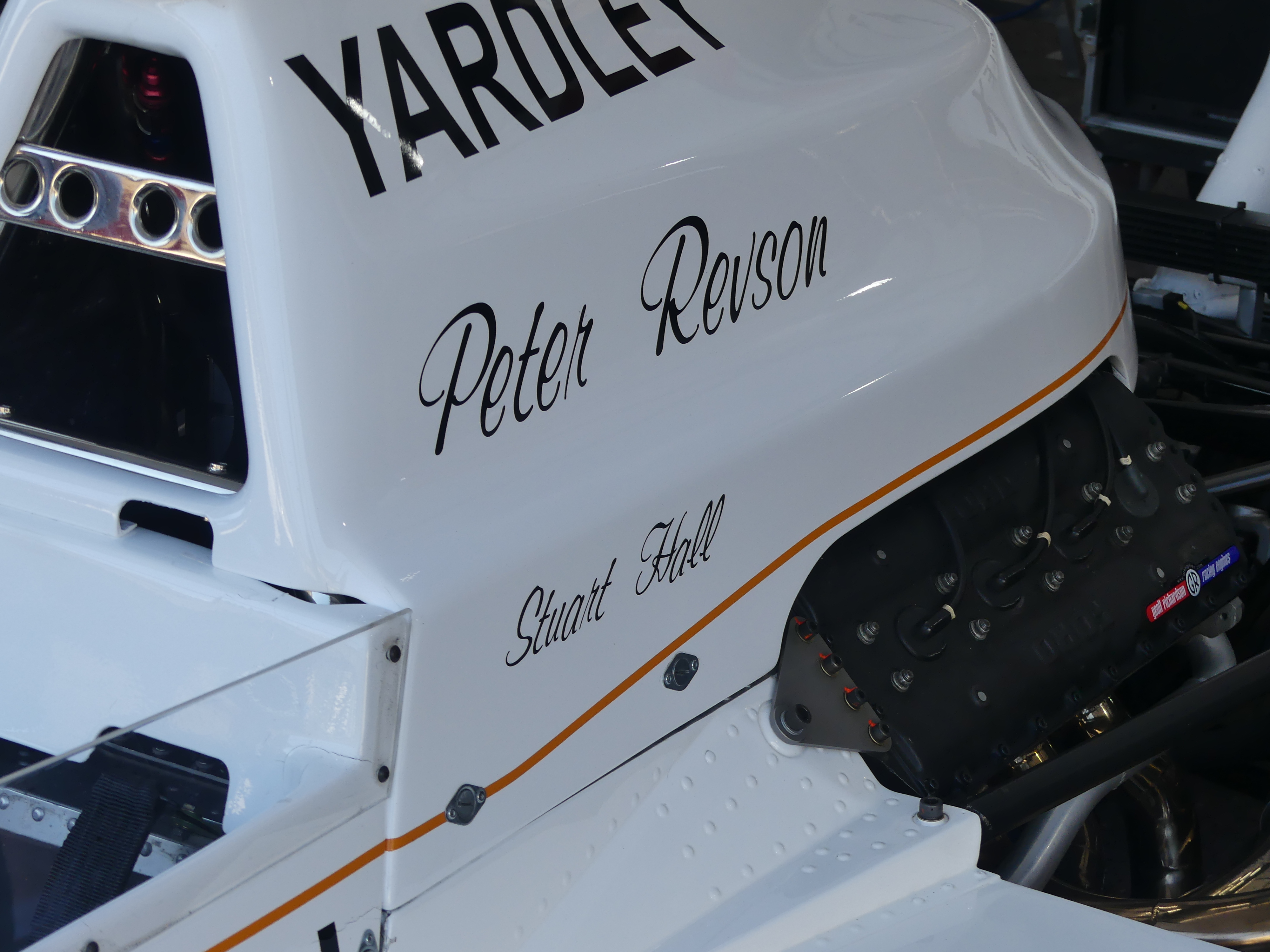
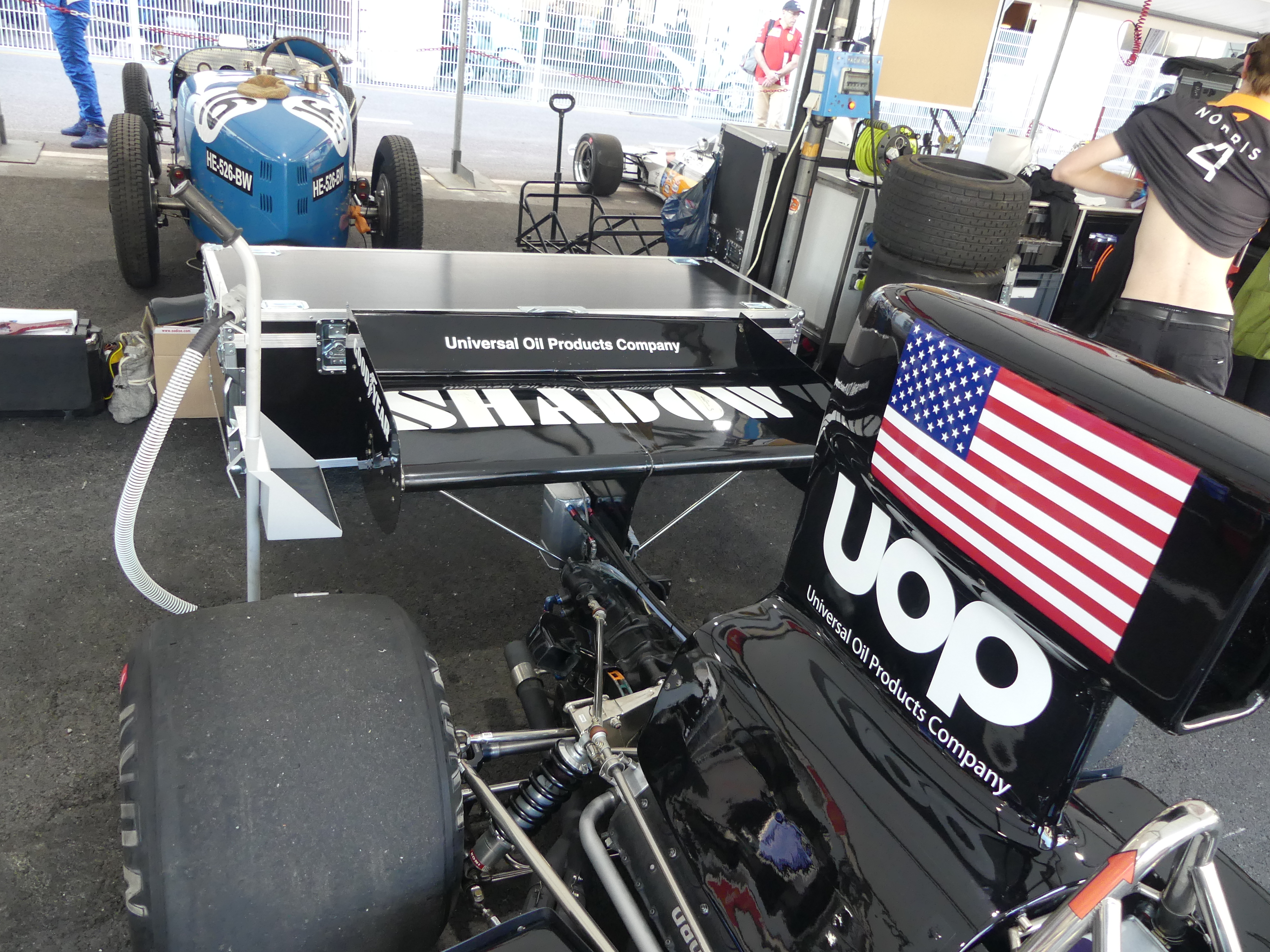
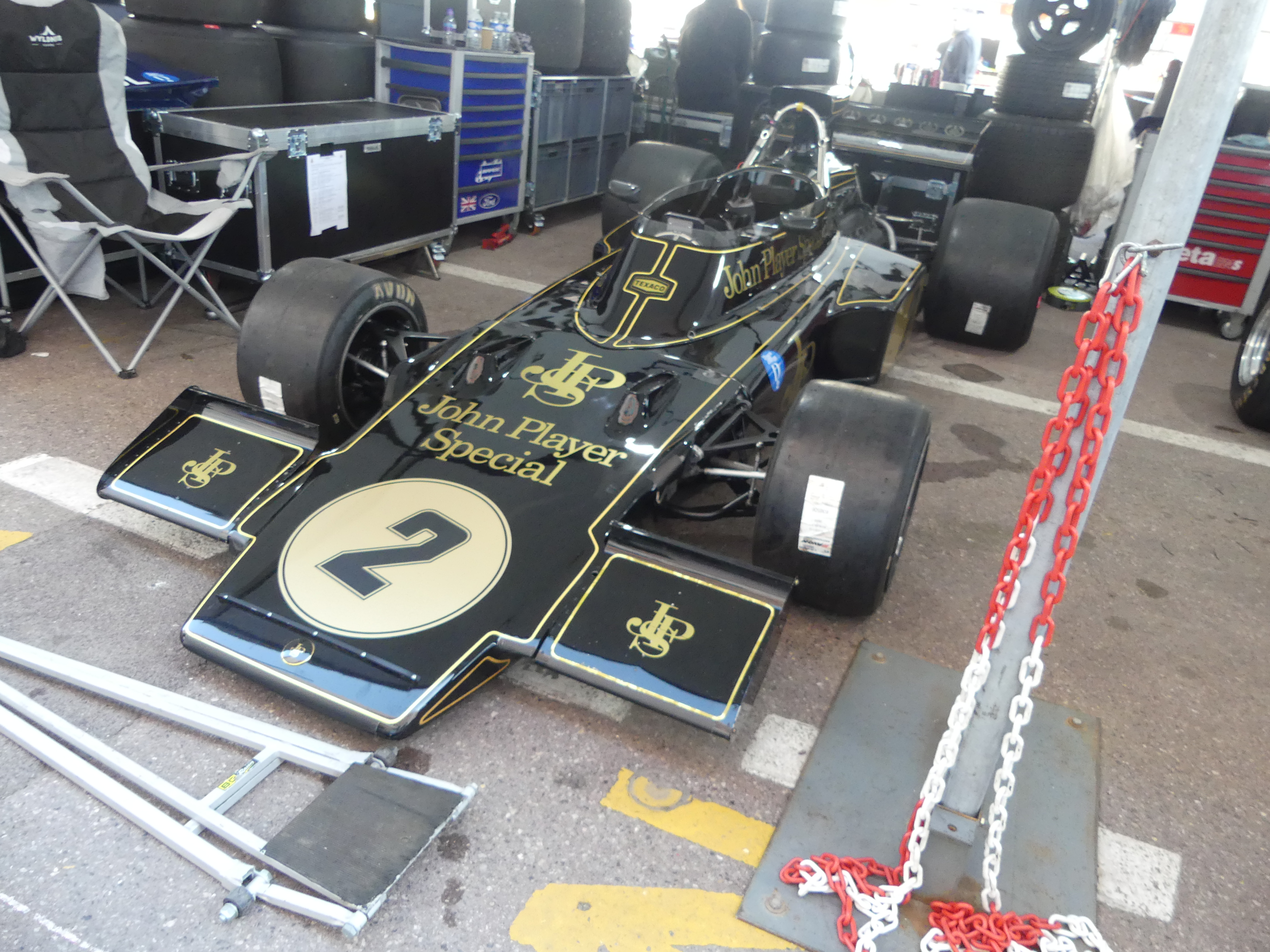
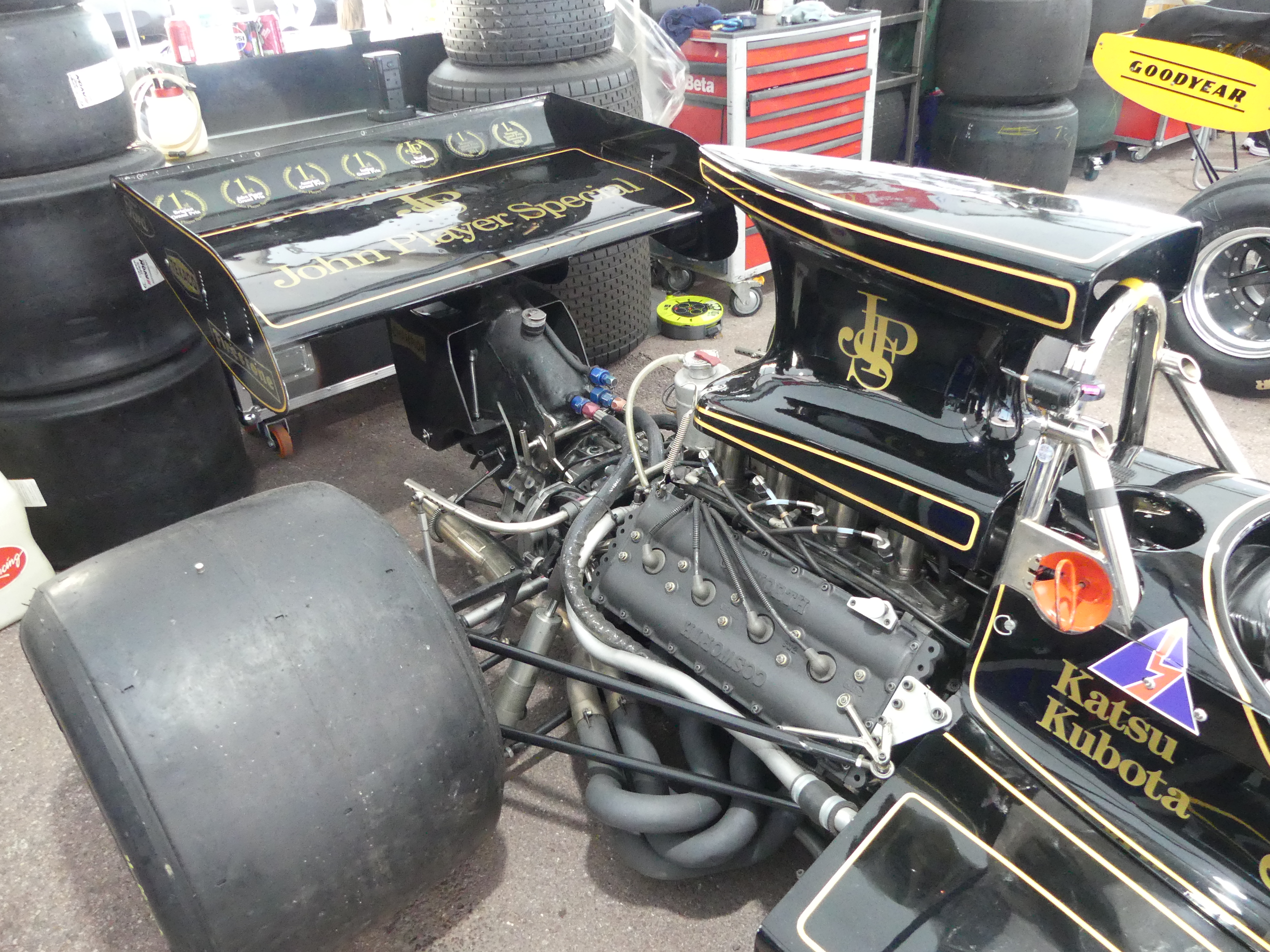
Back in my youth there was no live television coverage of Formula 1 in the US. I would either read about it in the few magazines that covered that part of racing or ABC’s Wide World of Sports weekend television show would show highlights of the Monaco race.
US coverage of racing pretty much focused on the Indianapolis 500 and what became NASCAR, along with USAC in the late 1960s and early 1970s. It took years before there was anything on the WRC (World Rally Championship), and even that was mostly in magazines. TransAm and CanAm took off in the late 1960s in the US with a very modest amount of TV coverage. Still, thanks to magazines such as Road &Track, Car and Driver these racing series were afforded coverage. If you were really in the know there was a newsprint edition of Competition Press that later became Autoweek.
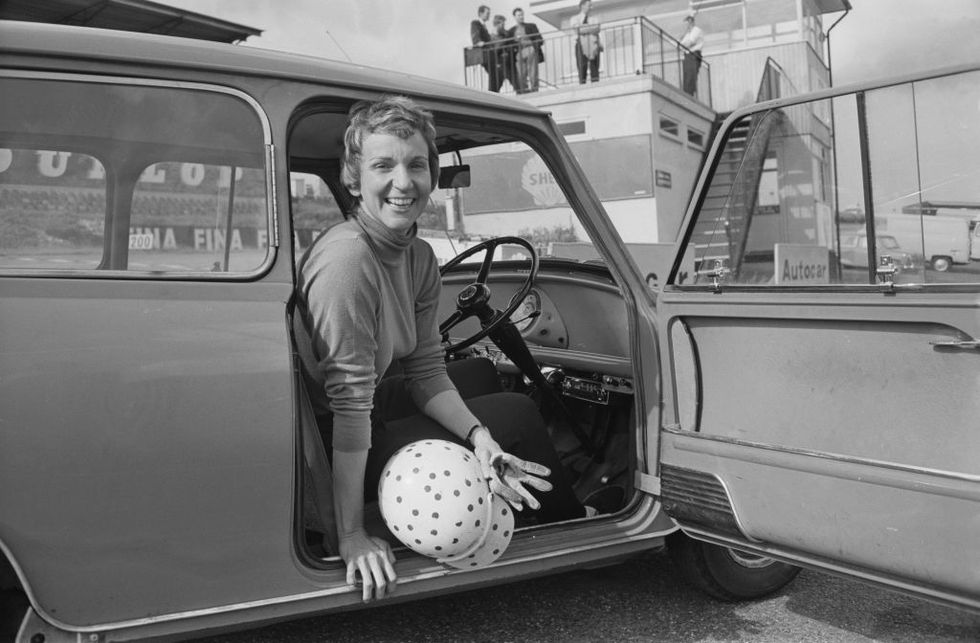
American racing driver and journalist Denise McCluggage founded Competition Press.
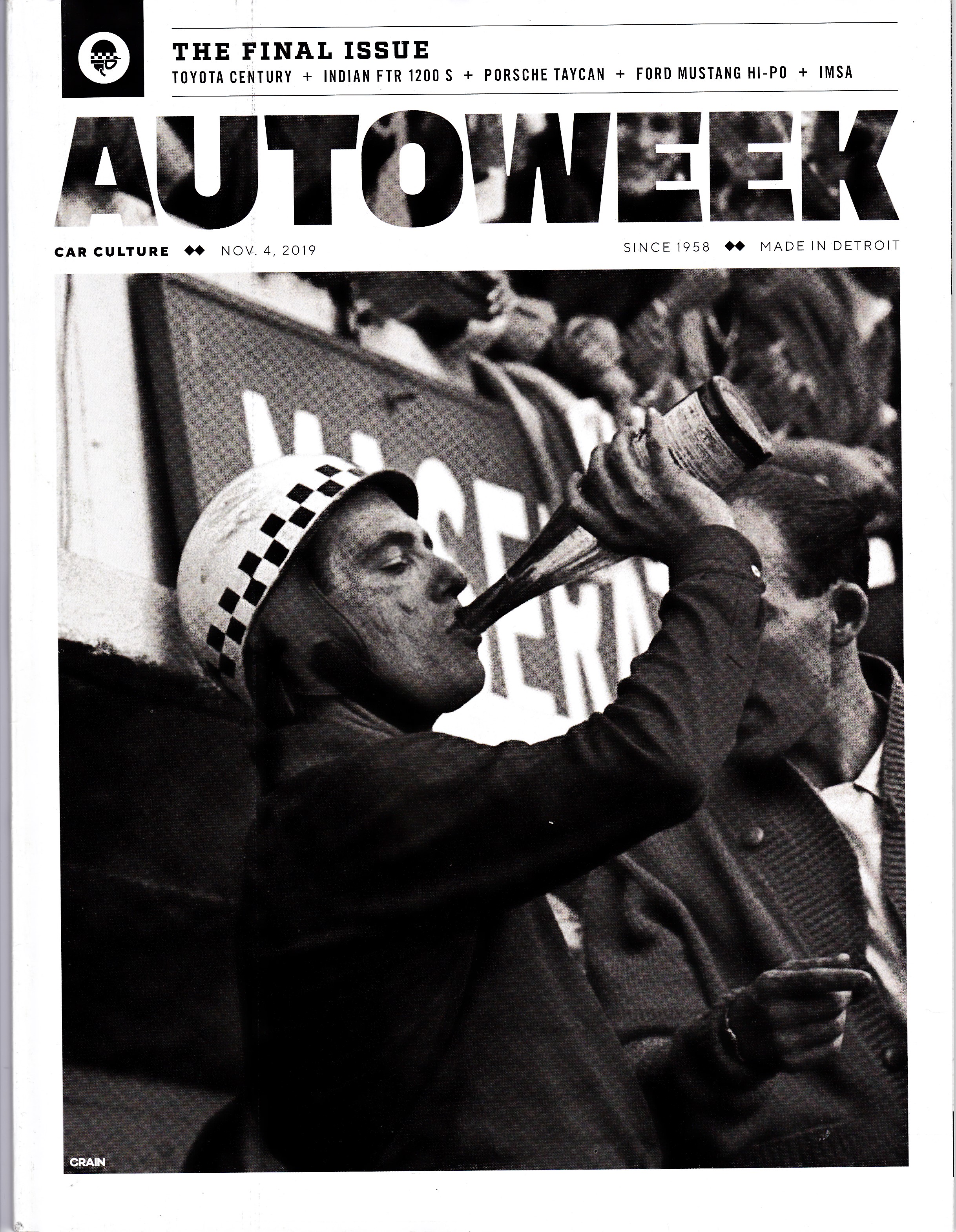
For me Formula 1 was the greatest of automotive racing in the world (with WRC a very close second). Thanks to John Frankenheimer we in America, had the movie Grand Prix to whet our appetite for Formula 1.
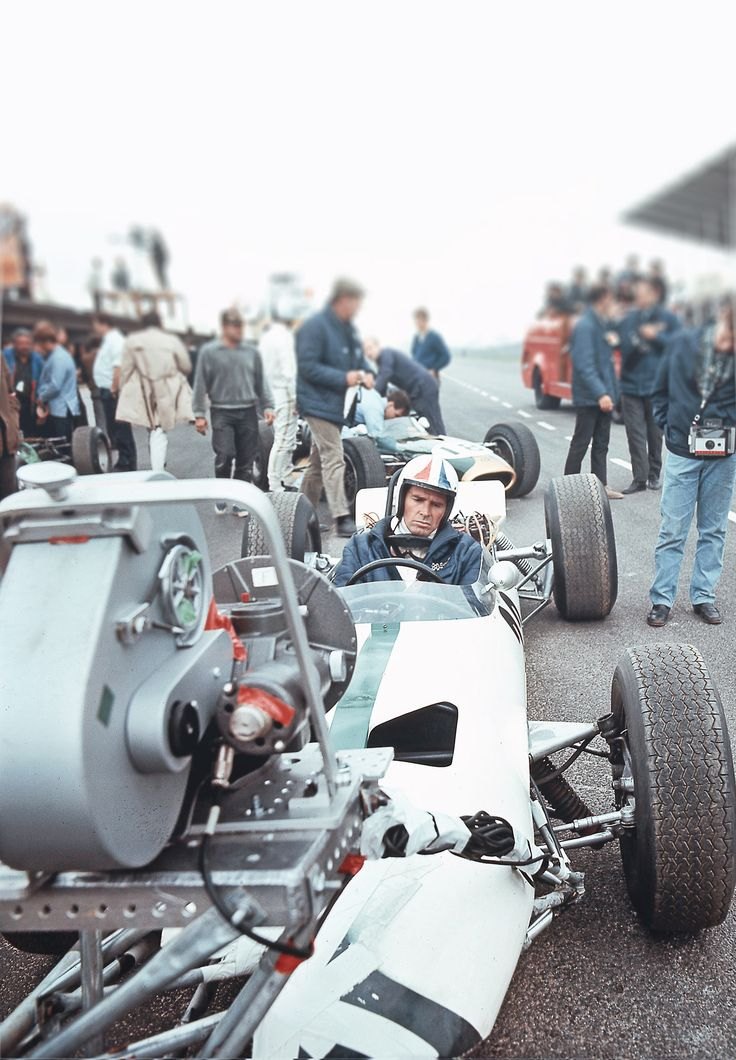
Of course I had my list of heroes of Formula 1, Phil Hill, Jim Clark, (Sir)Jackie Stewart, Dan Gurney, Mark Donahue, James Hunt, Sterling Moss, etc. Colin Chapman, a brilliant F1 car designer and builder had a philosophy of design that was as magical as it was dangerous.
So how did we get here?
Back in April I received a calendar of Monaco from Incentive Concept – Destination Grand Prix that featured photographs of F1 cars and events in Monaco. It came with a business card from their Sales Supervisor, Charlotte, so I sent her a thankyou email outlining how many wonderful memories the calendar brought back to me. Next thing I knew I was offered a three-day weekend on their yacht to enjoy the view of the Historic Grand Prix. How could we turn down such a once in a lifetime opportunity? We accepted and expanded it to include walking tours of Nice, Eze, Monaco, Monte Carlo, and San Remo. Their hospitality was exceptional and we enjoyed an unforgettable experience.
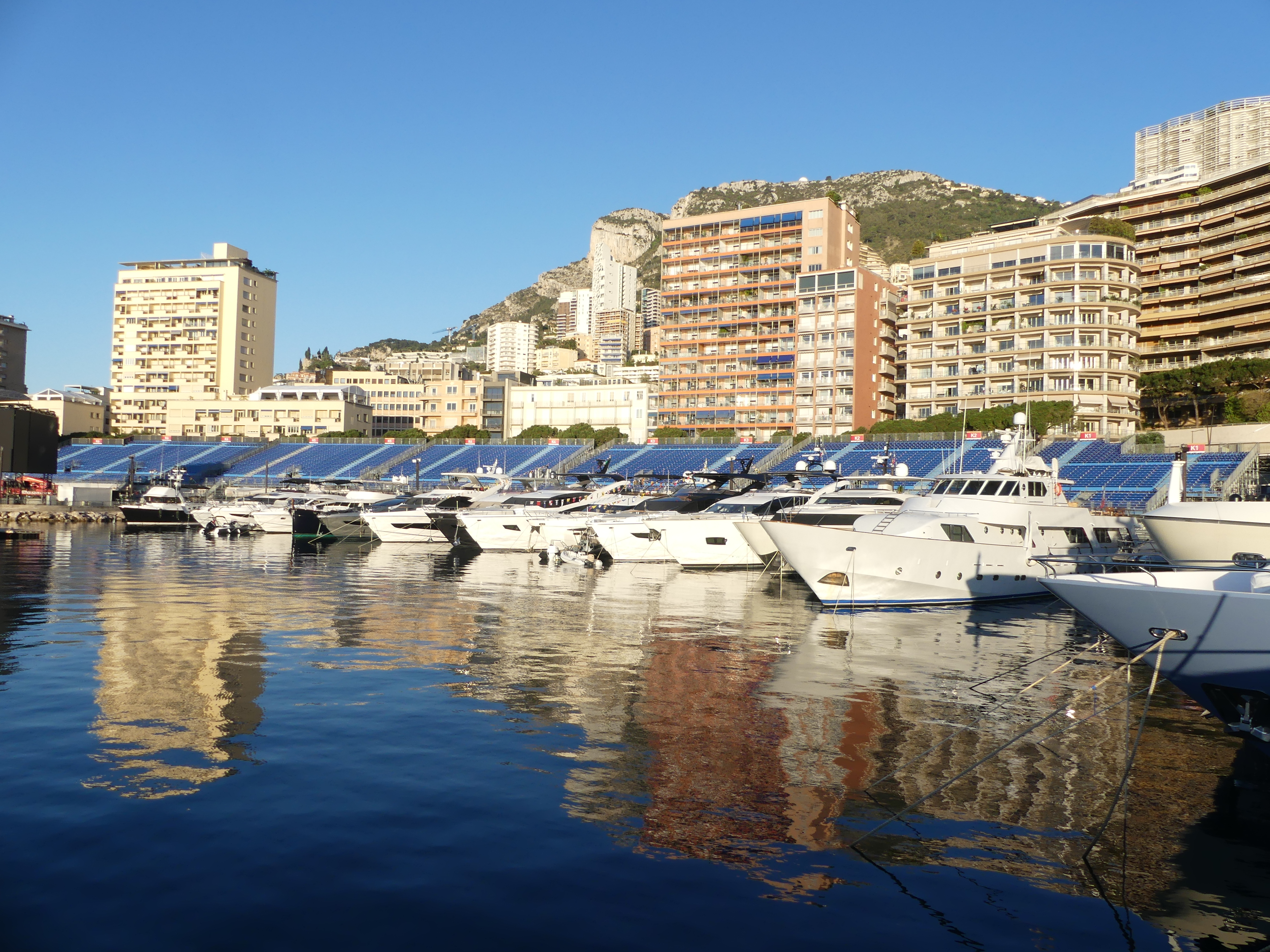
Even if we are only watching the Monaco Formula 1 race via the TV, it will never be as it was before as it will bring back the memories of being there and knowing all the sights and sounds of this exceptional city. Please take a moment to check out Incentive Concept’s web site and just try to resist the opportunities they offer! https://incentiveconcept.com/about-us/


 JIM'S GARAGE
Leave a reply to ehambright Cancel reply